The Story
Why it exists.
The beginning
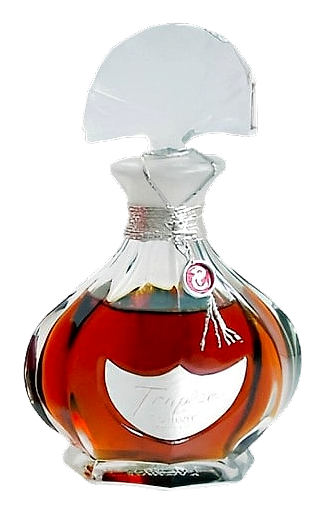
Trapeze arrived in 1956, stepping into a perfumery scene where mid-century florals carried real weight on postwar dressing tables. The composition is built around a white floral heart, the kind that can dominate a room if you let it, and the perfumer behind it understood exactly how to keep that tension in check. The name is doing real work here: suspension, the body held aloft by its own nerve. She was after a fragrance that moved with the discipline of a trapeze artist, precise in the dangerous parts, never showing effort. There's a quality of held breath in the way the notes are arranged, an almost architectural restraint that makes the eventual bloom feel earned rather than announced.
What gives Trapeze its particular pull is the lactonic warmth running underneath the white florals, the way gardenia and ylang-ylang refuse to behave like a tidy bouquet. The heart is loaded with materials that read like skin under warm light, fleshy and alive, each one pushing against the others in a way that keeps the composition from collapsing into anything simple. Orris root anchors everything, a powdery iris derivative that brings something almost mineral to the base, cooling the sweetness without killing it.
The evolution
The first ten minutes are a bright shock of aldehydes, almost metallic, shot through with the green herbal snap of clary sage. It reads like cologne for the first few minutes, something crisp and off-hand. Then the clary fades and gardenia takes over, heavy and waxy, layered against ylang-ylang's banana-skin sweetness and the fizzy indolic hum of orange blossom. This is the mid-swing of the act, where the danger is real and the audience knows it. The drydown is where everything settles into orris and sandalwood, the powder cooling into something suede-like, with white musk ghosting along the skin like a net you can't quite see. The transition from the bright aldehyde burst to the lactonic heart happens gradually, almost imperceptibly, the way a trapeze artist shifts weight mid-air without appearing to move at all.
Cultural impact
Trapeze wears as a study in mid-century confidence, the floral that asks for a room without demanding one. There's a structural elegance to the composition that sets it apart, the way the aldehydes at the top give way to the lactonic warmth of gardenia and ylang-ylang, then settle into the powdery depth of orris and the creamy warmth of sandalwood. It's a fragrance that holds its shape across hours of wear, the kind of structure that makes it feel considered rather than improvised. The white floral heart carries enough weight to anchor the whole composition, while the aldehydes keep it from ever feeling too heavy or too sweet.
The House
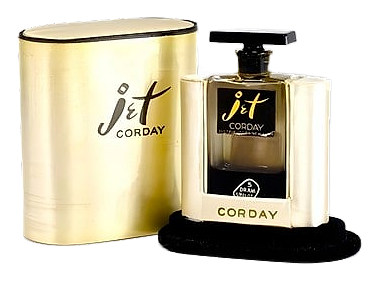
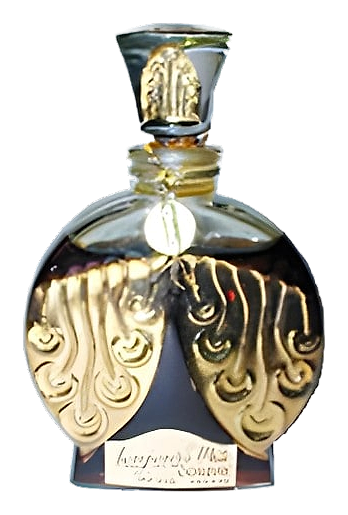
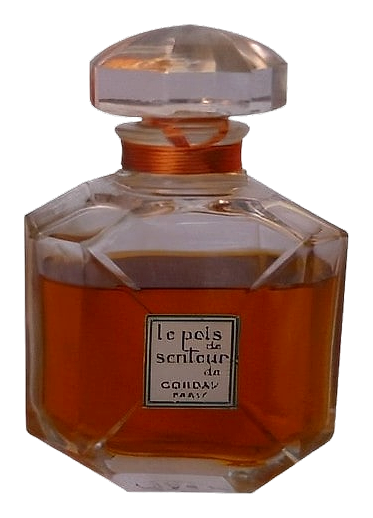
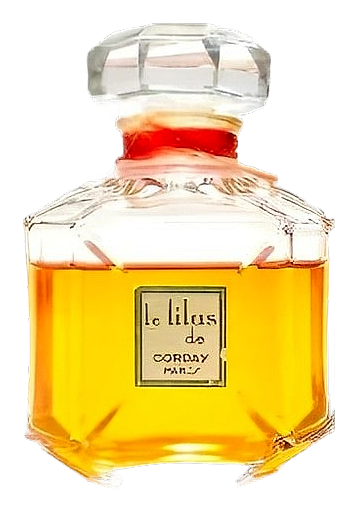
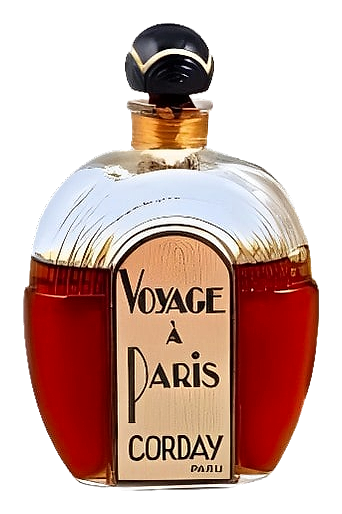
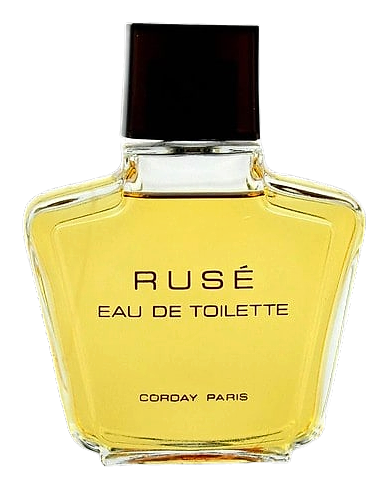
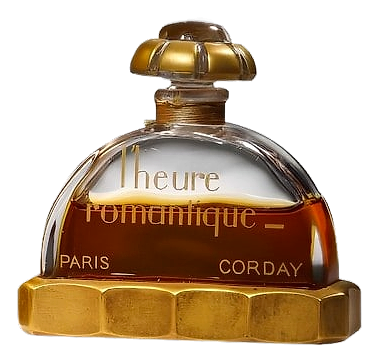
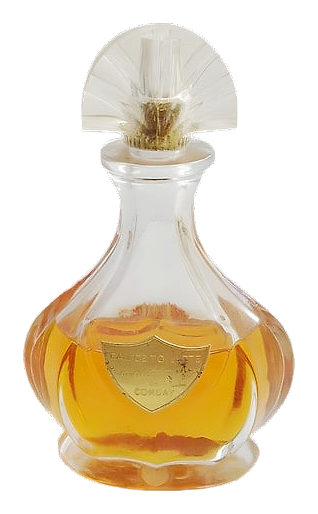
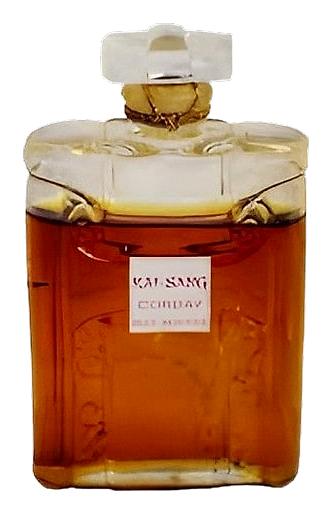
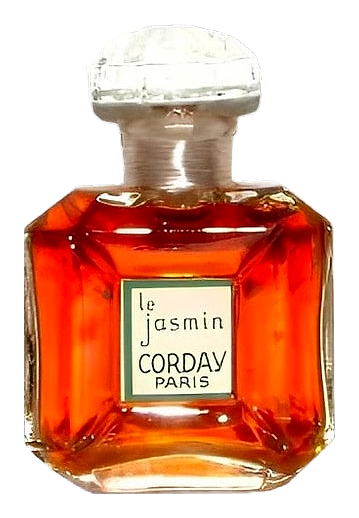
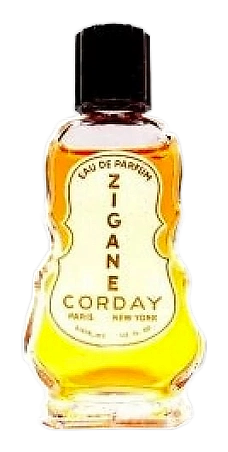
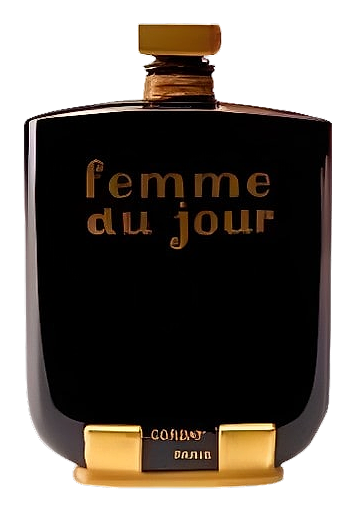
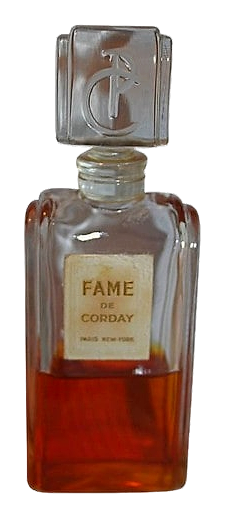
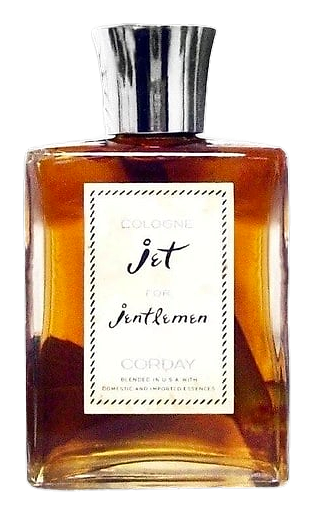
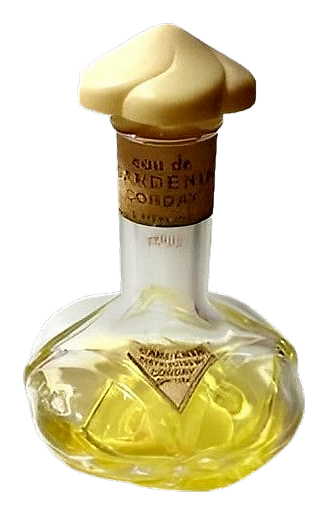
CordayCorday is a Paris‑born perfume house that emerged in the roaring twenties and kept a quiet presence through the mid‑century golden age of French fragrance. Founded by the entrepreneurial Blanche Arvoy, the label introduced a string of scents that still appear in vintage collections and specialty boutiques. Corday’s portfolio reads like a timeline of interwar and post‑war taste, from the bright citrus of Toujours Moi (1924) to the warm amber of Rusé (1966). The brand’s understated elegance and commitment to classic French perfumery make it a subtle point of reference for collectors who value history as much as aroma.
The Creator
Blanche ArvoyArvoy worked in a bold, theatrical register shaped by her background in design and the performing arts. She favored strong florals, rich animalic notes, and deep oriental bases that projected across a crowded salon.