The Story
Why it exists.
The beginning
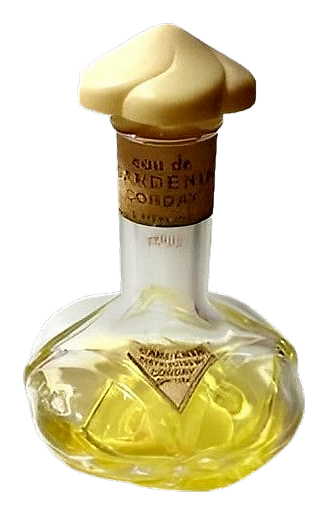
Gardenia de Corday came out of Paris in 1931, a period when Blanche Arvoy's house was building its catalogue one focused composition at a time. Corday had launched in 1924 under Blanche Arvoy, who took the house name from Charlotte Corday. By the early 1930s the mood shifted, and the house turned toward something softer, more single-minded. Gardenia de Corday is exactly what its name promises: a gardenia, and not much else. No clever layering, no ornamental opening to soften the blow. The note is the argument. Launching a perfume this direct in 1931 was a quiet kind of stubbornness. It said: one flower, taken seriously.
What makes this composition unusual isn't an exotic ingredient or a rare technique. It's the restraint. Gardenia absolute is one of the hardest materials in perfumery to keep stable, with a tendency to collapse into something soapy or sour if it isn't handled carefully. Corday let it stand alone, leaning into the flower's natural tension between creamy sweetness and a faintly green, almost animalic edge. That lactonic-and-green duality is the whole architecture. The accord is whatever gardenia smells like when nothing else is allowed to talk over it.
The evolution
The opening arrives almost fully formed. There's no bright citrus to announce itself, no aldehyde lift. Just the gardenia, already cream-heavy and dense, with a faint green sharpness around the edges that keeps it from going soft. The first stretch reads as one continuous note, warm and a little waxy, the way fresh gardenia petals feel between your fingers. The heart doesn't introduce new material so much as it lets the lactonic quality deepen. The sweetness rounds out, picks up a hint of something almost like coconut or warm milk, and the green note recedes without disappearing. There's a faint animalic undertow here, the kind of warmth that reads less as musk and more as skin. As the wear progresses, the composition quiets. The floral loses its initial brightness and settles into something closer to a tinted moisturizer, gardenia reduced to its softest impression.
Cultural impact
Gardenia de Corday is a vintage floral that refused to dilute its lead note. Rather than layering gardenia under citrus, spice, or green leaves, this one let the flower carry the entire structure. That kind of focus is easy to undervalue in an era that liked complexity, and it's part of why the scent still rewards the patient nose today. It's a document of what gardenia smells like when nobody else gets a speaking role. The composition has aged into something that reads as quietly radical now, a single-flower study that holds its shape decades later.
The House
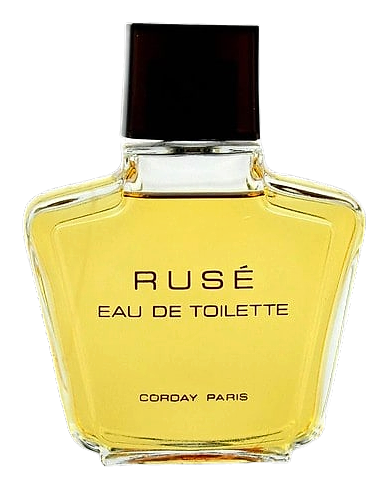
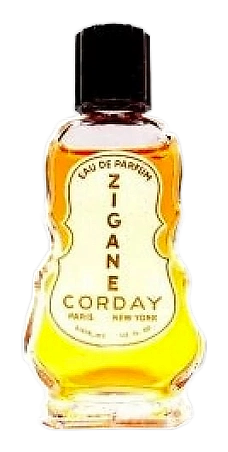
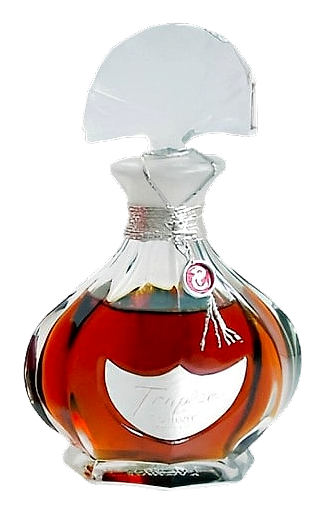
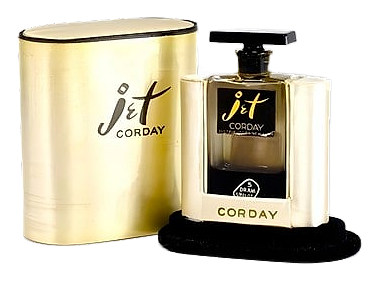
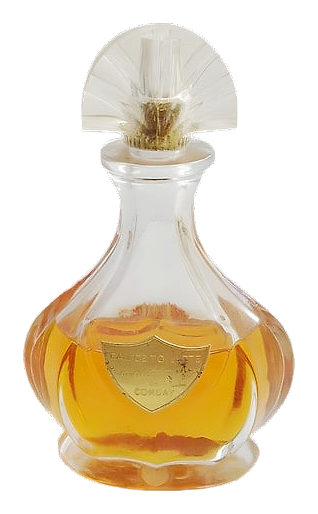
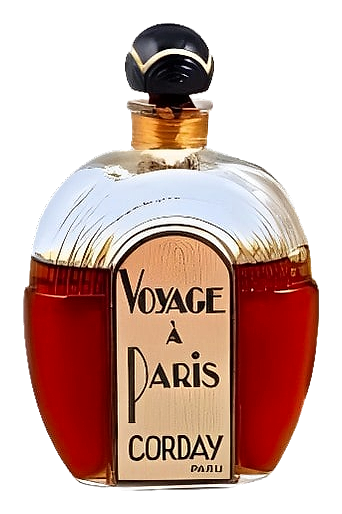
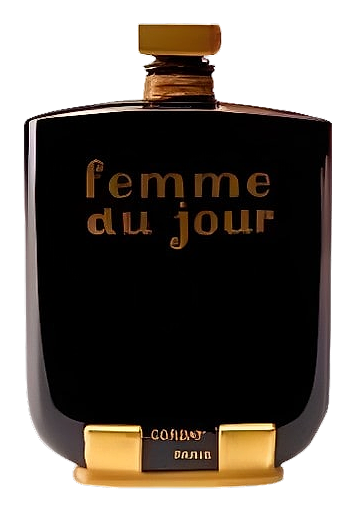
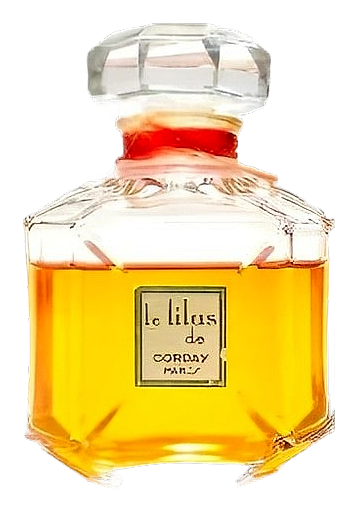
CordayCorday is a Paris‑born perfume house that emerged in the roaring twenties and kept a quiet presence through the mid‑century golden age of French fragrance. Founded by the entrepreneurial Blanche Arvoy, the label introduced a string of scents that still appear in vintage collections and specialty boutiques. Corday’s portfolio reads like a timeline of interwar and post‑war taste, from the bright citrus of Toujours Moi (1924) to the warm amber of Rusé (1966). The brand’s understated elegance and commitment to classic French perfumery make it a subtle point of reference for collectors who value history as much as aroma.
The Creator
Blanche ArvoyArvoy worked in a bold, theatrical register shaped by her background in design and the performing arts. She favored strong florals, rich animalic notes, and deep oriental bases that projected across a crowded salon.