The Story
Why it exists.
The beginning
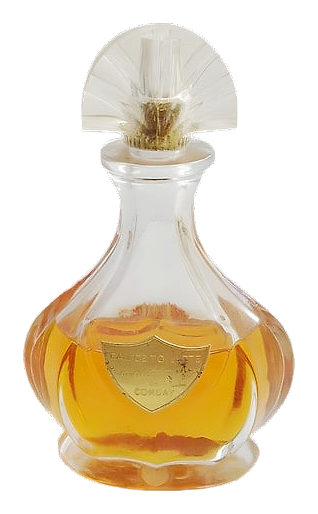
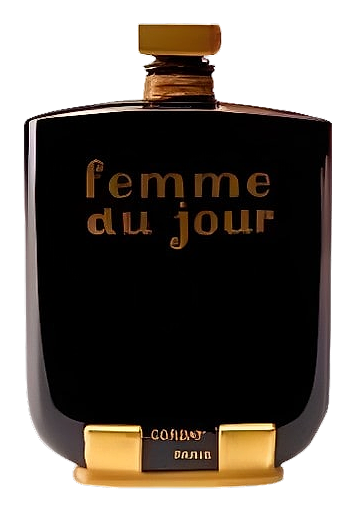
Femme du Jour arrived in 1926, carrying a name that translates simply as Woman of the Day. It was never meant as a compliment or a manifesto. It was an observation dressed as a title, the kind of quiet confidence that doesn't need to raise its voice to hold a room. The composition seems designed for a particular kind of presence: someone moving through her evening with certainty rather than announcement. There's a softness to how it announces itself, a powdery restraint that hints at warmth without forcing the door open. You catch it across a room the way you catch a glimpse of silk under lamplight, a flicker rather than a shout. It rewards the wearer who understands that allure doesn't require explanation.
What makes Femme du Jour worth knowing is its restraint. The opening behaves almost demurely, a soft haze that takes its time revealing what's underneath. Half an hour in, and you might wonder if the fragrance is even working. Then the warmth starts to surface, gradual and unhurried, the kind of slow reveal that rewards patience. It doesn't arrive with the brash confidence of spicier orientals. Instead, it opens like a room you've just walked into, warm from the light through the curtains, carrying the faint memory of something floral left on a chair.
The evolution
The first twenty minutes are nearly invisible, a soft veil that hovers just above the skin without demanding to be noticed. It feels less like a perfume in the traditional sense and more like a shift in atmosphere, the olfactory equivalent of a door opening onto a quiet morning. Don't mistake the quiet for absence. The heart begins to surface around the half-hour mark, and it's where the composition earns its reputation. A lush, rounded warmth blooms outward, a sweetness that reads as skin rather than perfume, something that feels lived-in rather than freshly applied. This is the phase other people will notice, the moment when someone across the table pauses mid-conversation. Two hours in, the base asserts itself properly, deeper and more resinous, carrying a soft animal warmth that grounds the whole composition.
Cultural impact
Femme du Jour occupies an unusual place among 1920s oriental florals, a composition that refused to perform the decade's louder tendencies. Where many of its contemporaries chased spectacle, this one built its reputation on texture, the kind of fragrance that belongs to a lifestyle rather than an occasion. Wearers describe it as a wardrobe scent rather than a statement piece, something you reach for because it suits the day rather than because the day demands drama.
The House
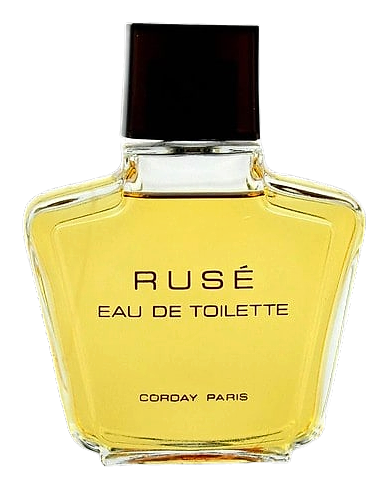
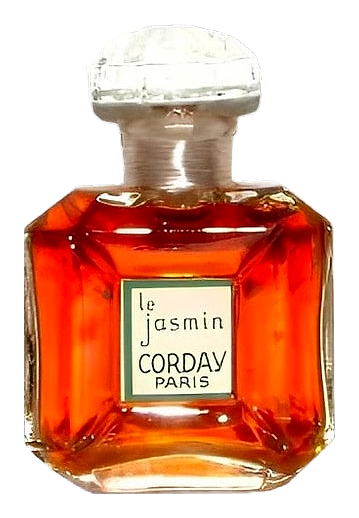
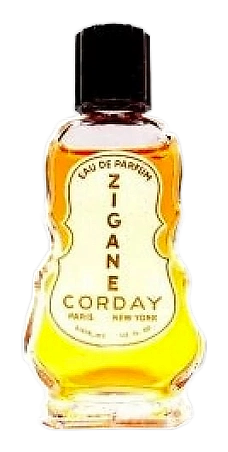
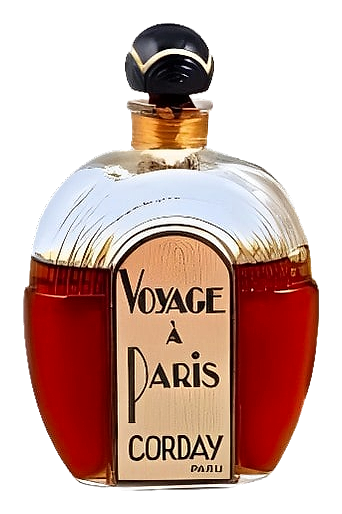
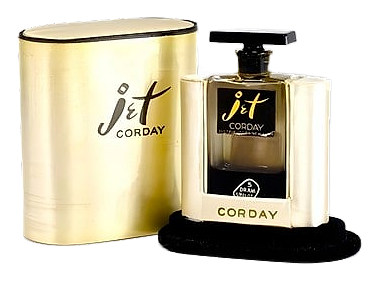
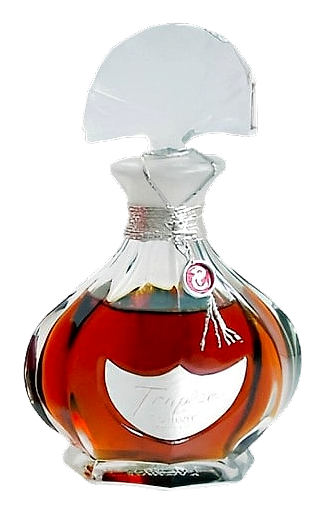
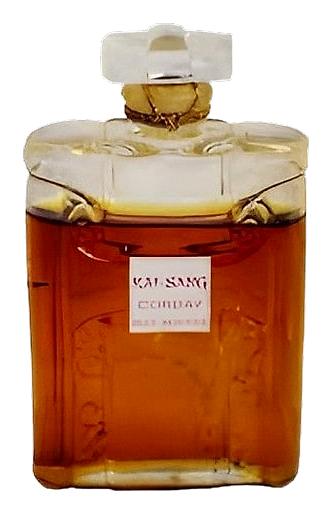
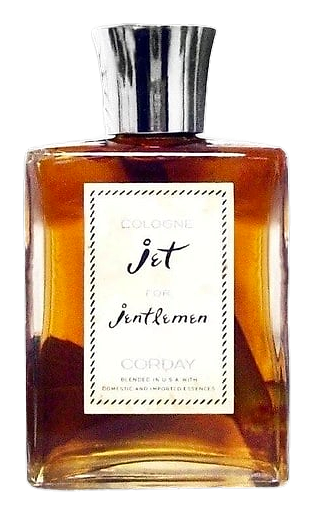
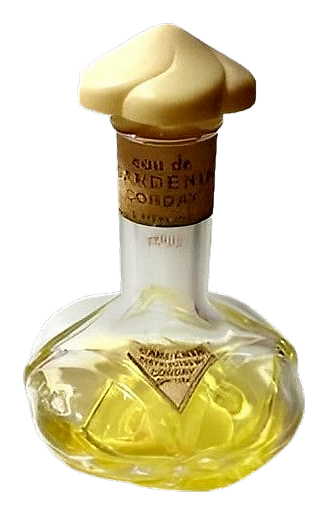
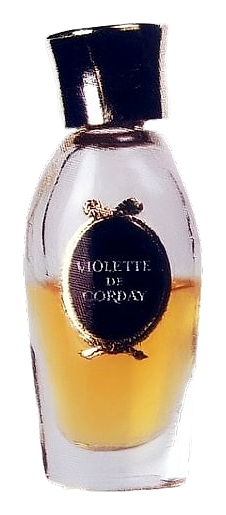
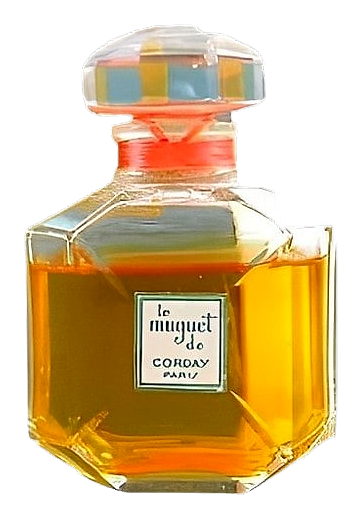
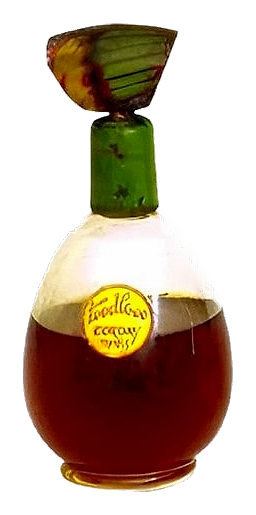
CordayCorday is a Paris‑born perfume house that emerged in the roaring twenties and kept a quiet presence through the mid‑century golden age of French fragrance. Founded by the entrepreneurial Blanche Arvoy, the label introduced a string of scents that still appear in vintage collections and specialty boutiques. Corday’s portfolio reads like a timeline of interwar and post‑war taste, from the bright citrus of Toujours Moi (1924) to the warm amber of Rusé (1966). The brand’s understated elegance and commitment to classic French perfumery make it a subtle point of reference for collectors who value history as much as aroma.
The Creator
Blanche ArvoyArvoy worked in a bold, theatrical register shaped by her background in design and the performing arts. She favored strong florals, rich animalic notes, and deep oriental bases that projected across a crowded salon.