The Story
Why it exists.
The beginning
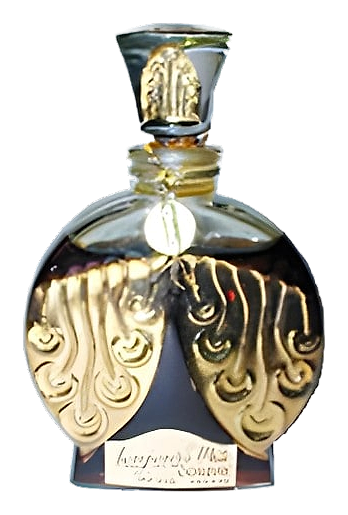
Blanchette arrived in 1924, a parfum brought to life by Blanche Arvoy, the same hands that had already given the world Jovoy. The scent carried its creator's own first name, a small vanity tucked inside a bottle of early French perfumery. Blanche Arvoy composed Blanchette, a feminine parfum in the F1f classification, a floral woody amber designed for the modern woman of the roaring twenties. The bottle was drawn by Georges Chevalier for Cristalleries de Baccarat, the glasswork bearing the sort of restraint that suited the era. She was never a loud debut. She was simply there, polished and present, waiting on a vanity. The juice itself carries a quiet confidence, as if the composition already knew the room before anyone opened the bottle.
A 1924 floral woody amber feminine parfum sits at a quiet crossroads of early French perfumery, where the old hand-craft of the previous century met the new industrial age. Blanche Arvoy composed Blanchette as a feminine parfum in the F1f classification, firmly inside the floral woody amber family, a category that allowed petals to lead while the warmer materials held the rest of the composition together.
The evolution
On skin, Blanchette begins with a bright lift, a clean entry that catches the air before softening into white florals. The first few minutes carry something almost sheer, like a voile curtain stirring in a draft, and the florals arrive with a softness that never tips into sweetness. As the composition warms against the body, the petals deepen, gaining a creamy weight, a touch of honeyed roundness that sits somewhere between fresh linen and the inside of a powder compact. The amber begins to show itself as the scent settles, warm and golden, pulling the florals down toward skin and giving them somewhere to rest. In the later hours, the white petals step back and what remains is that amber warmth, close and intimate, with a faint sweetness underneath. The drydown is powdery, almost talc-like in its gentleness, and it lasts well into the next day if applied to fabric.
Cultural impact
Blanchette holds her place among the feminine florals of the 1920s as a composition that rewards a second sniff. Wearers who find their way to vintage bottles tend to describe her in terms of composure, the scent of someone who already knows the room and doesn't need to fill it. The fragrance sits inside a wider story of French perfumery at the moment when the modern parfum was taking shape, when floral woody amber compositions were becoming a recognized family of their own. A century later, the juice still reads as composed, still carries that same unhurried confidence it had at its 1924 debut.
The House
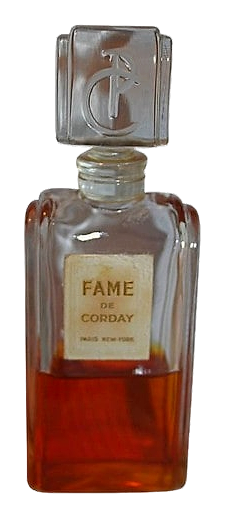
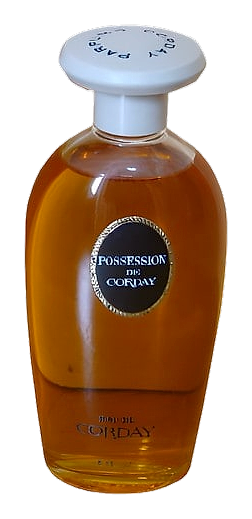
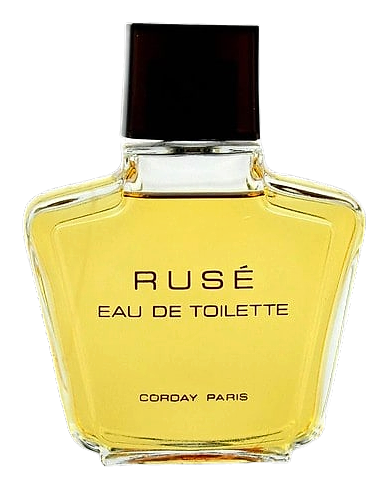
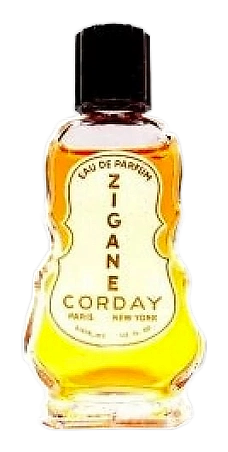
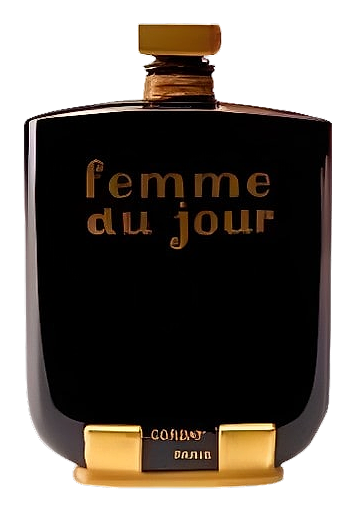
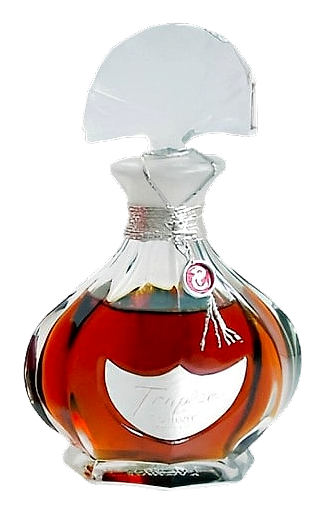
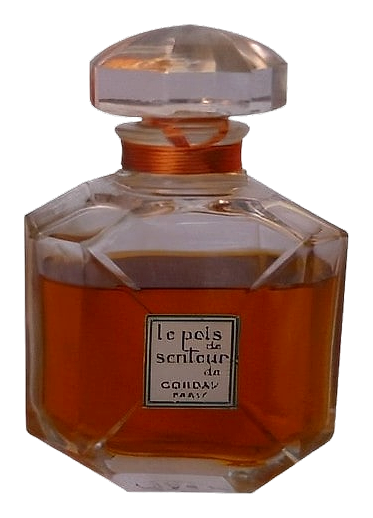
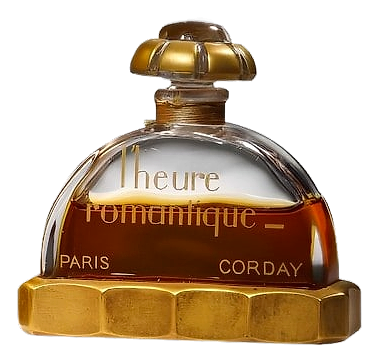
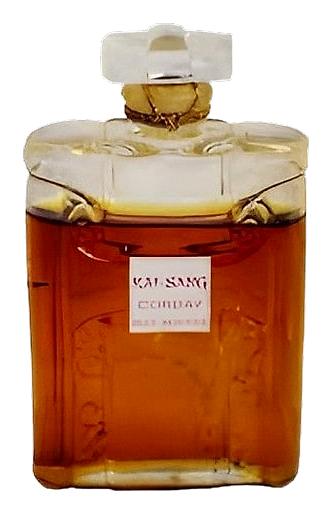
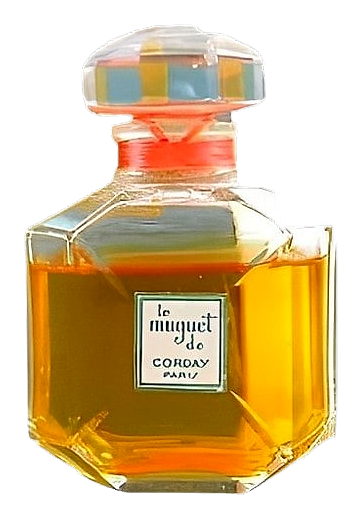
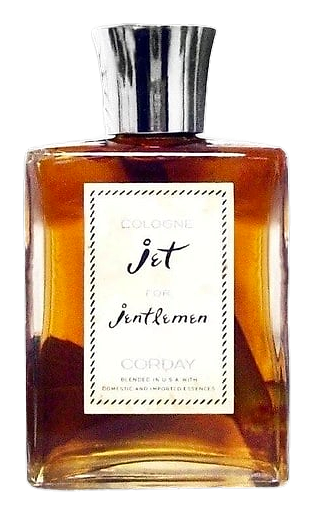
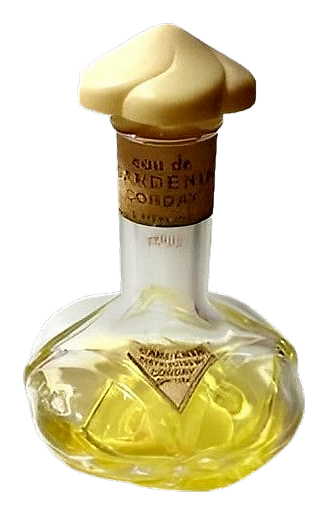
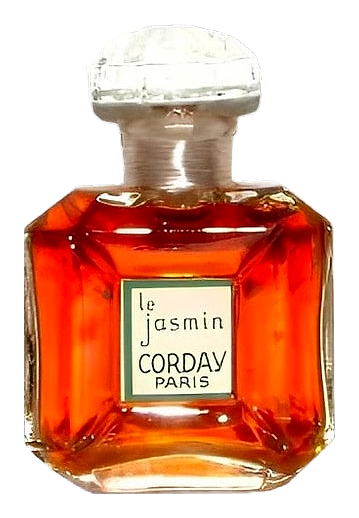
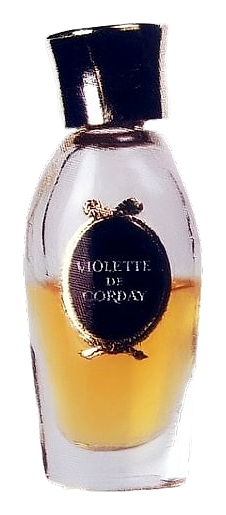
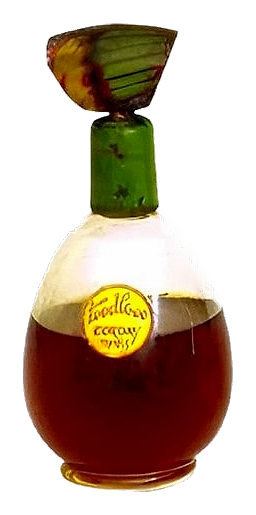
CordayCorday is a Paris‑born perfume house that emerged in the roaring twenties and kept a quiet presence through the mid‑century golden age of French fragrance. Founded by the entrepreneurial Blanche Arvoy, the label introduced a string of scents that still appear in vintage collections and specialty boutiques. Corday’s portfolio reads like a timeline of interwar and post‑war taste, from the bright citrus of Toujours Moi (1924) to the warm amber of Rusé (1966). The brand’s understated elegance and commitment to classic French perfumery make it a subtle point of reference for collectors who value history as much as aroma.
The Creator
Blanche ArvoyArvoy worked in a bold, theatrical register shaped by her background in design and the performing arts. She favored strong florals, rich animalic notes, and deep oriental bases that projected across a crowded salon.