The Story
Why it exists.
The beginning
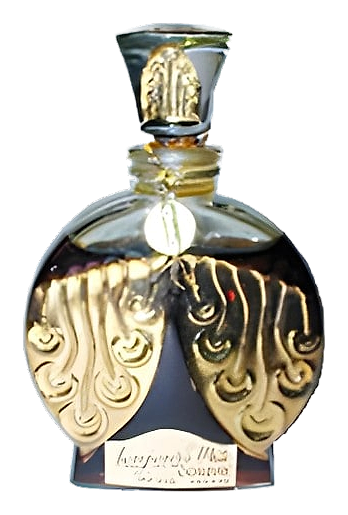
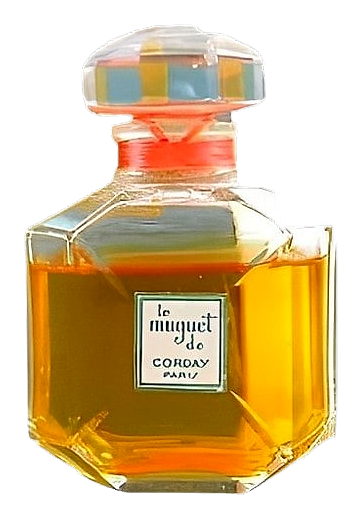
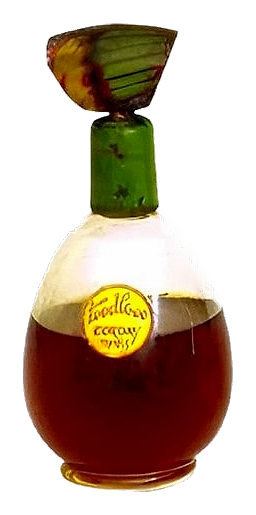
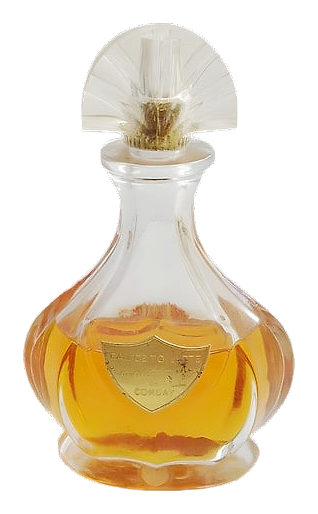
Orchidée Bleue arrived in 1925 from Blanche Arvoy, the same year Corday began building a catalogue that would span decades. Orchidée Bleue was among the earliest releases to establish the label's floral-citrus sensibility. The opening is brisk and luminous, citrus oils catching the air with a sharp clarity that feels almost edible. Bergamot and lemon read like sunlight on white linen, bright but never shrill, the kind of brightness that makes you lean in rather than pull back. As the top notes cool, a heart of rose and orchid takes over, powdery and cool, with a softness that cushions the citrus without dulling it. The orchid note gives the composition its name and its quiet exoticism, a creamy floral that hovers between floral and something more animalic, more lived-in.
What makes Orchidée Bleue worth noting is the economy of its structure. Four material categories: lemon, citruses, orchid, rose, carnation. That's it. No sandalwood base anchoring the drydown, no amber wrapping the heart. Most colognes of this era built complexity through layered bases. Carnation doing the base work is unusual. Carnation sits in the spicy-floral register, with a clove-like warmth that can read almost masculine in isolation. Using it as the foundation instead of a traditional woody or musky note gives Orchidée Bleue its dry, slightly peppered finish.
The evolution
The first ten minutes belong entirely to the lemon. Sharp, clean, almost bracing on skin, with a citric sweetness that doesn't try to be anything other than what it is. There's a brightness here that reads more 1920s cologne tradition than modern citrus compositions. Less juice, more peel. Around the fifteen-minute mark, the rose arrives, and the orchid follows it. The transition isn't gradual. It's a clean handoff, as if the citrus steps aside and the florals take the floor in a single gesture. The rose is restrained, not jammy or indolic. It smells like a fresh bloom held at arm's length, with the orchid adding a soft, almost waxy undertone that rounds the edges. By the second hour, the carnation begins to assert itself. This is where the composition reveals its quiet stubbornness. The florals don't fade. They shift register, warming into the clove-like spice of the carnation base. What started as a bright morning cologne settles into something drier, more peppered, faintly reminiscent of an old wardrobe drawer.
Cultural impact
Orchidée Bleue occupies a quiet corner of vintage French perfumery, the kind of composition that surfaces in collector circles rather than mainstream fragrance discourse. It rewards patience and a certain kind of attention, the willingness to sit with a small composition and let it unfold at its own pace. The cologne's appeal is its refusal to perform. There is no overt gesture, no grand statement, no moment where the fragrance announces itself across a dinner table. Instead it offers a contained, almost private pleasure, something that belongs to the wearer rather than the room. That restraint reads differently a century later.
The House
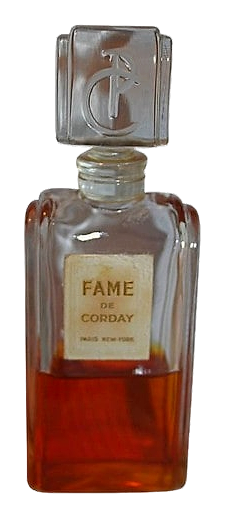
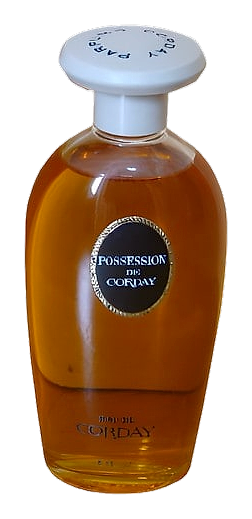
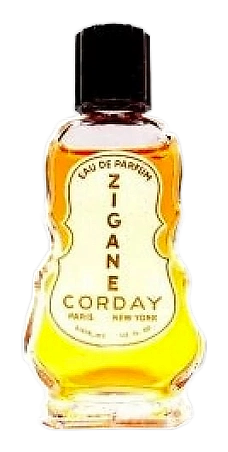
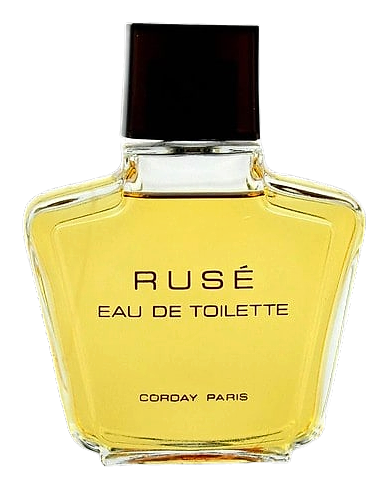
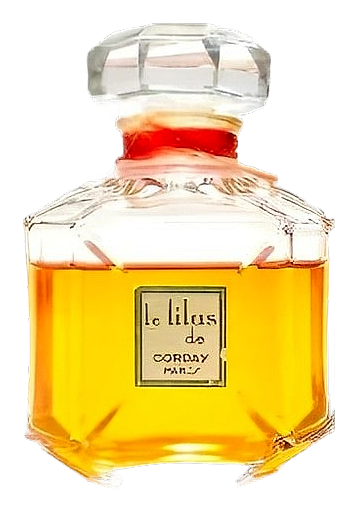
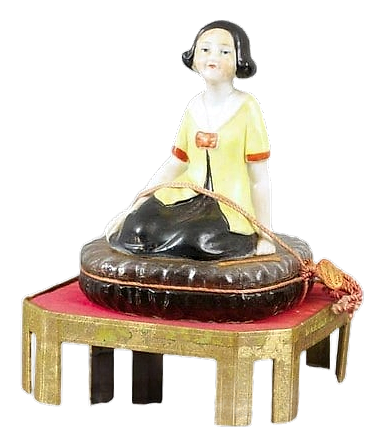
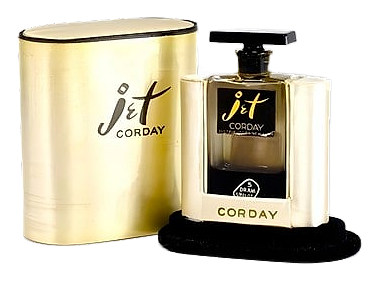
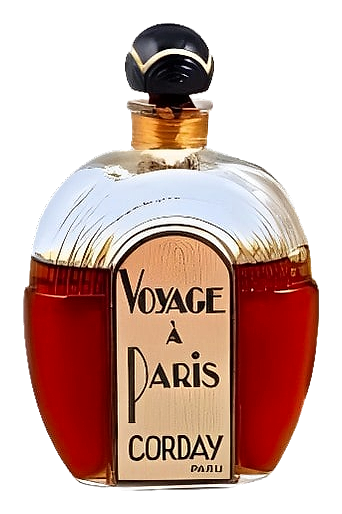
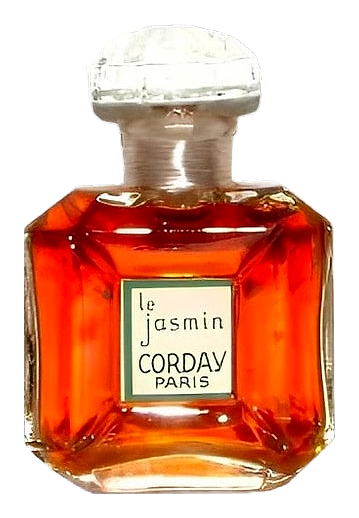
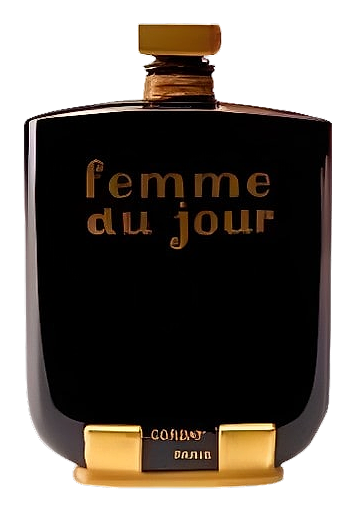
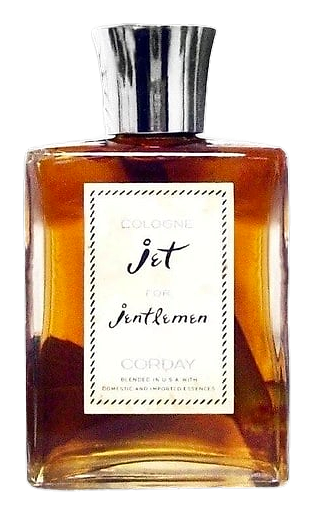
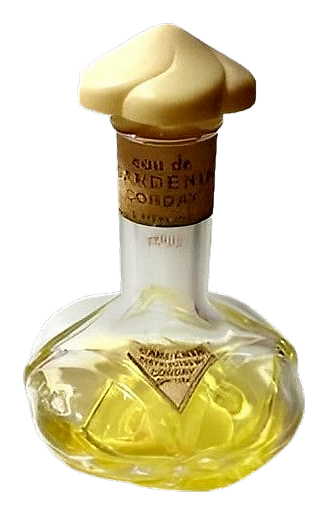
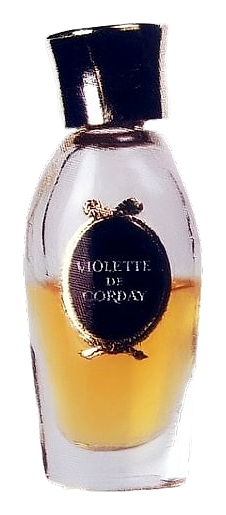
CordayCorday is a Paris‑born perfume house that emerged in the roaring twenties and kept a quiet presence through the mid‑century golden age of French fragrance. Founded by the entrepreneurial Blanche Arvoy, the label introduced a string of scents that still appear in vintage collections and specialty boutiques. Corday’s portfolio reads like a timeline of interwar and post‑war taste, from the bright citrus of Toujours Moi (1924) to the warm amber of Rusé (1966). The brand’s understated elegance and commitment to classic French perfumery make it a subtle point of reference for collectors who value history as much as aroma.
The Creator
Blanche ArvoyArvoy worked in a bold, theatrical register shaped by her background in design and the performing arts. She favored strong florals, rich animalic notes, and deep oriental bases that projected across a crowded salon.