The Story
Why it exists.
The beginning
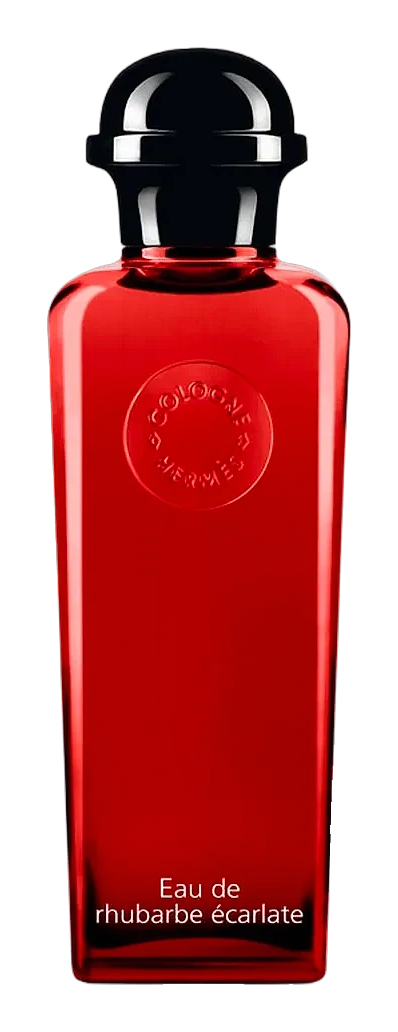
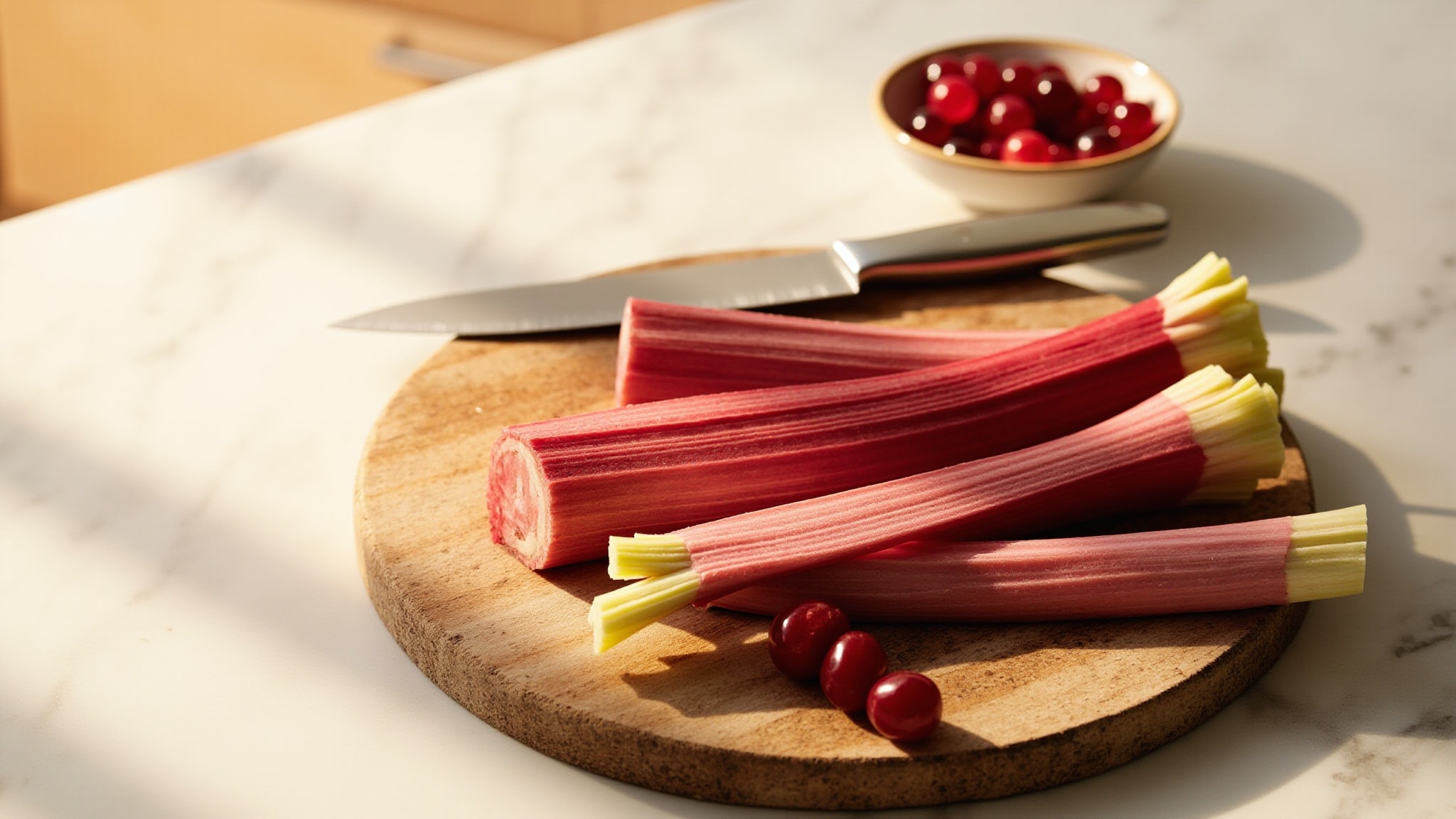
Christine Nagel has spoken about Hermès as a house that gives its perfumers room to breathe. No marketing brief. No focus group. Just a word, a feeling, or in this case, a vegetable. Rhubarb as a protagonist, not an accent, not a footnote. The 2016 release asked a simple question: what happens when you build a fragrance around the stalk instead of the sweet red stalks of jam? The answer lives in this bottle. A crisp, green, tart opening that announces itself without apology, held in place by a white musk that keeps everything honest.
Rhubarb has been circling perfumery's edges for years, an accent, a supporting note, something that adds a tart edge to sweeter compositions. Eau de Rhubarbe Ecarlate puts it in the center of the room. The red berries add a jammy softness that could tip the composition into dessert territory, but the lantana, aromatic, slightly herbal, almost weedy, keeps it grounded. White musk does what white musk does best: it softens without sweetening. The result is a fragrance that feels like biting into something crisp and knowing exactly what it is.
The evolution
The opening hits cold. Rhubarb's tartness arrives without preamble, vegetable-fresh and slightly astringent, like biting into a stalk pulled from the garden. There's green here, not a listed note, but present in the stalks' natural character. Within minutes, red berries arrive. Jammy. Sweet. They soften the rhubarb without replacing it. The lantana keeps things interesting, an herbal counterpoint that could read as basil-adjacent, keeping the composition from settling into straight fruit. By hour two, the white musk takes over. The tartness doesn't disappear, it softens, becomes something skin-like, warm, intimate. This is the part that earns repeat wear. The drydown is where this fragrance stops being about rhubarb and starts being about you.
Cultural impact
Spring and summer wear dominate community votes in warmer months, compared to cooler seasons. Daytime use similarly skews the data. This is a fragrance that performs best in daylight, when its crispness reads as refreshing rather than thin. Among Hermès releases, it occupies a particular niche: accessible enough for regular wear, unusual enough to start a conversation.