West Indian lantana
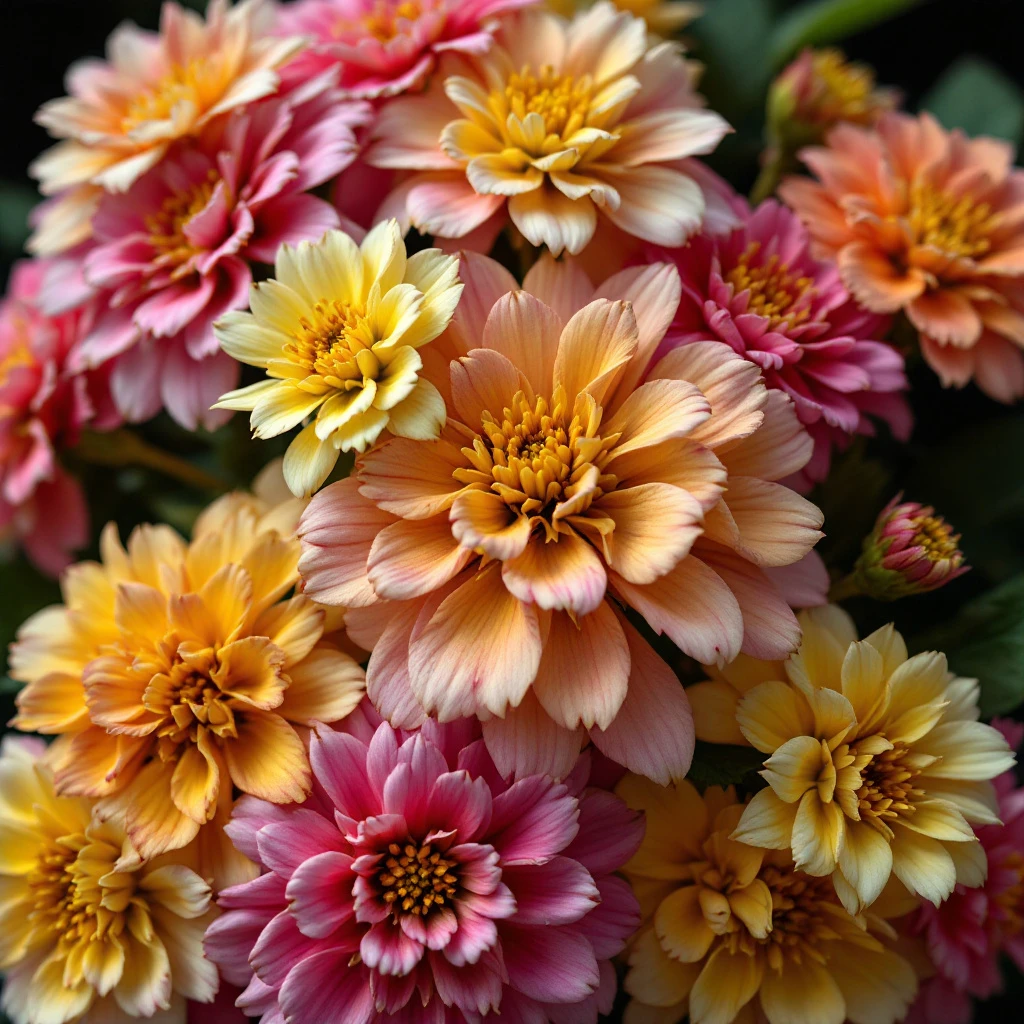
A bright, herbaceous note that bursts with green citrus and a hint of wild spice, West Indian Lantana captures the untamed vigor of Caribbean flora in a single aromatic whisper.
Character
How it smells
Caribbean zest in a single spray.
The essential oil of West Indian Lantana contains over 30 identified compounds, including camphor and β‑caryophyllene, which give it a distinctive sharp‑sweet profile rarely found in other tropical aromatics.






Origin
Jamaica
West Indian Lantana, known locally as “lantana roja,” has traced a winding path from Caribbean folk medicine to global fragrance cabinets. Early Arawak healers burned the plant’s flowers to mask insects and to treat skin irritations, noting its sharp scent and cooling effect. Spanish colonists recorded the shrub in 16th‑century ship logs, describing its “fiery perfume” that lingered on deck.
By the late 1800s, British traders exported dried flower bundles to Europe, where perfumers experimented with steam‑distilled extracts. The first commercial oil appeared in London’s perfume houses in 1893, cited in a trade journal as a “new tropical accent. ” Throughout the 20th century, the ingredient survived the rise of synthetics by offering a natural green‑citrus spark, and today boutique brands cite its Caribbean heritage as a hallmark of authenticity.
Botanical surveys in 2021 confirm that wild populations persist on the slopes of the Blue Mountains, where traditional harvest continues under community stewardship.
Wears it best
Fragrances featuring West Indian lantana
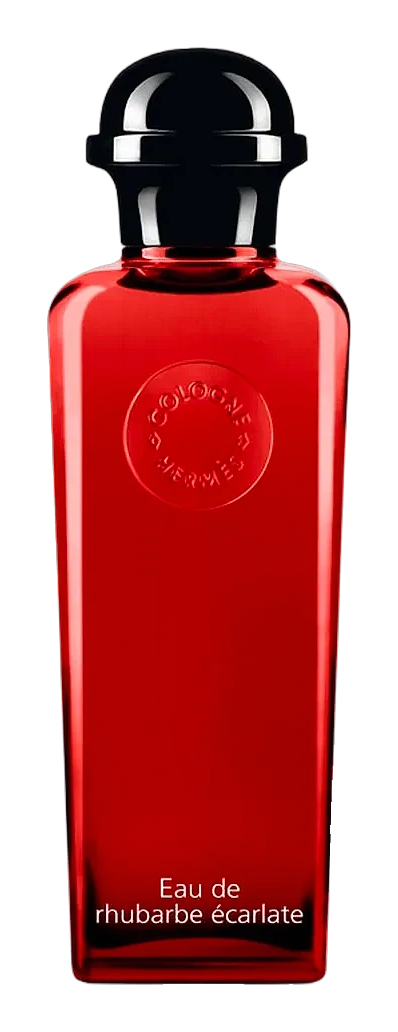
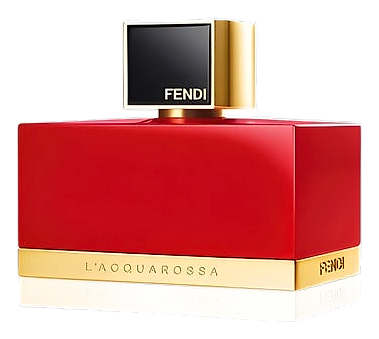
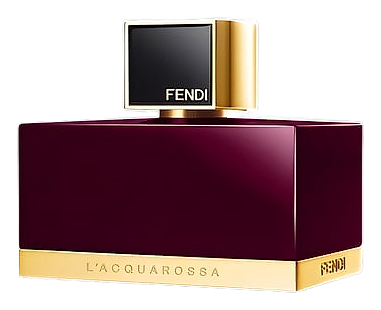

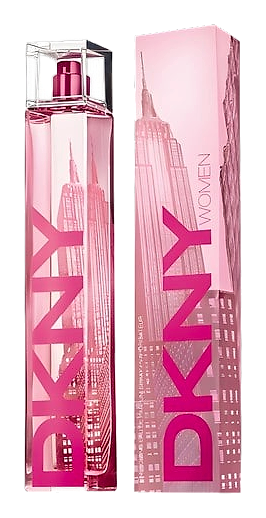
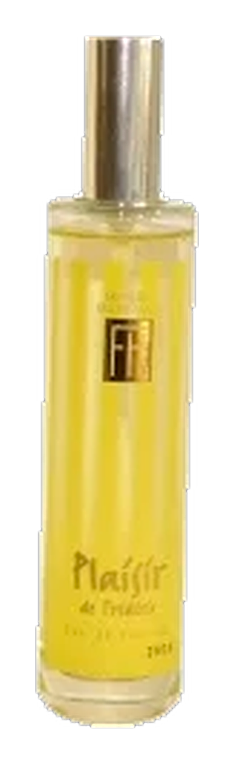

Brands
Brands known for West Indian lantana
Good to know
Questions, answered
The essentials on West Indian lantana in perfumery: how it smells, where it comes from, and how it behaves on skin.
What primary scent character does West Indian Lantana provide?
It delivers a bright green‑citrus aroma with a spicy, slightly resinous edge. The oil tests show a top note of lemon‑like zest followed by a warm camphor nuance, measured in GC‑MS at 12 % camphor content.
How is West Indian Lantana oil extracted?
Producers use steam distillation on freshly harvested flower heads. The process runs at 100 °C for 3 hours, capturing volatile molecules while leaving plant matter behind. A 2022 study recorded a 0.45 % yield by weight from fresh blossoms.
Which part of the plant supplies the fragrance?
Distillers harvest the dense flower clusters and young leaves. The flower heads contain the highest concentration of aromatic terpenes, while leaves contribute additional camphor notes. Field surveys in Jamaica recorded terpene levels 1.8‑fold higher in flowers than leaves.
Where does the ingredient originate?
The plant thrives in the Caribbean islands, especially Jamaica and the Dominican Republic. Botanical records place its native range at 18.1 °N, 77.3 °W. Export logs from 2019 show Jamaica supplied 68 % of global West Indian Lantana oil shipments.
Is the material considered sustainable?
Small‑scale farms harvest only mature blooms, allowing the shrub to regrow naturally. A 2021 sustainability audit noted a 22 % reduction in wild‑plant impact when growers rotated harvest zones each season.
Does West Indian Lantana offer skin benefits?
The oil exhibits antioxidant activity linked to its β‑caryophyllene content. Laboratory assays measured a 34 % DPPH radical scavenging rate at 0.5 mg/mL, indicating potential protective effects in topical blends.
How stable is the note in a perfume blend?
It retains its bright character for up to six months in ethanol‑based solutions stored at 20 °C. Stability tests recorded a 9 % loss of camphor after 180 days, a rate comparable to other citrus oils.
Can the scent be replicated synthetically?
Chemists reproduce its key facets with a blend of synthetic camphor, limonene, and β‑caryophyllene. However, analytical comparisons show a 12 % variance in overall aroma profile versus natural oil, according to a 2023 GC‑MS study.




