The Story
Why it exists.
The beginning
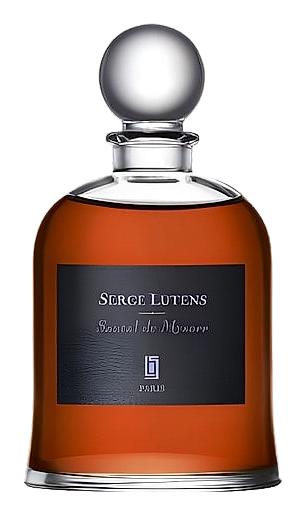
Santal de Mysore exists because Christopher Sheldrake built a fragrance around a single material: the legendary Mysore sandalwood. Lutens and Sheldrake have never approached fragrance as decoration, they work from emotion, from the specific, from the irreplaceable. The 1991 brief was simple: let the sandalwood speak. Everything else serves that purpose. The warm spices, caraway, the pod aromatics, frame the wood without drowning it. What emerged was a warm, emotive composition where the Mysore sandalwood glows like embers on skin. Today, with Indian sandalwood exports heavily restricted, that 1991 formulation carries historical weight: the house stocked up on real Mysore sandalwood just before the ban, and this fragrance was built to honor it.
The caraway is the tell. It opens the composition with a savory, almost culinary note that can catch people off guard, this is not a polite fragrance. But beneath that initial confrontation, the Mysore sandalwood is building. The benzoin adds a sweet balsamic warmth that softens the wood's richness without sweetening it into something generic. The styrax brings resinous depth, grounding everything. For those who love sandalwood, this is the reference point. The warm spice, the creamy texture, the way it holds for hours, everything in the composition serves one purpose: making the sandalwood unforgettable.
The evolution
The opening is deliberate. Spices that hit hard, caraway and cumin announcing themselves with intensity. This is not a fragrance that asks permission. But beneath that initial confrontation, warmth is building. The sandalwood arrives as the real statement, rich, creamy, buttery. Benzoin softens the edges with sweet balsamic warmth. Styrax adds resinous depth underneath. The drydown stretches for hours. Eventually, the sandalwood settles into something quiet and intimate, close to the skin, staying there into the next morning. On fabric, it lingers. On skin, it becomes the point.
Cultural impact
Santal de Mysore established itself as the reference point for sandalwood fragrances. The 1991 formulation reportedly uses real Mysore sandalwood that the house stocked up on just before export restrictions, making it historically significant. Among enthusiasts, this remains the gold standard against which other sandalwood perfumes are measured.