The Story
Why it exists.
The beginning
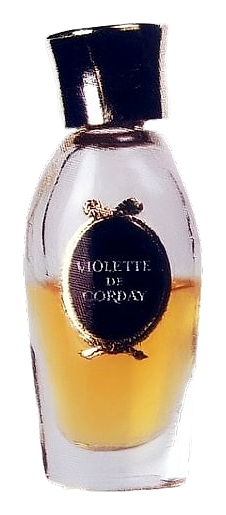
Violette de Corday arrived in 1931, during the early years of Blanche Arvoy's Corday house in Paris. The house was building its catalogue one quiet release at a time, and Violette de Corday sits squarely in that interwar period. The fragrance is built around one note: violet. Not violet dressed as aldehyde or wrapped in leather or pushed toward candy. Just the flower itself, the way a perfumer in 1931 would have understood it. The accords list reads violet, powdery, floral, fresh, woody, and the structure stays committed to a single-flower identity throughout. There's something quietly self-assured about that approach. A violet that refuses to be anything other than violet.
What makes Violette de Corday structurally interesting is the refusal to dilute the concept. The accords list reads violet, powdery, floral, fresh, woody. The violet sits at the center, supported by structure rather than competing for attention. That single-flower architecture gives the composition its clarity. The powdery accord wraps around the central floral rather than burying it, lending a soft cosmetic hush that reads as skin-adjacent. The fresh facet lifts the violet just enough to keep it from turning heavy or syrupy.
The evolution
The violet announces itself first, with a clean floral clarity that feels immediate and unforced. The powdery facet arrives quickly behind it, lending the composition a soft, almost cosmetic hush that softens the edges without obscuring the central note. For the opening stretch, the scent reads as a straightforward violet soliflore, clean, floral, and reserved. Then the woody accord surfaces. Not sharp or resinous, just a faint suggestion of dry wood, the kind of warm, papery undertone that grounds the powder and keeps the violet from floating away. As the composition develops, the violet softens further, the powder deepens, and the woody base takes on more weight. The transitions are gradual rather than dramatic, each phase folding neatly into the next. The scent stays close to the skin as it evolves, reading more like a personal trace than a projection.
Cultural impact
Violette de Corday occupies a specific place in early 20th-century French perfumery as one of the committed soliflores of the early 1930s. A single-flower violet composition reads as a deliberate artistic statement in any era, and especially so in a period known for ornate, layered constructions. The fragrance is appreciated today for what it represents: a perfumer who trusted one note to carry an entire composition without ornamentation or distraction. It's a reminder that the violet, handled with restraint, can hold its own against far busier structures.
The House
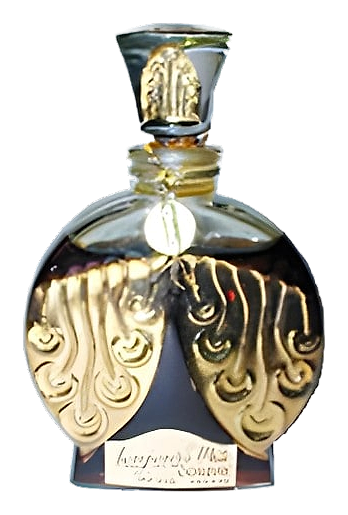
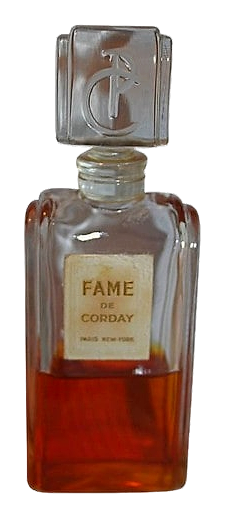
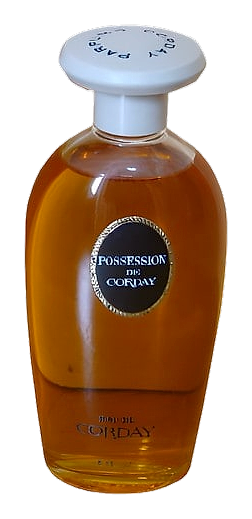
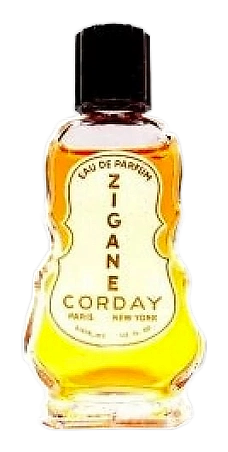
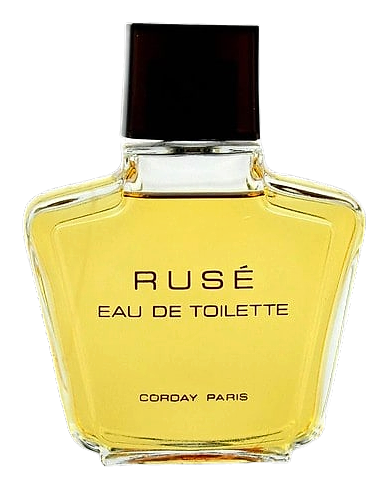
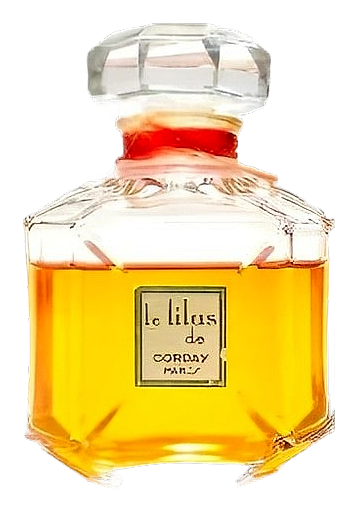
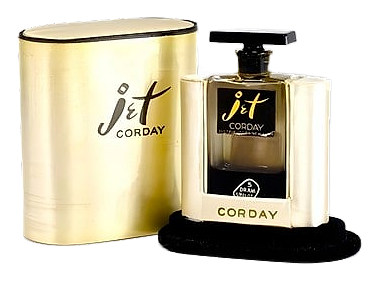
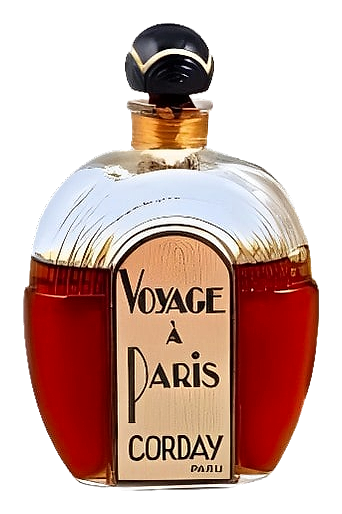
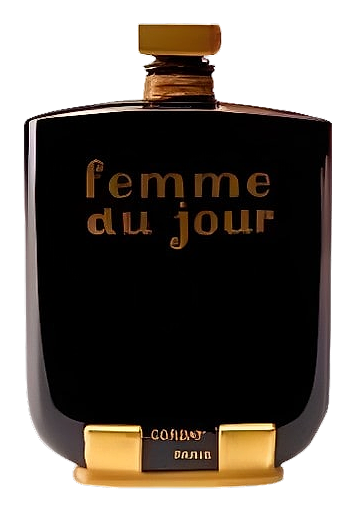
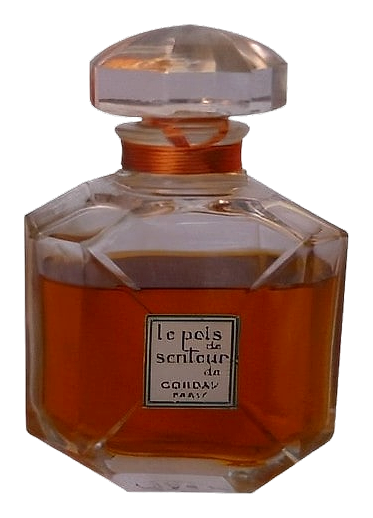
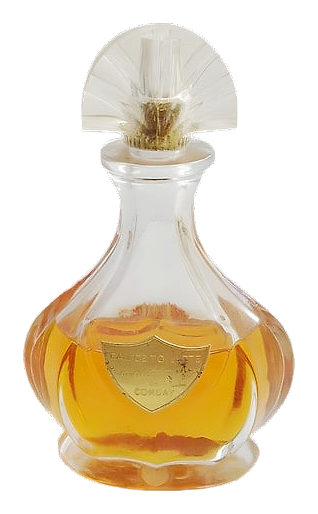
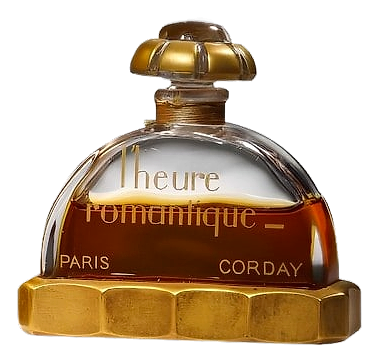
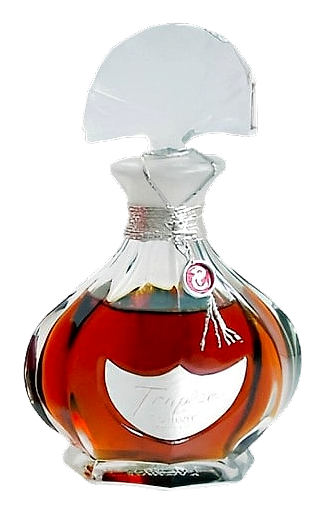
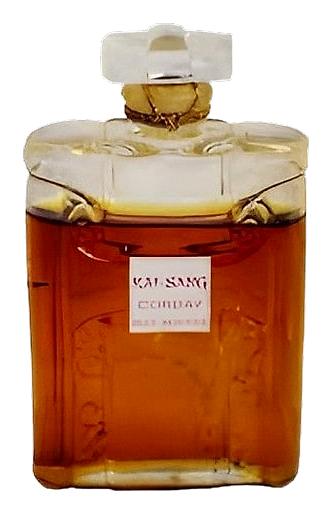
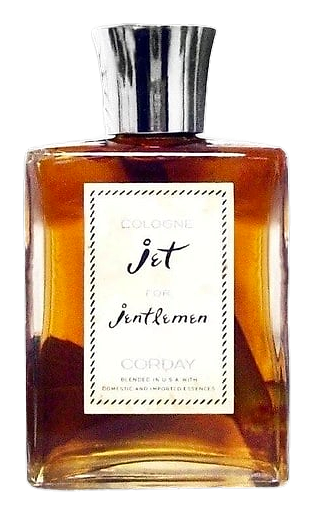
CordayCorday is a Paris‑born perfume house that emerged in the roaring twenties and kept a quiet presence through the mid‑century golden age of French fragrance. Founded by the entrepreneurial Blanche Arvoy, the label introduced a string of scents that still appear in vintage collections and specialty boutiques. Corday’s portfolio reads like a timeline of interwar and post‑war taste, from the bright citrus of Toujours Moi (1924) to the warm amber of Rusé (1966). The brand’s understated elegance and commitment to classic French perfumery make it a subtle point of reference for collectors who value history as much as aroma.
The Creator
Blanche ArvoyArvoy worked in a bold, theatrical register shaped by her background in design and the performing arts. She favored strong florals, rich animalic notes, and deep oriental bases that projected across a crowded salon.