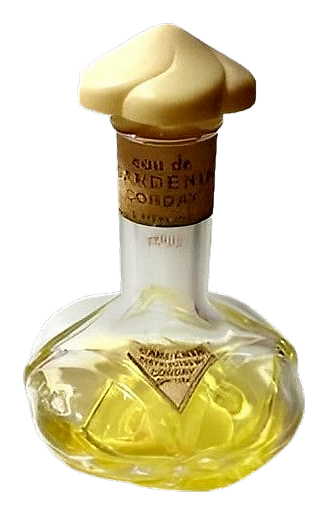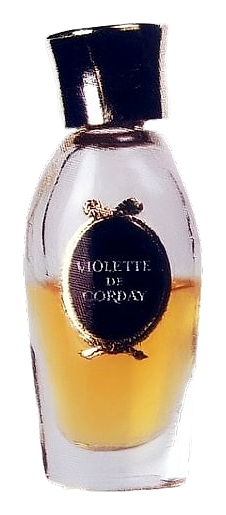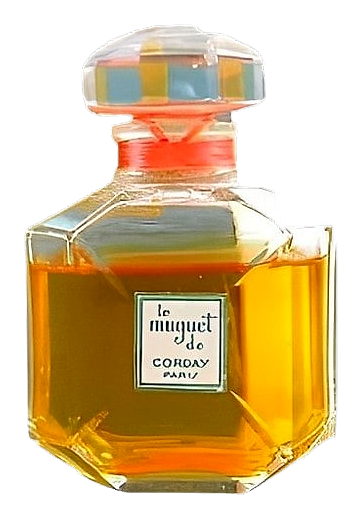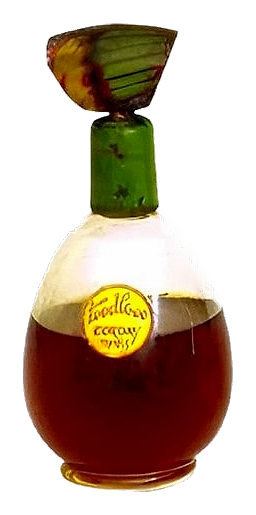

The Story
Why it exists.
The beginning
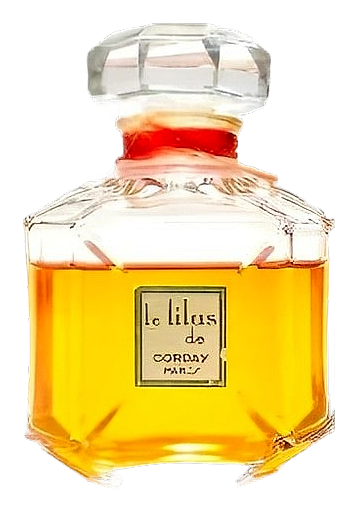
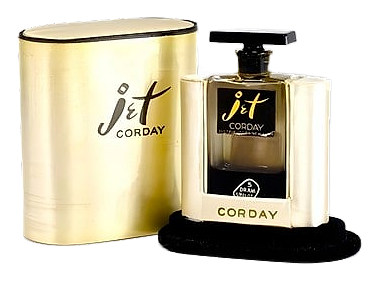
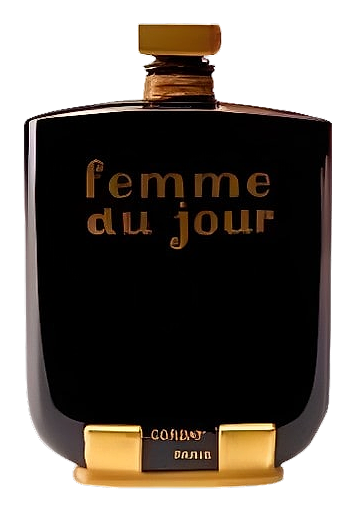
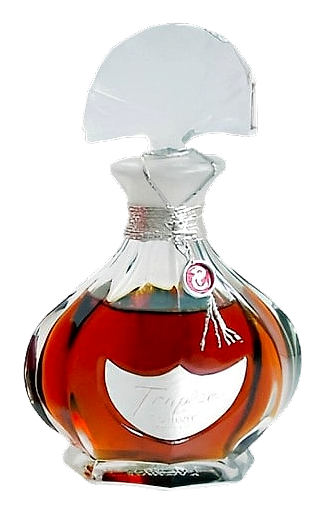
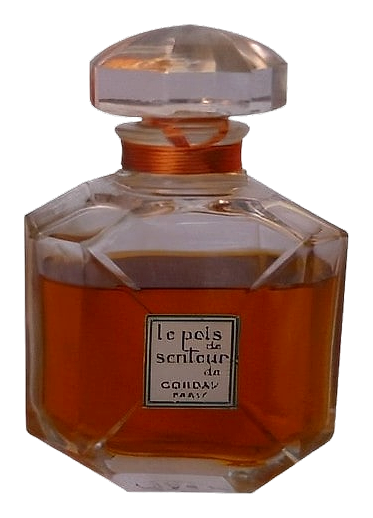
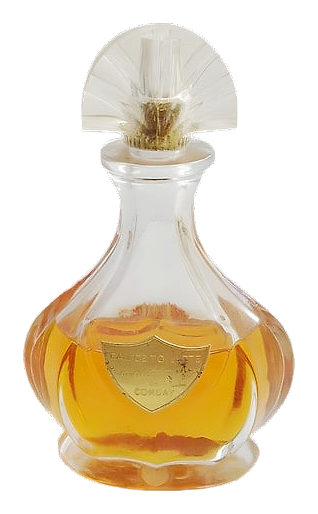
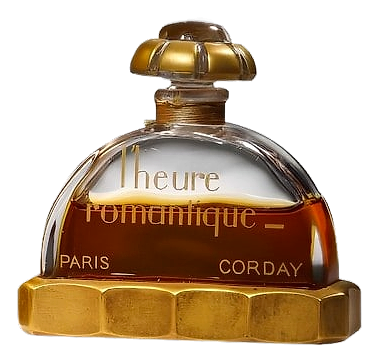
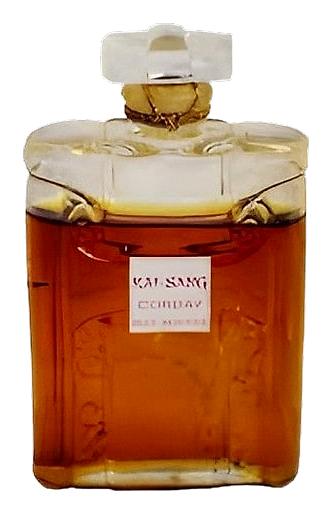
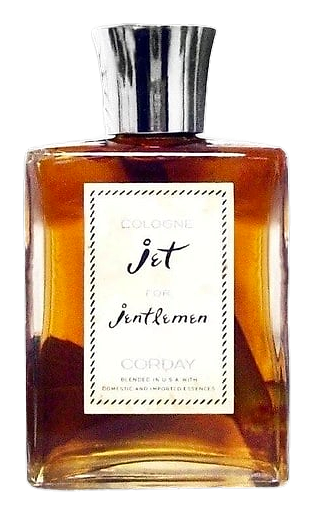
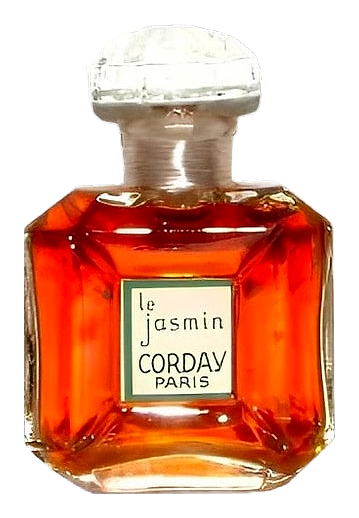
Le Jasmin arrived during the 1930s, a moment when French perfumery was turning toward a more restrained register after the louder, more declarative styles of the preceding decade. By the time this composition entered Corday's catalog, the house had already established itself with fragrances like Toujours Moi and Jet, two releases that had earned Corday a place in the conversation around French feminine perfumery. Le Jasmin arrived in a different key. Not a statement. An impression. A single idea, built around one of French perfumery's most precious materials, refined until only the essence remained. The juice inside the familiar teardrop bottle carries that philosophy into practice.
The composition does something specific and worth noting: it balances jasmine against a green, dewy Lily of the Valley note that keeps the whole thing from tipping into the narcotic territory where indolic florals often land. Lily of the Valley brings a cool, almost watery brightness, a muguet sweetness that reads more like filtered morning light than any heavy floral statement. The musk base, meanwhile, anchors the whole thing in a soft, skin-like intimacy that keeps the jasmine from floating away into pure abstraction. What emerges is jasmine as clarity rather than jasmine as seduction.
The evolution
The opening reads cool and green, almost more Lily of the Valley than jasmine. Lily's watery sweetness does the overture, a clean, almost vegetal freshness that settles onto the skin like morning air. Then jasmine arrives, but arrives gently, not as an indolic wall but as a soft white floral presence that rounds out the greenness. The two notes trade the lead, with muguet sparkling through the early phase before the jasmine deepens into its warmer, creamier register. As the composition develops, the greenness softens into something powdery and warm, the musk underneath beginning to show its hand. The drydown is where this fragrance becomes its truest self: a soft, slightly sweet, musky skin scent that lingers on fabric for hours after the skin has gone quiet. On a scarf the next morning, the trace is still there, still soft, still jasmine-shaped but faded to the color of old paper.
Cultural impact
Le Jasmin occupies a particular place in the catalog of vintage French florals, the kind of composition that rewards someone building a wardrobe of classical shapes. It wears like a taste reference point rather than a statement, a fragrance less concerned with declaring a trend than with demonstrating what a single material can do when treated with absolute care. The jasmine at its center is presented without the usual scaffolding of heavy orientals, animalic undertones, or competing florals jostling for position.