The Story
Why it exists.
The beginning
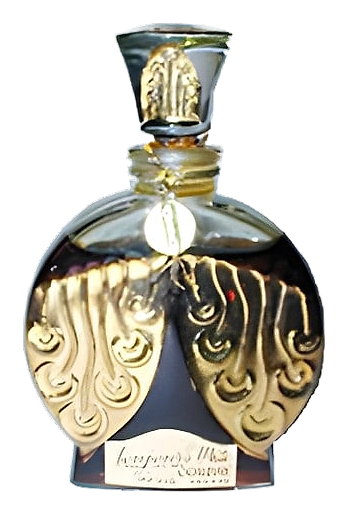
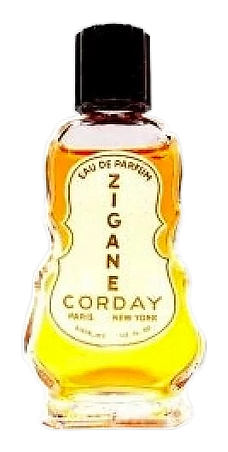
Corday, founded in Paris in 1924 by Blanche Arvoy, built its reputation on classic French perfumery with quiet confidence and understated elegance. Zigane arrived in 1937 as the house stepped beyond its earlier bright citrus creations into richer, more complex territory. Named after the French word for gypsy, the fragrance carries a spirit of freedom and character that was unusual for its era, reflecting both the romanticism and the restraint that defined high Parisian style at the time.
The choice of clary sage and lavender in the opening was not accidental. These two notes work together to create an herbal foundation that gives the subsequent florals something to stand against, preventing the heart from becoming saccharine. The inclusion of leather in the drydown signals a desire for texture over polish, grounding the florals in something earthy and real. Patchouli and oakmoss reinforce this philosophy, creating a base that feels rooted and substantial rather than delicate and fleeting.
The evolution
The opening combines clary sage and lavender with bergamot and orange blossom for a fresh yet slightly bitter aromatic quality that immediately sets Zigane apart from simpler florals. The heart builds around geranium and iris, with gardenia, carnation, and rose adding layers of floral richness that feel both romantic and structured. The drydown is where the fragrance earns its name, as clove and patchouli introduce warm spice that allows oakmoss and leather to take hold, creating a base that is earthy, woody, and quietly intense. This arc from clean aromatic opening through lush florals to a mossy, leathery finish feels deliberate and satisfying, like a story that knows where it is going.
Cultural impact
Zigane quickly became a reference point for vintage chypre lovers, its “fill your heart with music” slogan echoing the romanticism of 1930s Paris. Collectors prize the fragrance for its authentic blend of aromatic herbs and oriental spices, seeing it as a bridge between early‑twentieth‑century French craftsmanship and the emerging exotic trends of the pre‑war era.