The Story
Why it exists.
The beginning
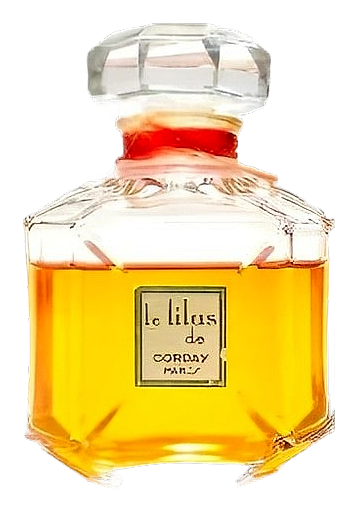
Le Lilas arrived in 1931 from the Corday house in Paris. By that point, the house had Toujours Moi in its catalog and was steering toward something softer: a floral that borrowed its name from lilac. Le Lilas means simply "the lilacs," and the fragrance treats the flower less as decoration and more as architecture. Blanche Arvoy composed it, and the structure she built rewards a certain kind of attention. Lilac opens the composition, but it's the supporting cast, violet, heliotrope, lily, that does the heavy lifting, shading the composition toward powder and restraint rather than overt sweetness. The top notes carry a clean, almost crystalline clarity that sets up everything that follows.
Heliotrope brings a soft, powdery sweetness that anchors the composition, violet folds in with a cool, shadowy depth, and the heart notes work together to keep the blend firmly in mid-tones rather than bright. The base is equally restrained: cedar for faint structural warmth, musk for a second-skin closeness. There is no smoke, no leather, no dramatic resin in the architecture. The result is a floral that feels complete and considered, each element placed with intention.
The evolution
The first thirty minutes belong to lilac, presented alongside lily and lily of the valley. The bouquet reads cold and bright. By the second hour, the powder notes take over. Heliotrope blooms into its softness, violet shadows the composition with something cool, and the entire heart settles into a powdery hush. The opening's freshness doesn't vanish so much as absorb into the powder, so the transition feels seamless rather than abrupt. By the three-hour mark, the cedar and musk have come forward, lending a quiet warmth that keeps the powder from going chalky. The heliotrope at this stage has lost its sharper edges and merged with the violet to create a unified powder cloud, while the lilac recedes to a memory of itself, still present but no longer the protagonist.
Cultural impact
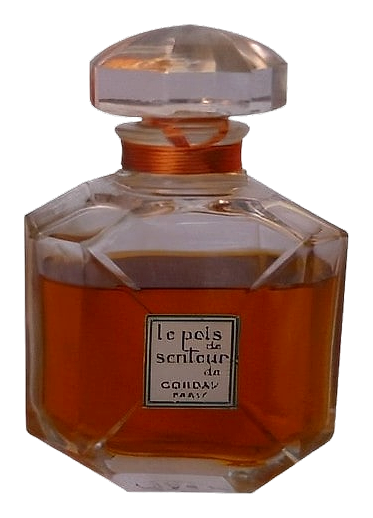
Le Lilas is a pre-war French floral whose production was apparently discontinued, which places it firmly in vintage territory today. Its presence alongside Corday's own Pois de Senteur and Chèvrefeuille in popular collector listings suggests it occupies a specific niche for those who know the catalog. The fragrance is primarily a vintage find rather than a current department store offering, and reaching for it means engaging with a piece of perfumery history rather than a contemporary launch.
The House
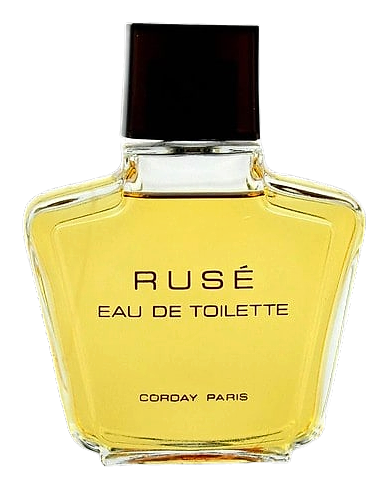
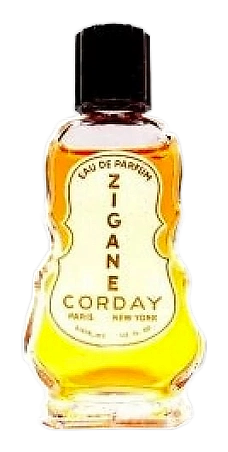
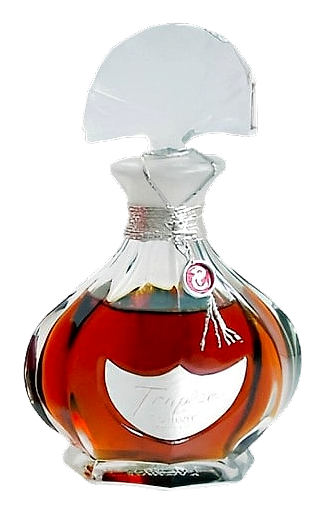
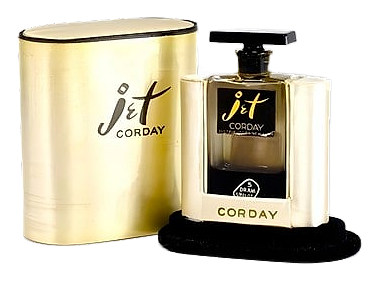
CordayCorday is a Paris‑born perfume house that emerged in the roaring twenties and kept a quiet presence through the mid‑century golden age of French fragrance. Founded by the entrepreneurial Blanche Arvoy, the label introduced a string of scents that still appear in vintage collections and specialty boutiques. Corday’s portfolio reads like a timeline of interwar and post‑war taste, from the bright citrus of Toujours Moi (1924) to the warm amber of Rusé (1966). The brand’s understated elegance and commitment to classic French perfumery make it a subtle point of reference for collectors who value history as much as aroma.
The Creator
Blanche ArvoyArvoy worked in a bold, theatrical register shaped by her background in design and the performing arts. She favored strong florals, rich animalic notes, and deep oriental bases that projected across a crowded salon.