The Story
Why it exists.
The beginning
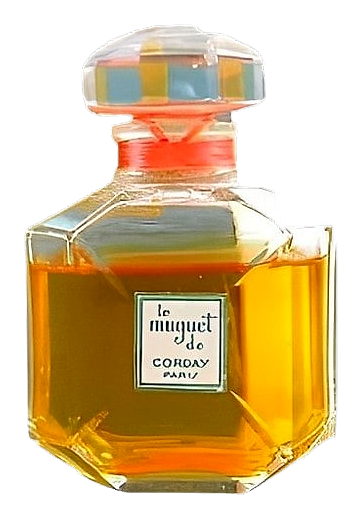
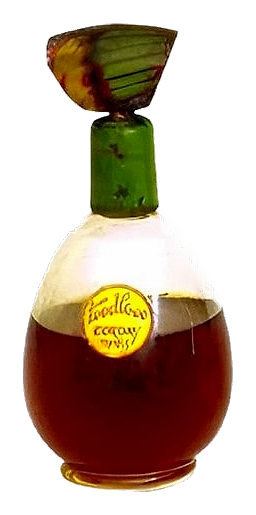
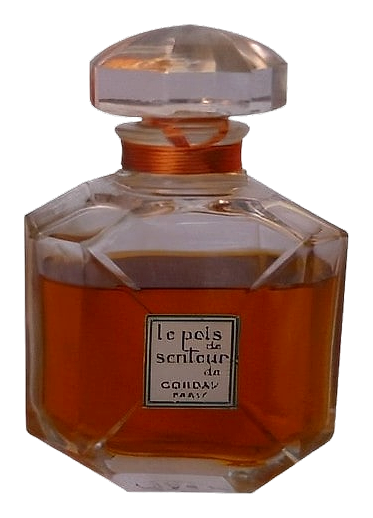
Pois de Senteur arrived in 1934, the work of the Parisian house Corday, founded by Blanche Arvoy a year after she established Jovoy in 1923. The name carries the archaic French sense of "sweet pea," though the scent itself tips toward fruit and blossom rather than green stem or leafy vine. Blanche Arvoy had built her reputation across compositions that drew from a personal, emotional vocabulary, and this one sits firmly in that lineage. It arrived as part of a body of work that would eventually number 54 known perfumes under the Corday name, each announced with the same quiet confidence that defined the boutique itself.
What's worth noting is the composition's restraint. The blend leans on a careful architecture of notes, where every element seems to be weighed against the next before being allowed to speak. Hay, with its warm, sun-dried sweetness, gives the heart a rounded, almost golden warmth, while coumarin underneath carries a faintly sweet, almond-like softness that keeps the composition from tipping too far in any direction. Together they perform a kind of quiet duet, each ingredient earning its presence through the way it converses with the others.
The evolution
The first few minutes belong to the top notes, bright and almost edible, the kind of opening that suggests fruit rather than flower. Within twenty minutes the warmer materials arrive, and the composition tilts rounder, the edges softening without losing definition. By the two-hour mark a powdery quality emerges, not the dry talc type but something softer, more like old paper and warm skin. The sillage pulls close after the first hour, settling into something more intimate and personal. On fabric the next day, the warmer base notes persist with a faint shadow of the brightness that opened it, leaving a trail of memory rather than projection. The composition eventually becomes a skin scent, though it lingers far longer on clothing than on the pulse points where it was first applied.
Cultural impact
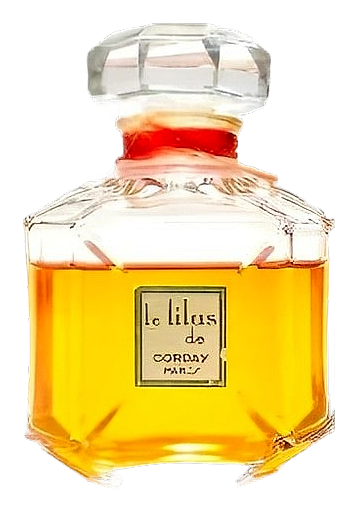
Pois de Senteur sits alongside other early Corday releases, including Le Lilas, as part of a body of work that marks an important moment in French perfumery's pre-war output. The fragrance is confirmed to have been discontinued, and its absence from the market has made surviving bottles objects of quiet pursuit for those who study the period. The composition, with its balance of fruit, hay, and coumarin, offers a glimpse into a style of perfumery that valued measured structure over sheer projection.
The House
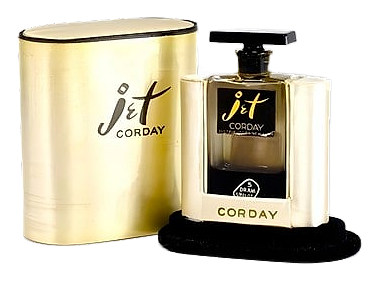
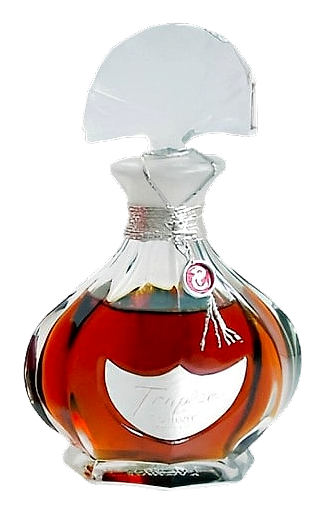
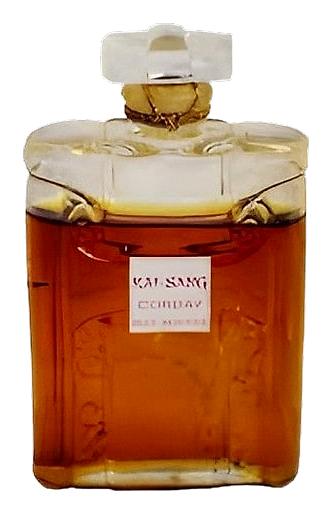
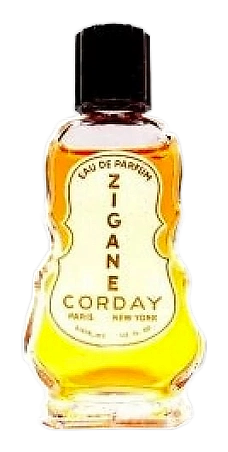
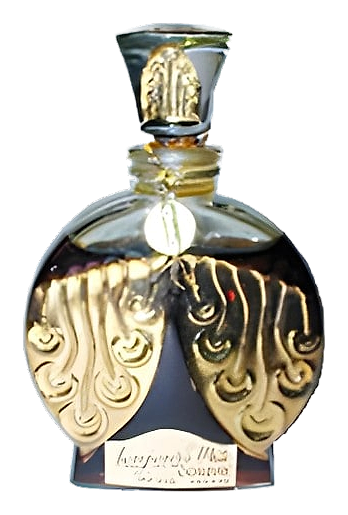
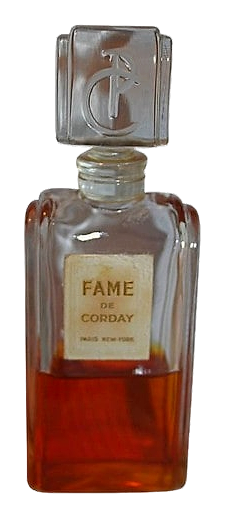
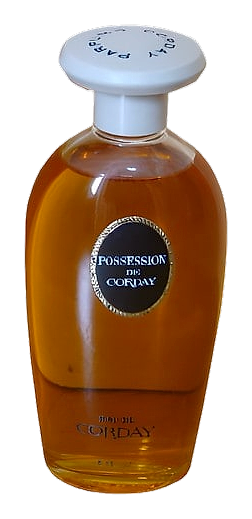
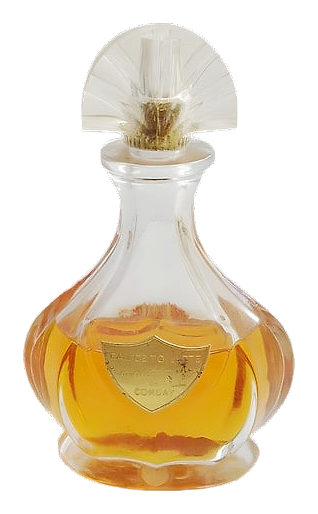
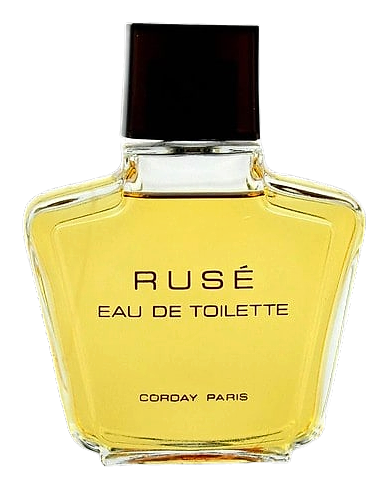
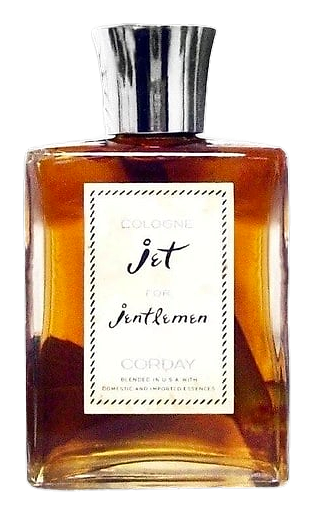
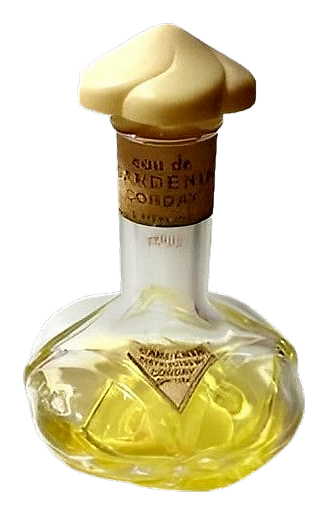
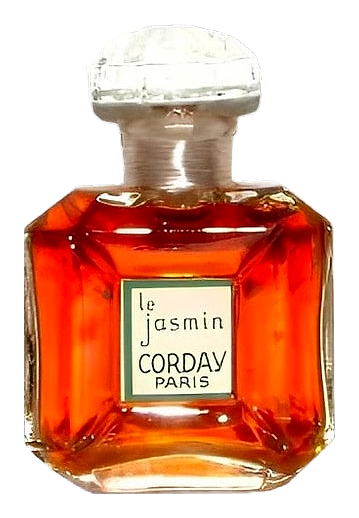
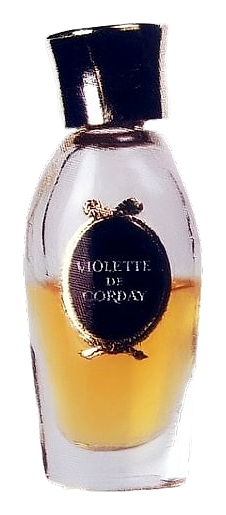
CordayCorday is a Paris‑born perfume house that emerged in the roaring twenties and kept a quiet presence through the mid‑century golden age of French fragrance. Founded by the entrepreneurial Blanche Arvoy, the label introduced a string of scents that still appear in vintage collections and specialty boutiques. Corday’s portfolio reads like a timeline of interwar and post‑war taste, from the bright citrus of Toujours Moi (1924) to the warm amber of Rusé (1966). The brand’s understated elegance and commitment to classic French perfumery make it a subtle point of reference for collectors who value history as much as aroma.
The Creator
Henriette GabillaGabilla favored layered constructions that unfolded over time. She began with a clear, luminous top, often built from citrus or green notes, then introduced a heart of rose, jasmine, or oud that lingered like a whispered secret.