
The Story
Why it exists.
The beginning
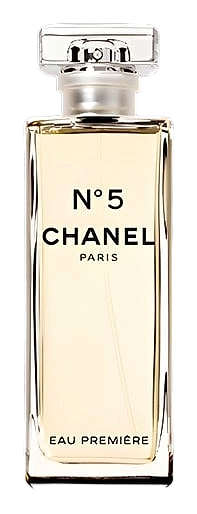
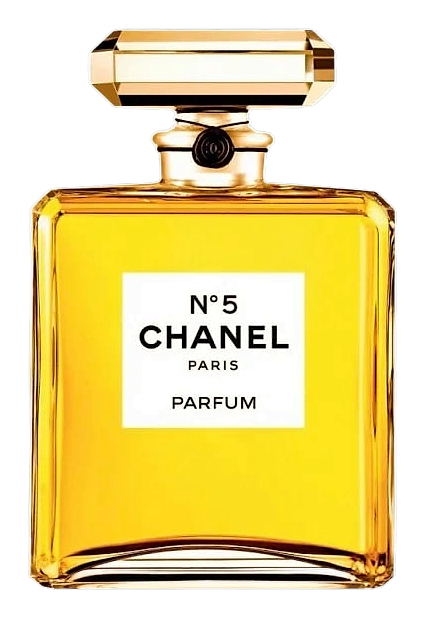
In 1921, the collaboration between Gabrielle Chanel and perfumer Ernest Beaux produced a composition built around synthetic aldehydes, an unusual move that lifted the florals out of the literal and into something abstract. Beaux had worked with aldehydes before, in ways that simply brightened a floral heart, but here the synthetics are pushed until they read as a note in their own right, a shimmering layer that sits above the flowers rather than disappearing into them. The result was N°5, released first as a parfum at a moment when the fashion world was paying close attention to what Chanel was building. A woman in motion. A scent that didn't apologize for itself. Chanel wasn't chasing tradition. She was building one.
What makes the composition unusual is the aldehyde overdose. Beaux took a technique used by Houbigant in Quelques Fleurs, where aldehydes simply brightened the florals, and pushed it so far the synthetics became a note you can smell on their own. A complex of aldehydes sits high in the structure, catching the floral heart and making it shimmer instead of spill. It's abstraction by chemistry. The florals never read as a single picked bouquet because the aldehydes won't let them settle into any one floral image.
The evolution
The opening is bright and lifted. Aldehydes, neroli, a flash of bergamot and lemon, all sharpened to a brilliance that reads more like clean air than citrus. Then the bloom arrives. Grasse jasmine comes forward first, dense and slightly indolic, with May rose threading through it. Iris arrives and powders everything. Lily of the valley adds a green sweetness that keeps the heart from going too dense. Around the three-hour mark, the florals begin to recede and sandalwood pushes up through the center. Vanilla softens the edges without sweetening the composition. Vetiver keeps the drydown dry, not gourmand. The amber underneath glows more than it speaks. Eight to ten hours in, what remains is a warm, slightly woody musk on fabric, the ghost of jasmine still perceptible if you know where to look. On a wool scarf the next morning, it reads softer, sweeter, almost powdery.
Cultural impact
N°5 has held a singular position in fragrance since its 1921 launch. Its composition, abstract aldehydes laid over jasmine and rose rather than a literal floral bouquet, predates most of the categories the modern market now sorts itself into. A century on, wearing it is less a trend choice than a reference point, the kind of scent people recognize on a crowded elevator without needing to be told what it is.