The Story
Why it exists.
The beginning
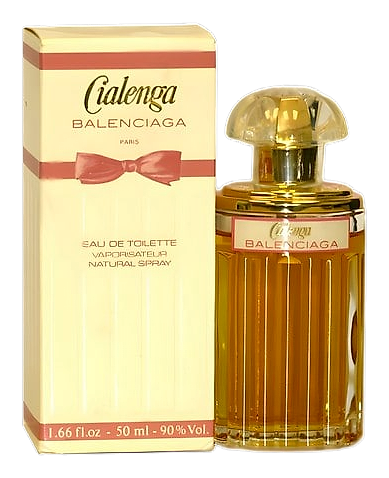
Cialenga arrived in 1973, a proper chypre composed by Jacques Jantzen. Green, mossy, floral at its core, woody at its foundation. The structure is deliberate: oakmoss and patchouli ground the composition, while bergamot and the bright citrus accords give the opening its first lift. Clove and ylang-ylang sit at the heart alongside iris and jasmine, with the spice warming the florals from underneath. The base settles into sandalwood, cedarwood, and vetiver, which smooth the edges without softening them. Blackcurrant and galbanum add a green bite to the top, sharp and just-bitten, the kind of note that announces the composition before the florals have a chance to settle. Jantzen wrote within a classical structure, confident in the chypre architecture, giving every element room to be heard.
What's interesting is the tension Jantzen built into the center. Clove and ylang-ylang sit alongside iris and jasmine, which means the heart has both spice and softness fighting for room. The clove is peppery and warm, threading through the iris and keeping the floral accord from collapsing into something too soft or too sweet. Ylang-ylang brings a yellow, almost tropical sweetness that pushes against the cool powder of the iris, and the two negotiate throughout the wear. Jasmine adds a quiet, indolic thread, present but never loud, more of a background hum than a soloist.
The evolution
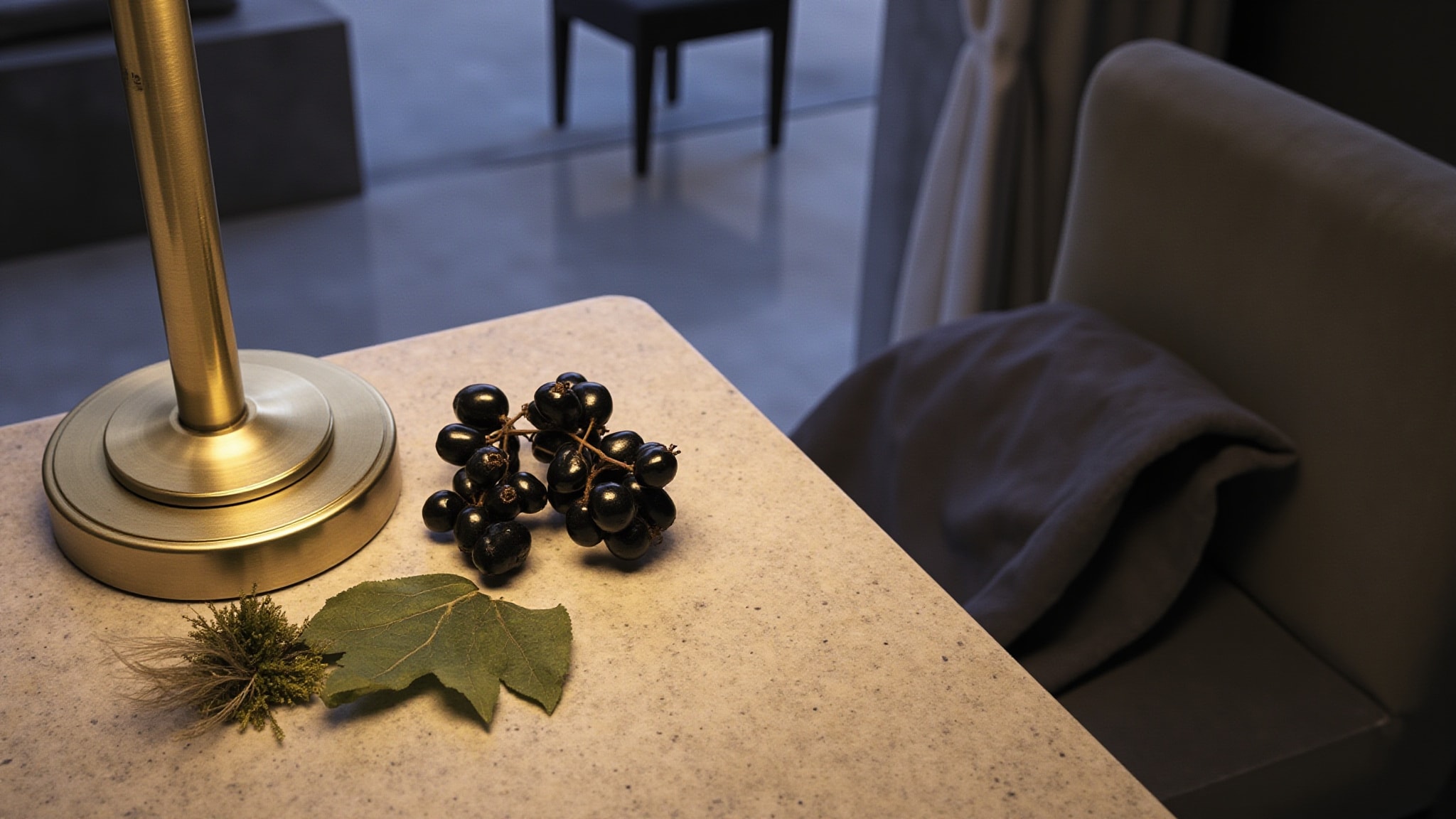
The first spray hits sharp. Green notes and blackcurrant give that crushed-leaf, just-bitten-into opening, with citrus giving a brief lift before the whole thing tilts darker. Galbanum adds a bitter, resinous edge that makes the green accord feel almost vegetal, like stems snapped between fingers. The florals arrive gradually, settling in once the citrus has burned off. Iris leads, powdery but taut, with ylang-ylang adding something almost banana-skin yellow beneath it. Jasmine threads through quietly. The clove shows up earlier than expected, and it stays, warming the heart from underneath with a steady, peppery heat. As the hours pass, the base takes over. Oakmoss anchors everything, deep and earthy, with patchouli adding its dusty darkness and vetiver cutting through with something almost metallic. Sandalwood and cedarwood smooth the edges without softening them.
Cultural impact
Cialenga occupies a particular place among the chypres of the 1970s. It's a composition that wears like something with opinions, refusing to soften its edges for anyone. The oakmoss and patchouli give it weight, the iris and ylang-ylang give it warmth, and the clove keeps the whole thing honest. People who know the chypre category well tend to recognize Cialenga on sight, even without reading the label. It has that kind of signature, a combination of green depth and floral spice that defines what a classical chypre can be when it's built without compromise.