
The Story
Why it exists.
The beginning
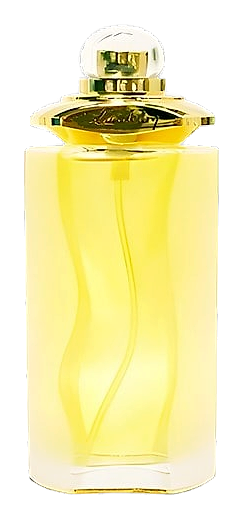
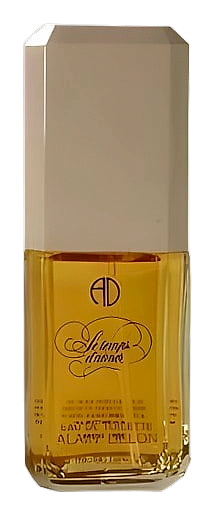
Le Temps D'Aimer arrived in 1981, carrying the screen presence of one of France's most recognizable actors into the world of fragrance. The name translates simply to "the time to love," and the composition lands exactly there: lush, warm, weighted with intent. What opens on the skin carries a green, slightly fizzy aldehyde lift that quickly settles into something denser and more deliberate. There's a sense of the fragrance knowing where it's going before the wearer does, pulling each phase forward with confidence. The florals arrive soon after, and they don't behave the way quieter compositions do; they arrive with company, and that company shapes everything that follows.
Aldehydes and green notes open the door, but the heart throws in cloves alongside gardenia and rose, a sharp spice cutting through what could have been a placid white floral. The cloves give the bouquet a slight curl at the edges, something almost burnt and edible sitting beneath the petals rather than floating above them. As the hours pass, the base settles in with civet, leather, and styrax, animalic and resinous materials that anchor the sweetness and keep the florals from floating away.
The evolution
The first thirty minutes are all sparkle. Aldehydes give that vintage soapy-silver rush, the green notes reading almost like crushed stems still holding water, and peach fuzz softening the edges. Brazilian rosewood hums underneath, a faint woody hum that adds gravity without announcing itself. By the one-hour mark the aldehydes have stepped back and the floral heart arrives in full: gardenia and ylang-ylang carrying most of the weight, with rose and orris lending a powdery sweetness and clove threading through like a stitch of spice. Jasmine sits quieter here than in most florals, letting the gardenia lead. The shift into the base happens slowly, and it's where Le Temps D'Aimer earns its reputation. Patchouli and oakmoss arrive first, earthy and cool, then civet makes its presence known, a warm, musky hum that reads almost feline on skin. Leather and styrax darken the perimeter, and the coconut and vanilla settle in underneath, sweet but not sugary, more like the inside of a pod than a dessert.
Cultural impact
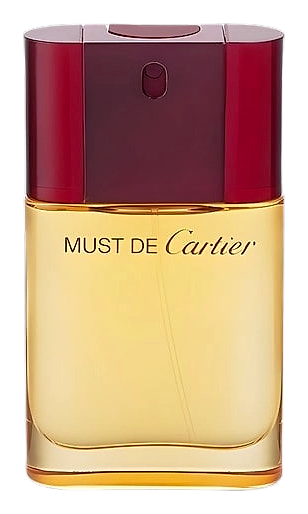
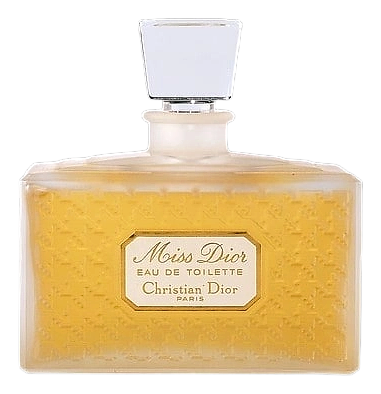
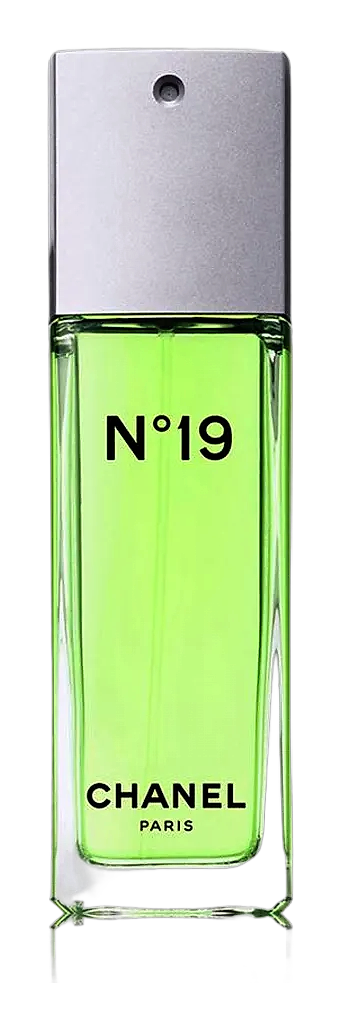
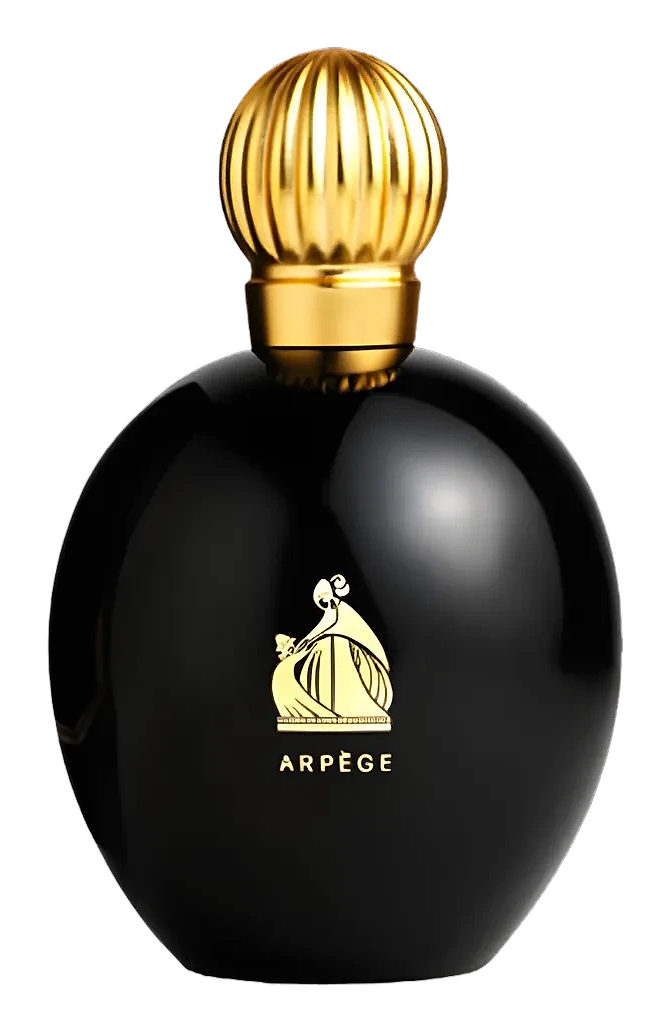
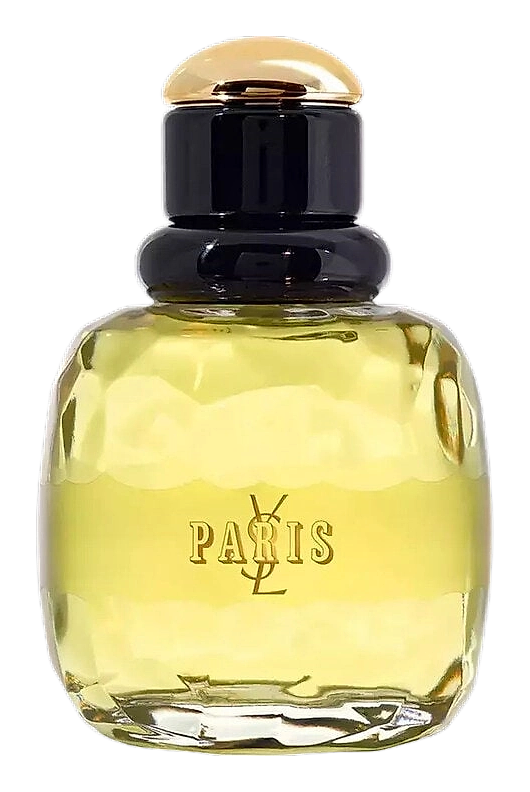
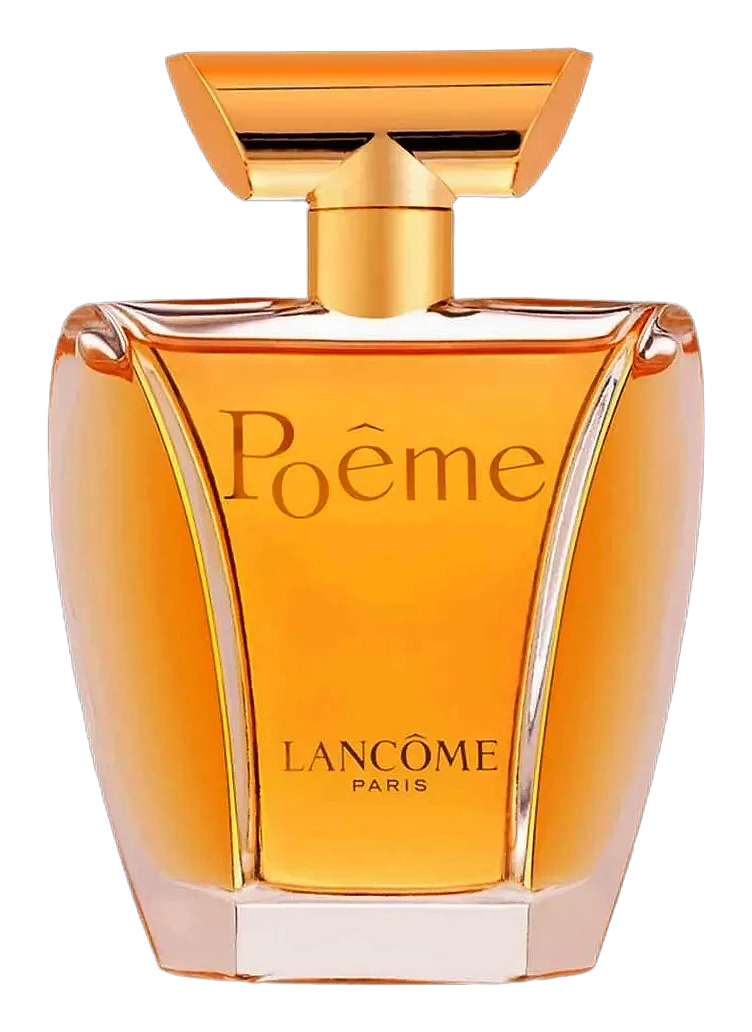
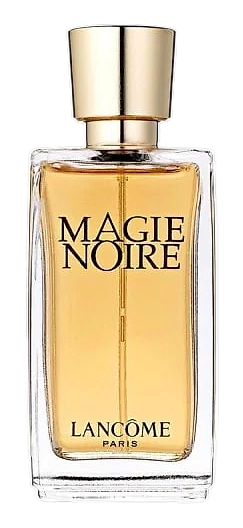
Le Temps D'Aimer occupies a specific corner of women's perfumery: dense, spiced florals with a generous dose of animalic warmth in the base. Fragrance directories often list it alongside Lancôme Magie Noire, Givenchy Ysatis, and Cartier Must de Cartier as similar in profile, fragrances that share the same heavy-handed approach to florals and the same appetite for civet, leather, and resin. That clustering tells you something useful about what Le Temps D'Aimer is going for: it's less a breezy garden scent and more a slow-burn composition that reveals different facets the longer it stays on skin.
The House
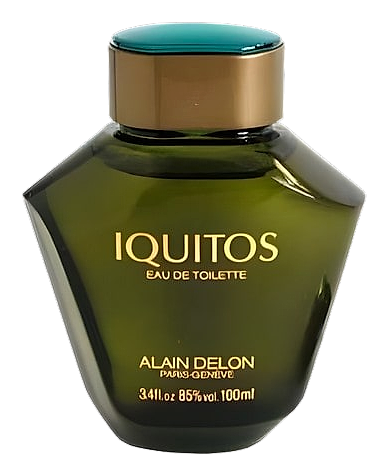
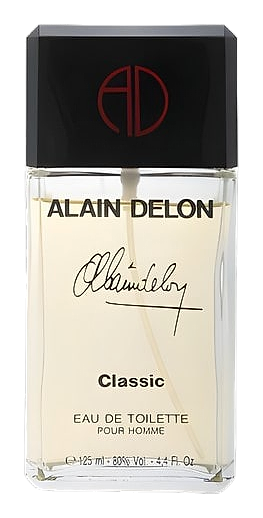
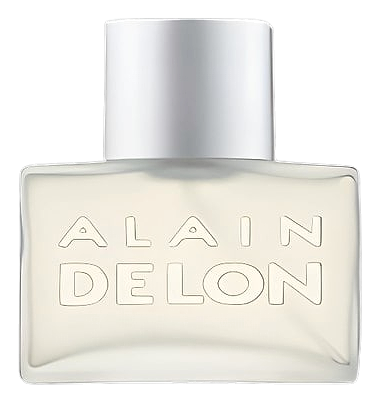
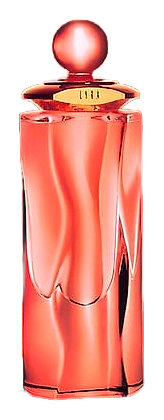
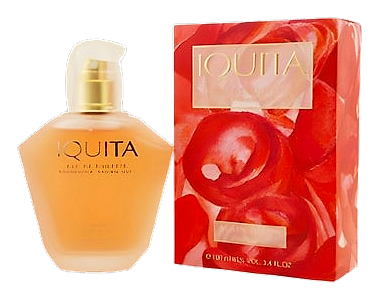
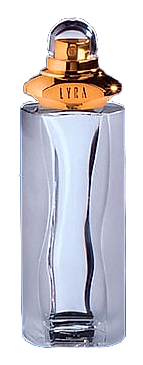
Alain DelonAlain Delon is a French fragrance house bearing the name of the legendary Swiss-French actor Alain Delon. The brand emerged in 1980, coinciding with the launch of its signature men's fragrance, simply titled Alain Delon or AD. Active across four decades, the house released a steady stream of men's and women's scents from the early 1980s through the early 2000s, with notable releases including Le Temps D'Aimer in 1981, the iconic Iquitos in 1987, and the Lyra series spanning 1993 to 1998. The Shogun fragrance in 2001 marked one of the house's final major releases. While the brand never disclosed its perfumers publicly, it maintained a presence in the European and Middle Eastern markets, with particular recognition in vintage fragrance circles for its bold, classic compositions.
The Creator
Lucien SchenckSchenck's compositions favor classical French structure: a defined top note that introduces a clear mood, a well-built heart, and a base that settles into the skin with quiet authority. He gravitates toward florals treated with a contemporary lightness, alongside woody and amb…