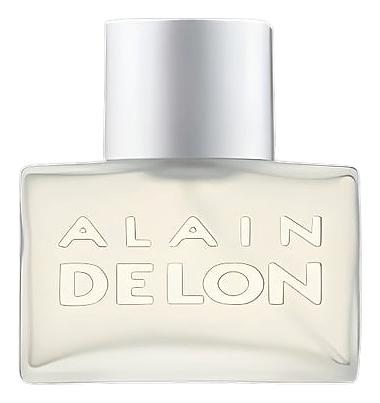

The Story
Why it exists.
The beginning
Mark Buxton designed this in 1979, stepping away from the heavier men's fragrances dominating that decade. The brief seems to have been simple: do something that doesn't announce itself. Mint and basil lead the top instead of bergamot, buzzy, herbal, immediate. The unusual move is the heart. Rose and jasmine together, florals in a masculine fragrance of this era, that took nerve. Buxton layered them against warmer base materials to ground the sweetness: sandalwood and vanilla underneath, holding everything steady. It's a fragrance built for someone who didn't need a scent to speak for them. The confidence was already there.
The combination of mint and basil in the opening is distinctive, most masculine fragrances of the late 1970s opened with citrus or lavender, not herbs. These two together create something almost medicinal at first spray, green in a way that reads as fresh rather than sharp. The floral heart is what really separates this from its peers. Rose and jasmine together is uncommon in men's fragrance full stop, let alone in 1979. The bergamot bridges the gap, adding a citrus brightness that keeps the florals from feeling delicate. What follows is warm without being heavy, the sandalwood and vanilla create softness, but vetiver and musk keep it grounded.
The evolution
The opening is all herbs and citrus, juniper and mint first, then basil arriving to green things up further. The tangerine adds a brief sweetness before the cardamom introduces something warmer underneath. For the first fifteen minutes, this is aggressively aromatic, the classic men's fragrance playbook, green and buzzy. Then the florals arrive. Rose emerges first, gentle and unexpected, followed by jasmine that holds back until the rose has settled. Bergamot lingers at the edges, keeping the transition from top to heart clean. By the second hour, the sandalwood takes over. Vanilla blooms underneath, soft and warm, while musk adds body without weight. Vetiver grounds everything, earthy, slightly smoky, keeping the florals from taking over. The amber ties it together, holding warmth close to the skin. By hour four, only the base notes remain: sandalwood, vanilla, and vetiver, intimate and skin-close. Moderate sillage throughout, the fragrance projects for the first hour, then settles into a warmth that's only detectable to someone standing nearby.
Cultural impact
When Alain Delon Pour Homme arrived in 1979, men's fragrances were still working through the loud legacy of the previous decade, heavy chypres, assertive orientals, scents that announced themselves before the wearer did. The herb-forward opening and the rose-jasmine heart were deliberate moves away from that mainstream. This was a fragrance that whispered instead of projecting, that suggested rather than declared. It arrived at the tail end of a cultural moment when masculinity was beginning to flex in new directions, and this scent captured something quieter: confidence that didn't need the room's attention to feel valid.