
The Story
Why it exists.
The beginning
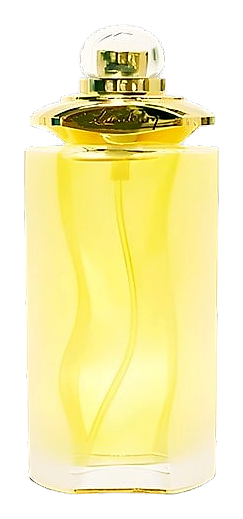
Maurice Roucel and Christine Nagel created Lyra in 1993. The name Lyra references the harp constellation, a celestial connection that gives the fragrance a sense of melody and resonance. The question was whether a fragrance could captivate listeners the way music does. The answer, it turned out, lay in powdery iris at its heart, softened by vanilla, wrapped in warm woods. The citrus top notes arrived first, lemon, bergamot, Brazilian rosewood, neroli, but they cleared quickly, leaving the real architecture to stand. The composition builds from that bright opening into something deeper, a quiet intimacy that unfolds on the skin rather than announcing itself.
What makes Lyra interesting is what it refuses to do. The powdery iris and vanilla combination reads as both warm and restrained, sweet enough to comfort, dry enough to intrigue. The base of sandalwood, cedar, and musk creates a skin-close warmth that doesn't project so much as linger. The iris stays present throughout the wear, threading through the composition with its slightly metallic, violet-tinged character. Vanilla and tonka bean reinforce the warmth, while the woody base provides structure without heaviness.
The evolution
The opening is bright. Lemon and bergamot arrive first, clean, citrus-sharp, a flash of light before the real work begins. Brazilian rosewood and neroli soften the entrance, adding a tropical floral warmth that keeps the citrus from reading as sterile. Twenty minutes in, the hand-off happens. The citrus recedes and the iris arrives, powdery, slightly metallic, the smell of violet petals and orris root doing quiet work. Ylang-ylang and jasmine join the heart, but they don't compete. They support. The rose adds a classical floral note, but it's the iris that leads. By the third hour, the base takes over. Vanilla and tonka bean bring sweetness, warm, slightly edible. Amber and benzoin add a balsamic depth. Sandalwood and cedar ground everything. Patchouli and musk provide the skin-close animal warmth that makes Lyra intimate rather than announced.
Cultural impact
Lyra has developed a following among those who remember it from its original release and newcomers who discover it through vintage hunting. The powdery iris and warm vanilla combination occupies its own territory in the landscape of classic fragrances. Some find the vanilla too sweet, others find it exactly right. The fragrance invites personal interpretation, its character shaped by how it interacts with individual skin chemistry. It doesn't try to please everyone. Those who connect with it tend to connect deeply.