The Story
Why it exists.
The beginning
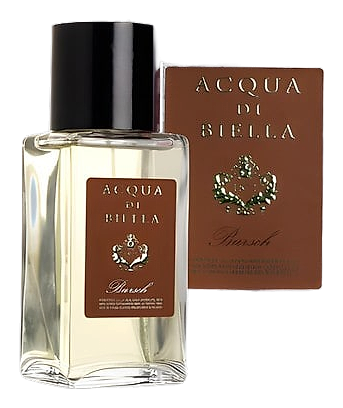
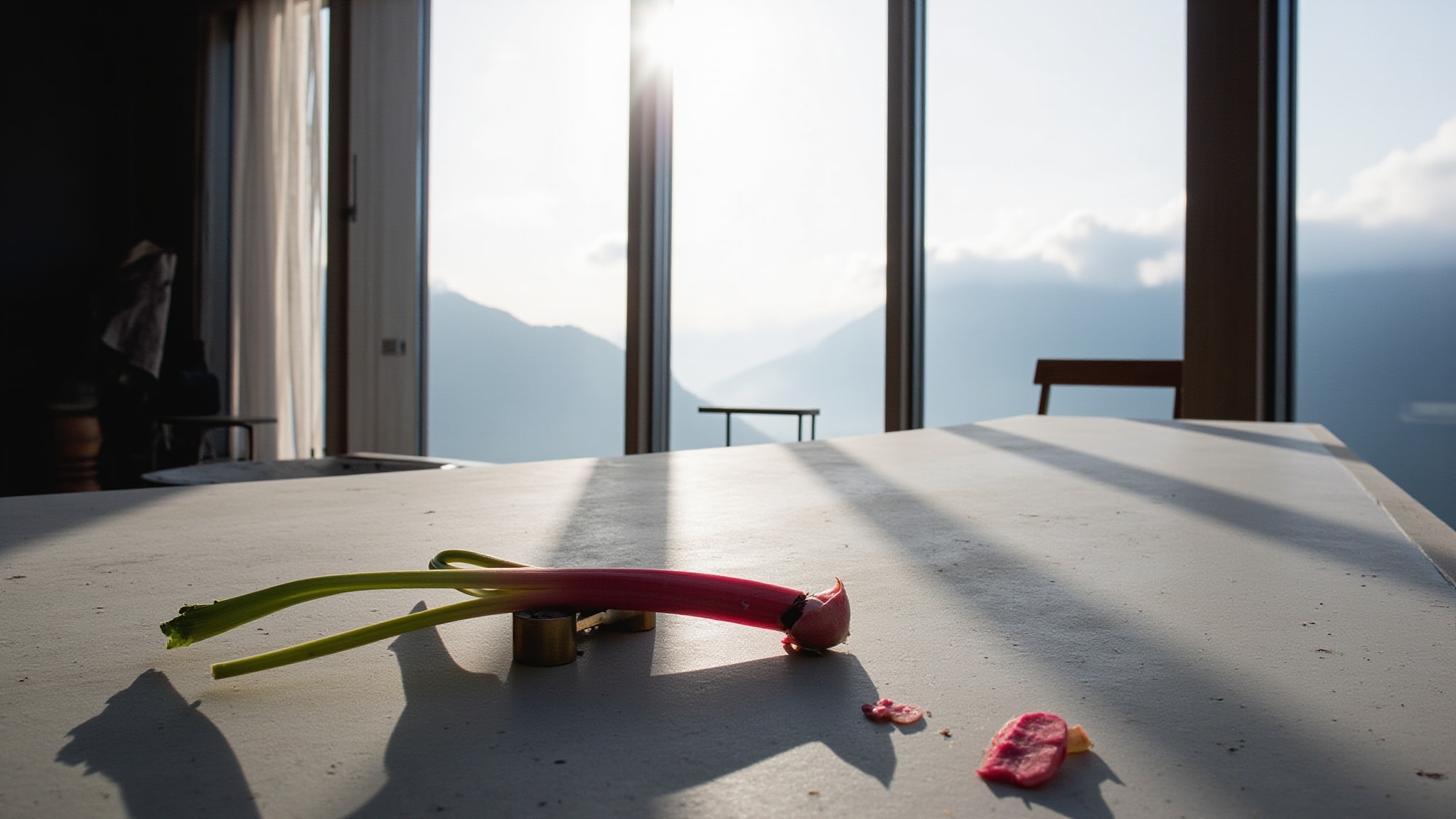
Bursch arrived in 2005 as part of Acqua di Biella's I Luoghi Biellesi collection, a series named for the places and textures of Biella itself. Maurizio Cerizza composed it, working with a simple brief: something that smells like the outdoors without resorting to the obvious pine-and-cedar formula. The result is a composition built around green, but not the bright, phototropic green of a summer lawn. This green is older, quieter, more textured. Rhubarb does the opening work, tart and almost vegetal, with bergamot and lemon sharpening the edges and rum lurking underneath like a measure poured into cold tea. The official description calls it fizzy and manly, robust and intriguing, and the scent earns each of those words within the first few minutes.
What's interesting here is the rhubarb. Most masculine compositions built around incense and oakmoss skip the fruit entirely, treating the green-and-woody axis as a closed conversation between moss, vetiver, and maybe a slice of grapefruit. Rhubarb brings a tart, almost vegetal sweetness that softens the incense's austerity without dulling it, and the rum underneath adds just enough warmth to keep the whole thing from drifting into cologne territory. The result reads as aromatic-fougère on paper, but wears with more spice and more shadow than the category usually permits.
The evolution
The first ten minutes belong to rhubarb, bergamot, and lemon doing what those notes do: a brief, sharp green sparkle, almost candied, with the rum lurking underneath like someone poured a measure into cold tea. It quiets fast. Within thirty minutes the frankincense takes over, joined by coriander's soapy warmth and a peppery thread that gives the whole heart a faintly smoky cast. Myrrh deepens the incense into something closer to church than cologne, and the incense stays the loudest voice for hours. As the composition settles, cedarwood rises underneath the frankincense, and the oakmoss does what oakmoss always does: anchor everything to damp forest floor. Vetiver and musk arrive last, keeping the drydown dry and a little austere. It wears close after the first hour, the scent of a jacket left over a chair rather than someone walking past you in it.
Cultural impact
Bursch sits in a quiet corner of the aromatic-fougère tradition, the kind of composition that rewards people who already know they like incense. It wears close, reads grown-up, and offers a green-mineral spine with more spice than the category usually permits. The rhubarb-and-rum opening is its real signature, a pairing that few mainstream masculine releases attempt, and one that pairs unusually well with frankincense and oakmoss at the base.