
Heritage
A house, in its own words
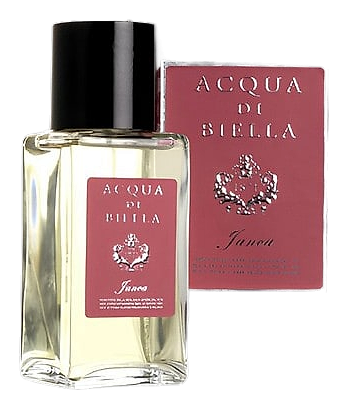
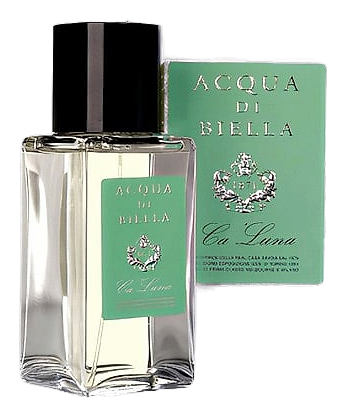
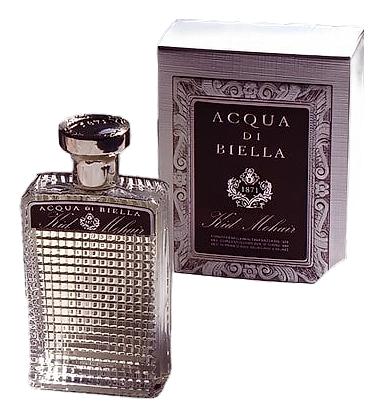
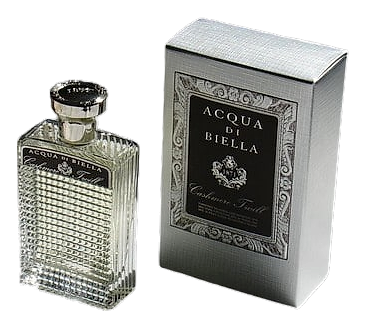
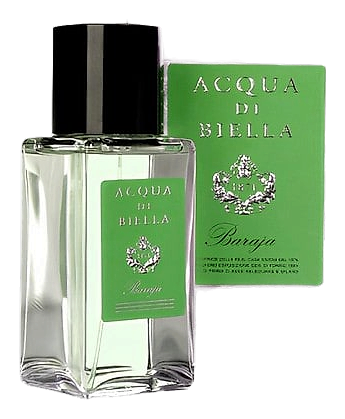
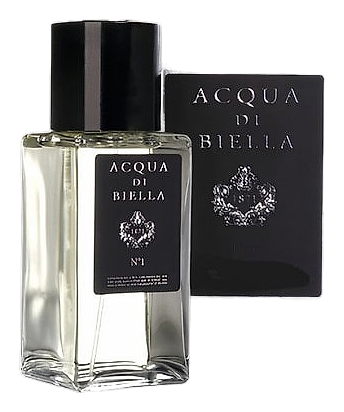
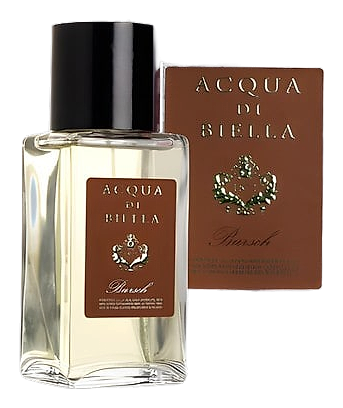
Acqua di Biella was founded in 1871 by Luigi Cantono in the city of Biella, located in the Piedmont region of northwestern Italy. Cantono established his workshop as a modest manufacturer of soaps, candles, perfumed ointments, and scented waters, catering initially to the local Piedmontese aristocracy. Biella itself held significant importance as a textile center, renowned throughout Europe for its production of fine woolens and cashmere, a heritage that would later deeply influence the perfume house's identity. For decades, Acqua di Biella operated as a regional artisan establishment, refining its craft and building a loyal clientele within northern Italy. The company remained relatively unknown beyond its territory until a pivotal transformation occurred around 2005, when it began releasing its fragrance collection more widely. These modern scents drew from a private archive of ancient recipes reportedly originating from local monastic convents, a practice documented by fragrance historian Luca Turin in The Encyclopaedia of Perfume. The house subsequently released Baraja in 2002, Janca in 2004, Bursch in 2005, Ca' Luna in 2007, Kid Mohair and Cashmere Twill in 2008, and Preja Buja in 2016. While the brand's own materials claim official supplier status to the Italian Royal Family, independent verification of this designation remains unavailable. The perfume house continues operating from Biella, preserving its connection to the region that shaped its century-old legacy. Acqua di Biella approaches perfumery through a lens of geographical and historical rootedness. The brand conceptualizes its fragrances as expressions of the Alpine landscape surrounding Biella, treating scent names as references to specific places and experiences rather than abstract concepts. The decision to source recipes from monastic archives reflects a philosophy that values inherited knowledge over synthetic innovation, privileging formulas that have demonstrated endurance across generations. Each fragrance in the collection exists independently rather than conforming to a house aesthetic, allowing compositions to develop organically across decades of release. The textile industry permeates the brand's creative vocabulary, with names like Kid Mohair, Cashmere Twill, and Baraja anchoring the house firmly within Biella's economic identity. This territorial specificity distinguishes Acqua di Biella from houses that pursue international appeal through generic luxury language. The brand appears more interested in documenting and interpreting its regional heritage than in competing within the broader niche fragrance market, positioning itself as a custodian of Piedmontese olfactory tradition.