
The Story
Why it exists.
The beginning
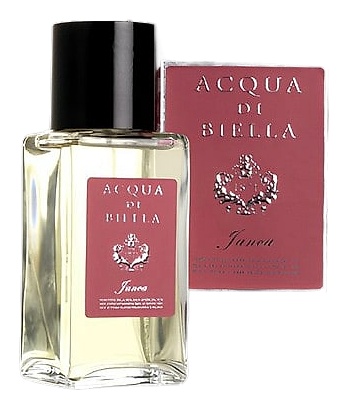
Janca arrived in 2004 from Maurizio Cerizza, drawing from Biella's Alpine geography and monastic recipe traditions. The name references legendary crystalline waters and flowers that once crossed oceans to reach Piedmont's textile valley in the early 1800s. Cerizza aimed to bottle that same spirit, rarity and richness in dialogue.
The composition hinges on osmanthus: its waxy, apricot-laden blossoms can tip between intoxicating and oppressive depending on the nose it lands on. Janca sidesteps that trap entirely by threading tamarind's bright acidity and Florentine iris's powdery grace through the heart. The osmanthus stays fleshy and present, never straying into cloying territory. Cardamom adds a subtle aromatic lift, warm spice that catches the light without overwhelming the florals.
The evolution
The opening arrives sparkling and tart: tamarind and mandarin orange over sun-warmed peach. Bright, energetic, immediate. Then the florals take over. Magnolia expands into the space, osmanthus adds its waxy apricot richness, and linden blossom softens everything with a honeyed whisper. The fruity brightness doesn't disappear, it retreats, becoming a memory beneath the petals. By the drydown, the tamarind and peach are gone. Cedarwood and patchouli arrive last, grounding the composition with quiet earthiness. Musk adds warmth. Florentine iris lingers closest to the skin, powdery, intimate, still present hours later. On most skin types, expect 6-8 hours with moderate sillage. Not a room-filler. A presence that stays close, then closer, as the day wears on.
Cultural impact
Janca reads as a close-complemented fragrance, present for the wearer and anyone within arm's reach, with longevity that carries through an average day. The 2004 launch predates the modern osmanthus renaissance by years, placing it ahead of the curve for lovers of that note. Acqua di Biella remains a small, heritage house, Janca occupies a niche within the niche, appealing to those who seek refined florals outside the designer mainstream.
The House
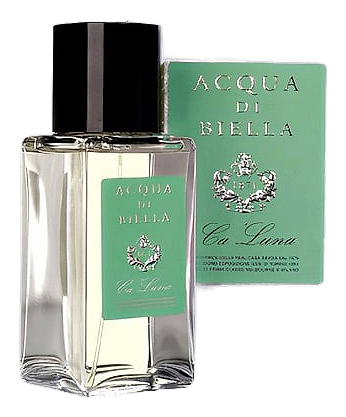
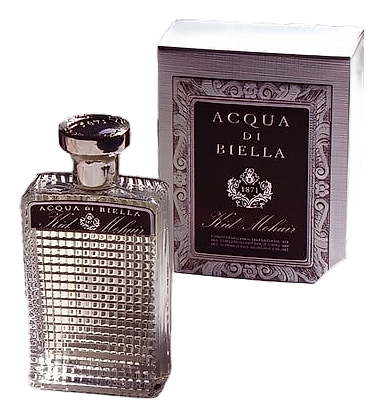
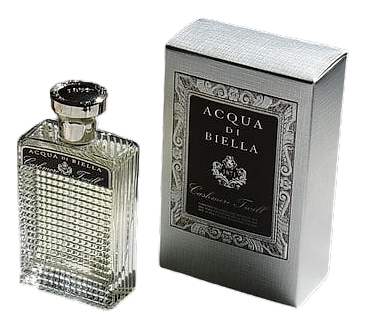
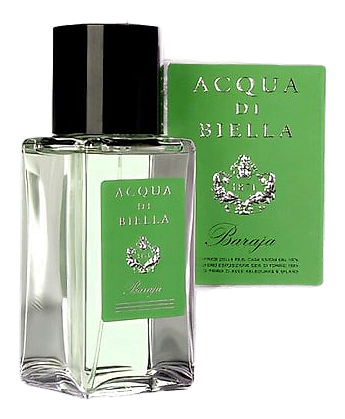
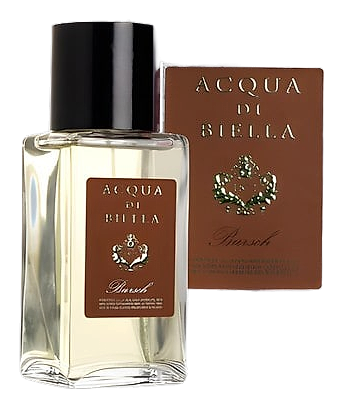
Acqua di BiellaAcqua di Biella is an Italian perfume house rooted in the textile capital of Piedmont, established in 1871. Founder Luigi Cantono began by crafting artisanal soaps, candles, and perfumed waters from a workshop in Biella's historic center. The house draws deep inspiration from its Alpine surroundings and the city's reputation for fine textile production. Modern fragrance releases emerged around 2005, drawing from an archive of traditional recipes reportedly sourced from local monastic convents. The collection includes notable scents like Baraja (2002), Janca (2004), Bursch (2005), Ca' Luna (2007), Kid Mohair (2008), Cashmere Twill (2008), and Preja Buja (2016). Each fragrance name references the textile heritage that defines the Biella region, connecting the house's olfactory identity to its territorial roots. The brand operates as a niche perfume house, maintaining its presence in the city where it was founded over 150 years ago.
The Creator
Maurizio CerizzaCerizza's work reflects the discipline of the Roure method he absorbed early in his career. He favors working with natural materials, drawing on his family's deep expertise in extraction and distillation to inform every creation.