The Story
Why it exists.
The beginning
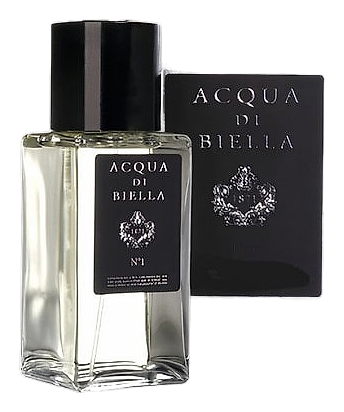
Acqua di Biella N° 1 draws from formulas preserved in conventual archives, recipes that predate modern perfumery by a century. The name is literal: this is the original, the template, the reference point against which other expressions in the collection are measured. Selected for endurance rather than novelty, these formulas rely on ingredients that proved themselves across generations. The result is a fragrance built on longevity, each component chosen for its ability to remain consistent and present over years of wear. This is the foundation.
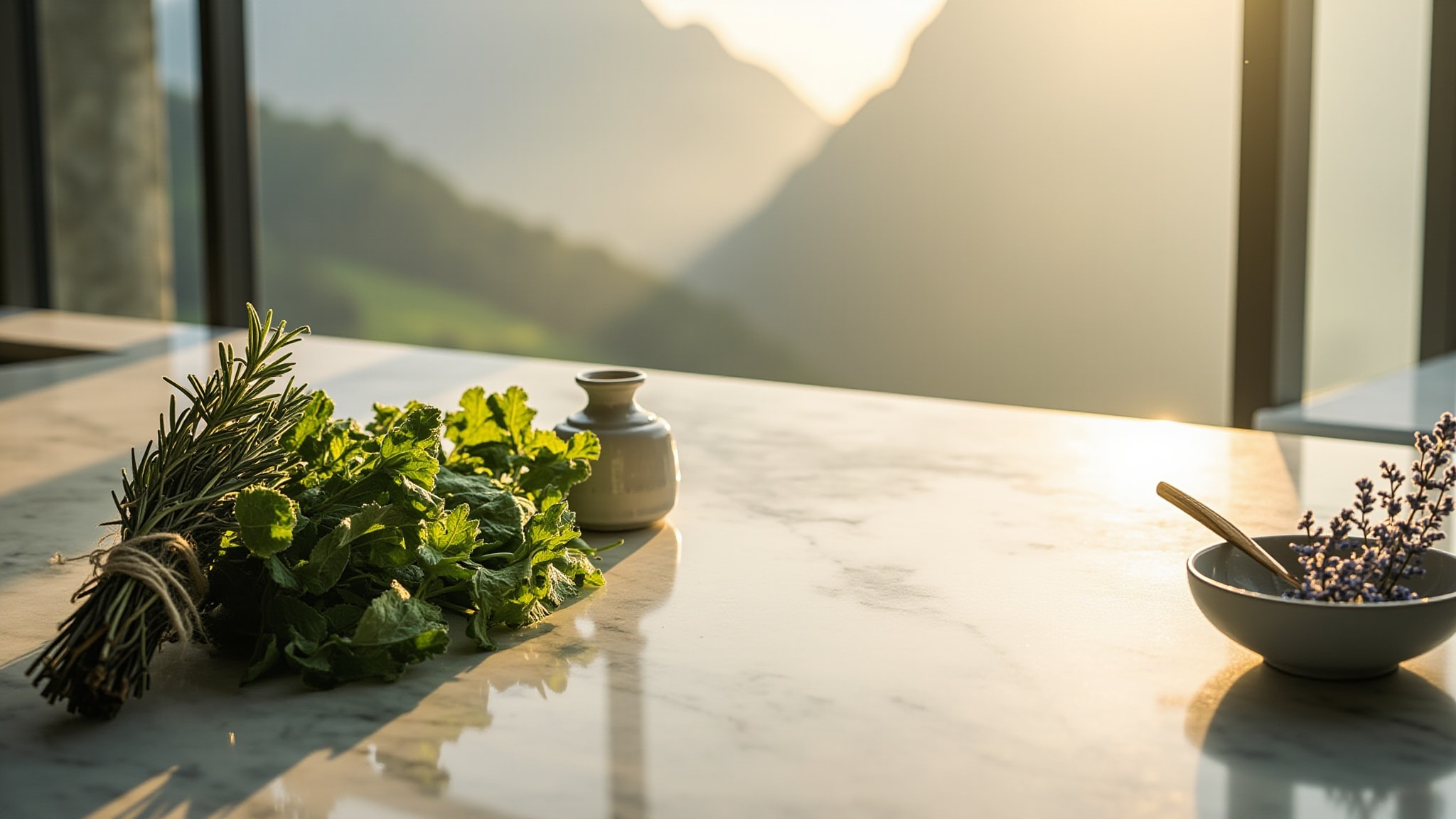
The structure is a study in restraint. Bergamot, lavender, rosemary, mint, materials that could easily overwhelm instead share space carefully. The lavender is the star, and in this concentration it demands attention. The powder that develops as it settles is not sweetness but clarity: green and clean, like the exhale after walking through a damp Alpine meadow.
The evolution
The opening arrives crisp and immediate. Mint and rosemary hit first, green and sharp, more crushed leaf than blossom. Bergamot follows, bright and citrusy. Within minutes the lavender makes its case. Prominent, aromatic, with an edge that reads almost medicinal before it settles. This is where opinion splits. Neroli arrives, bitter and green, and the petitgrain adds its citrus-twig character. Jasmine is quiet here, more waxy than sweet. The powder begins to form as the lavender's grassy side asserts itself. The white musk anchors everything, close to skin. Neither heavy nor sweet. This is the fragrance that remains, a clean whisper that persists through the day.
Cultural impact
Part of the I Luoghi Biellesi collection, fragrances named for places in Biella's territory. N° 1 translates the Alpine landscape and conventual patience into a cologne structure accessible to modern wearers, bridging 18th-century herbal formulas with an aromatic citrus profile. The fragrance demonstrates how traditional formulas can find resonance with contemporary preferences, offering heritage without rigidity. Its accessible construction makes it approachable while honoring the source material.