The Story
Why it exists.
The beginning
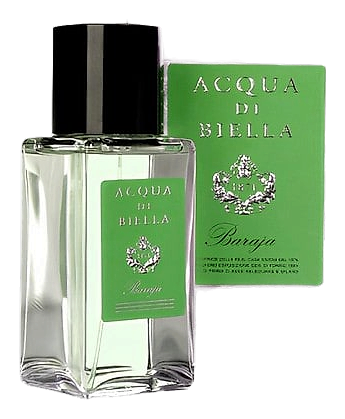
Baraja takes its name from the Piedmontese dialect term for an Alpine plateau, a high, bewildering savannah where nature has operated undisturbed for millennia. The name alone tells you where this fragrance lives: altitude, silence, terrain shaped by sun and rain. Maurizio Cerizza built Baraja around this geography. The opening catches you with lemon and lime, the sharp clarity of open air. Then the composition deepens: cardamom, cinnamon, iris, and a whisper of cumin. Cedarwood arrives early, threading through the citrus rather than waiting for the base. By the time you reach the drydown, patchouli and vetiver anchor everything against the skin, close and persistent. The 2002 release holds a specific place in the I Luoghi Biellesi collection, named for the places of Biella. Baraja is not a concept. It is a location, translated into scent.
What sets Baraja apart from standard citrus-spice compositions is the layering sequence. Most fragrances keep their top notes isolated before transitioning to the heart. Here, cedarwood arrives in the opening minutes alongside the citrus, establishing a woody spine that never fully releases. The honey does not sweeten the composition so much as warm it, keeping the lemon and lime from reading as purely sharp. The heart introduces an unexpected tension. Cardamom and nutmeg are predictable enough. Cumin is not. That note, earthy, almost animalic at high concentration, splits wearers immediately. On some skin, it reads as warmth. On others, it announces itself.
The evolution
The first minutes belong to citrus. Lemon and lime arrive clean and immediate, but cedarwood is already present, a low woody hum beneath the brightness. The honey does not sweeten so much as temper. It keeps the opening honest. Thirty minutes in, the heart opens. Cardamom and cinnamon arrive together, warm and sharp. Nutmeg threads through. Then the iris shows its powdery hand, and the cumin makes its move, not subtle, but not aggressive either. On some skin, this is the moment Baraja either clicks or doesn't. By the two-hour mark, the citrus has receded. The drydown belongs entirely to the base: patchouli's earth, vetiver's green depth, and ambergris with its animal warmth. This is where Baraja earns its name. Close to the skin. Persistent. The kind of drydown that survives a full workday on fabric and still ghosts into the next morning on a jacket collar.
Cultural impact
Baraja has lived quietly since its 2002 launch, never widely distributed, eventually discontinued, and now something of a collectors' curiosity. That obscurity is part of its appeal. For wearers who found it, it represents something outside the mainstream: an Italian Alpine vision that didn't chase trends because it wasn't trying to enter the conversation. The fragrance occupies a specific register, warm spice and close-to-skin woodiness, that has since been revisited by larger houses, but never quite in this exact combination.