
The Story
Why it exists.
The beginning
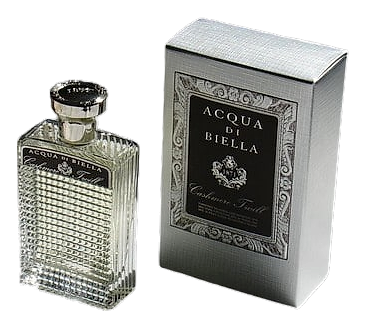
Maurizio Cerizza built Cashmere Twill as a tribute to the fabric that made Biella famous. The city has produced exceptional cashmere and woolens for generations, wovens so fine they became synonymous with Italian craft. The name says everything: cashmere softness, twill structure. This fragrance captures what that fabric feels like when it meets skin, translated into scent with quiet reverence. The interplay of soft fibers and structured weave becomes an olfactory experience, a fabric reimagined as something to breathe in rather than wear.
The composition balances contrasting elements throughout its development. Citrus opens bright and assertive against a heart of spice and powder. The combination of cardamom and star anise is unexpected, aromatic heat meeting quiet licorice coolness. Water iris adds that powdery softness, while star magnolia keeps things green and alive rather than heavy. Cedar and vetiver form the base: woody, grounding, the structural threads holding everything together. Each layer feels deliberate, building toward a cohesive whole.
The evolution
The opening arrives clean and direct, Sicilian lemon and Calabrian bergamot, citrus with purpose. As the fragrance develops, the heart phase introduces cardamom's warmth alongside iris's powdery floral presence. Star anise threads through quietly, a faint licorice whisper beneath the surface. Magnolia keeps it from going too heavy. The base establishes itself with Lebanon cedar and vetiver, woody and grounding notes that settle close to the skin. The drydown has presence without announcement, the kind of finish that invites rather than demands attention.
Cultural impact
Cashmere Twill arrived in 2008 as part of Le Vie della Lana, the collection dedicated to the textile heritage that defines Biella. The fragrance occupies a particular space in the lineup: sophisticated enough for formal occasions, approachable enough for regular wear. For those who appreciate Italian craft traditions and the idea of scent as a tribute to artisanal skill, it offers something distinctive, an olfactory homage to a specific craft in a specific place.