Sri Lankan cardamom
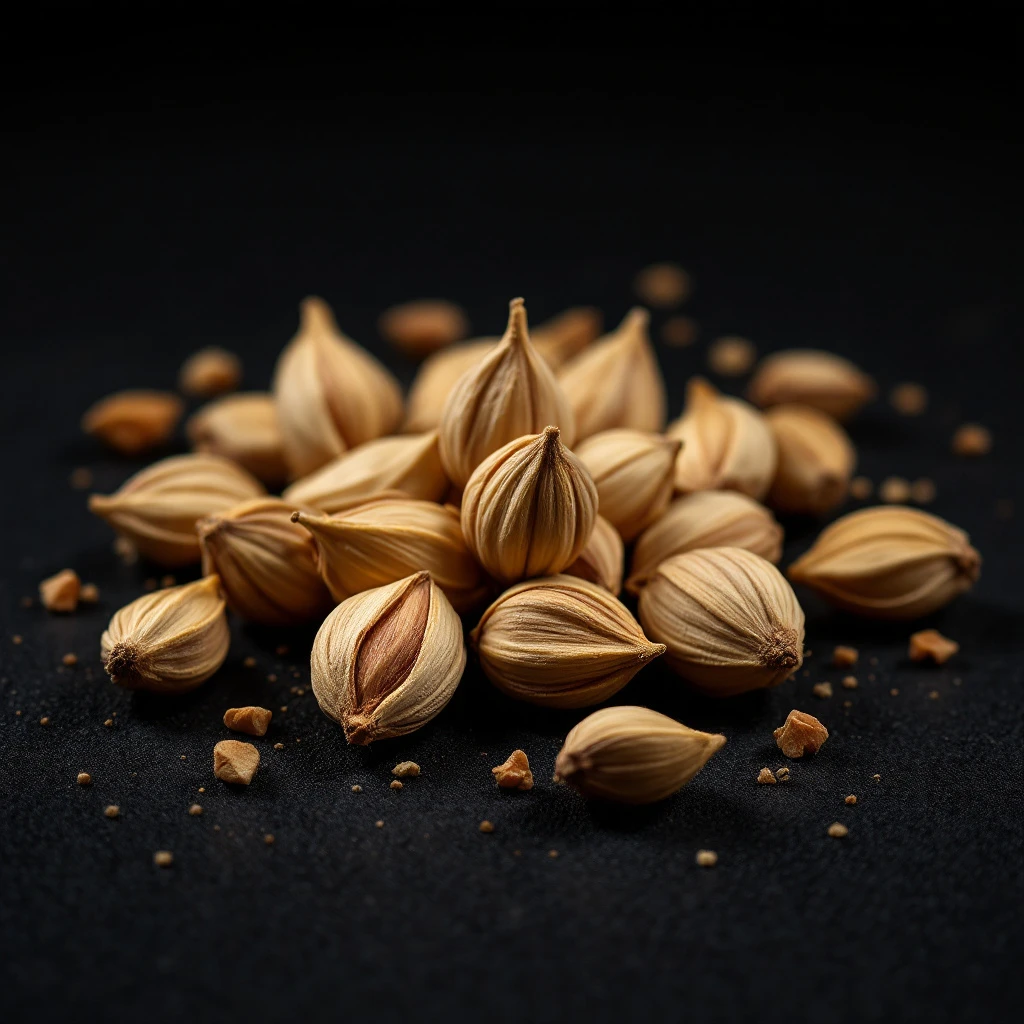
Sri Lankan cardamom carries a brightness that sets it apart — green, citrusy, and warmly aromatic with an almost floral sweetness. It is the most prized variety in perfumery.
Character
How it smells
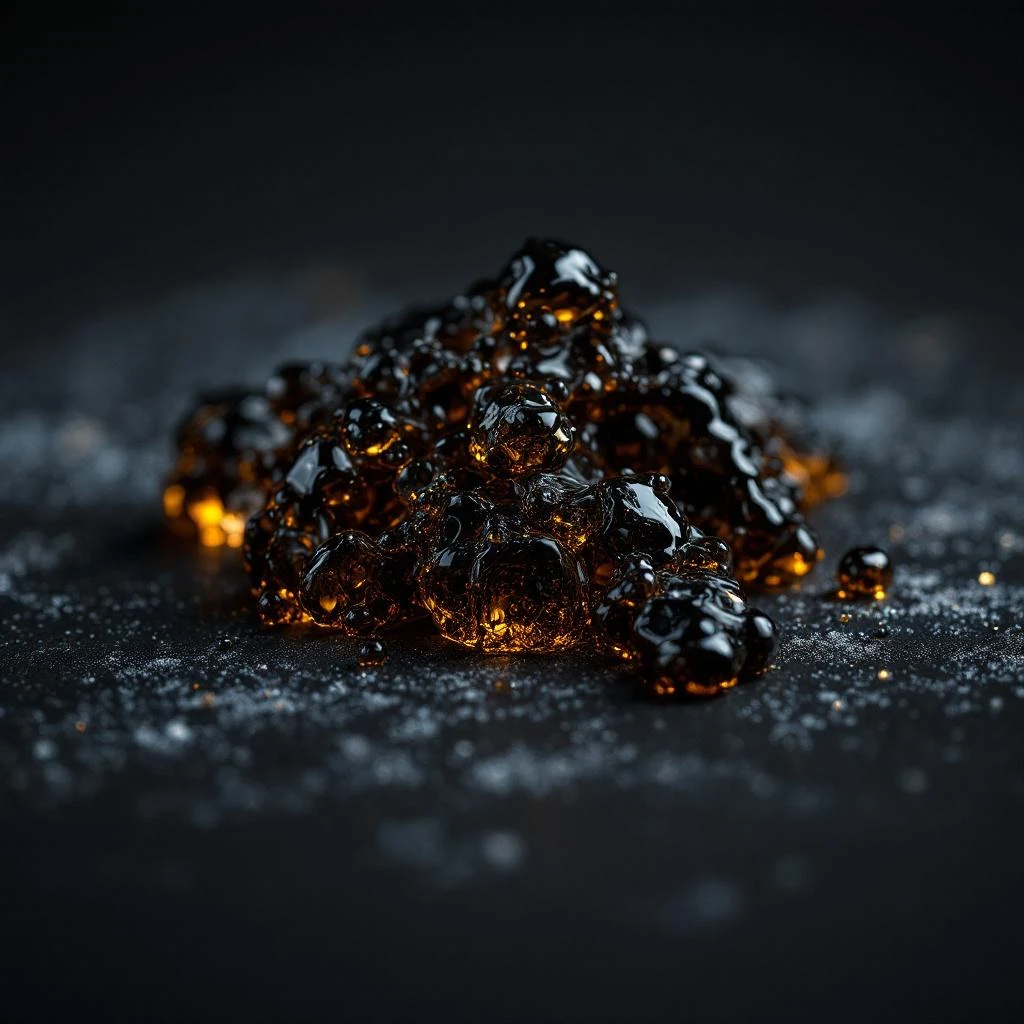
The queen of spices, captured in oil.
Sri Lankan cardamom pods are hand-harvested before full ripeness to lock in volatile aromatics that give the oil its signature green freshness.




Origin
Sri Lanka
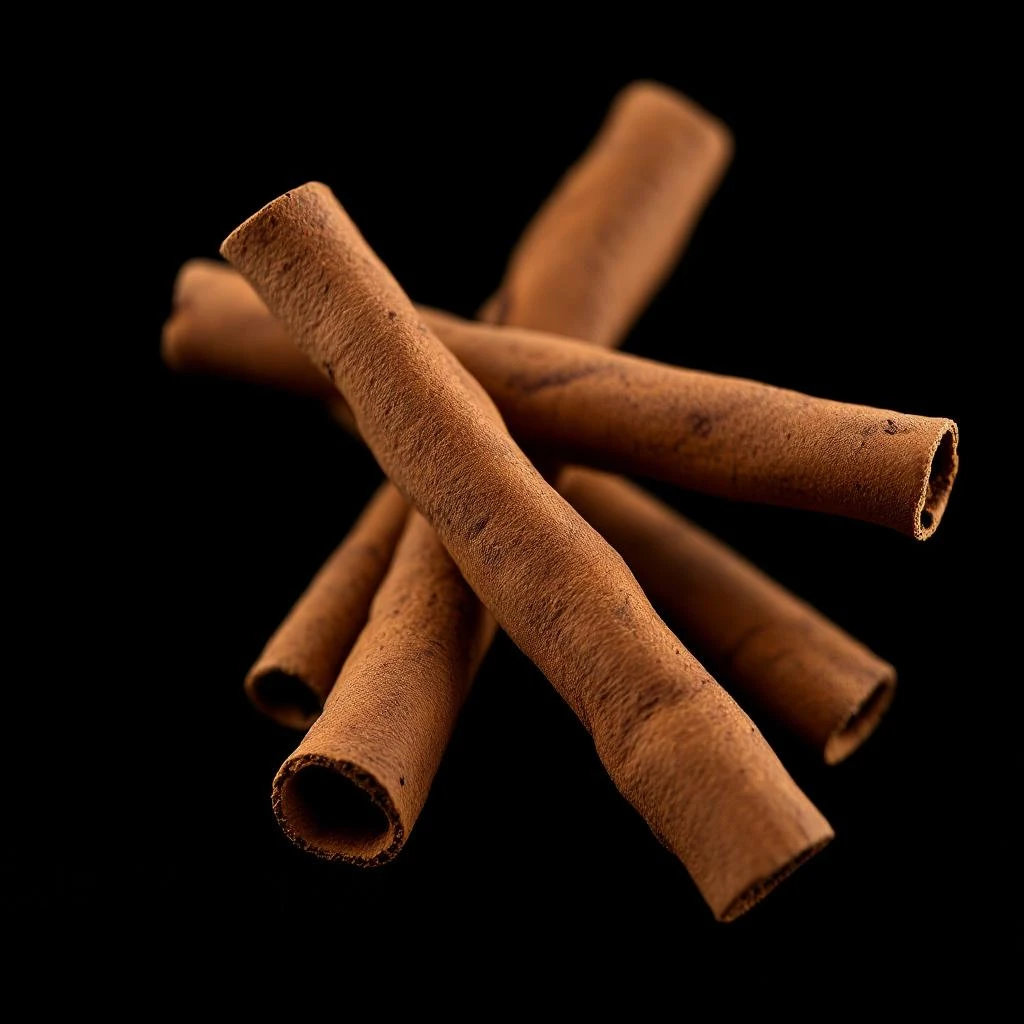
Cardamom traces its roots to the moist forests of the Western Ghats in India and the highlands of Sri Lanka, where it has been cultivated for over 4,000 years. Ancient Tamil and Singhalese traders carried the spice along maritime routes, introducing it to Greek physicians and Roman merchants by the 4th century BCE. Physicians valued it as a digestive aid and breath freshener before it became a perfumery ingredient.
The spice appears in Sanskrit texts as early as the 4th century BCE. Sri Lanka's central highlands — areas like Kandy and Nuwara Eliya — produce the world's most aromatic cardamom, a result of consistent rainfall, rich soil, and elevation above 1,000 meters. During the colonial era, Dutch traders prioritized cardamom alongside cinnamon, and it remained a controlled commodity in island trade for centuries.
Today, Sri Lanka ranks among the top three global producers, with smallholder farmers in the hill country maintaining traditional cultivation methods passed down through generations.
Wears it best
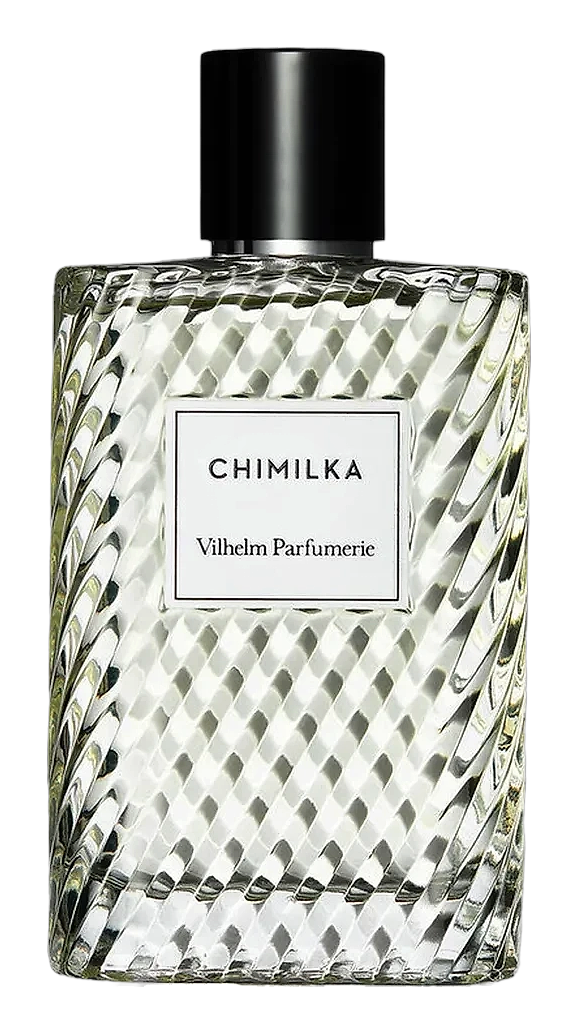
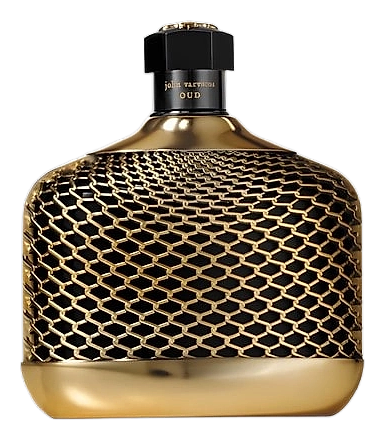
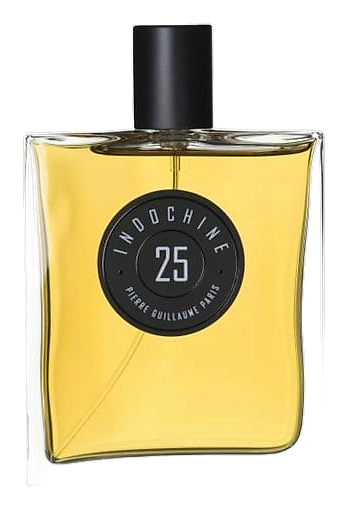
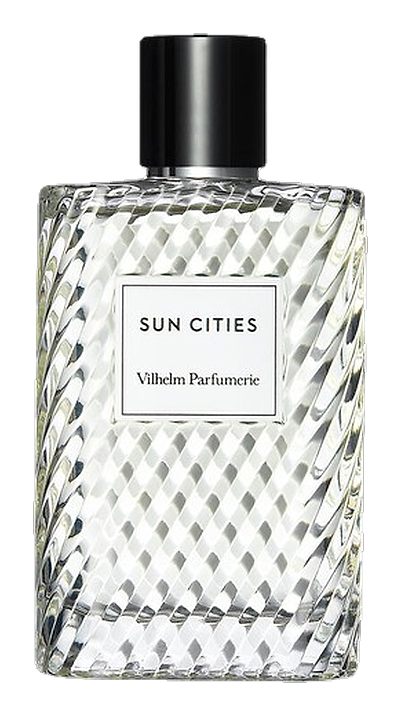
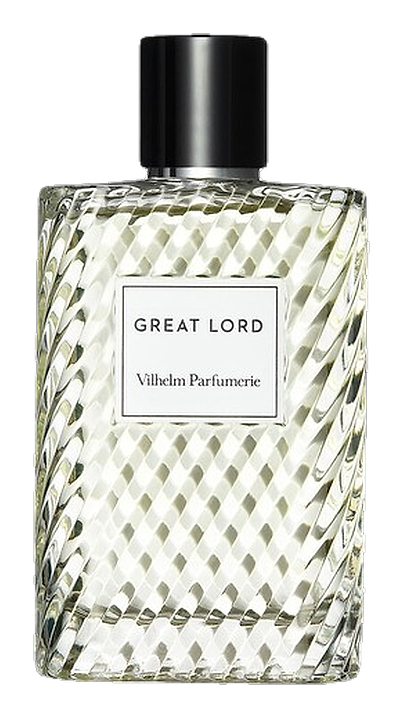
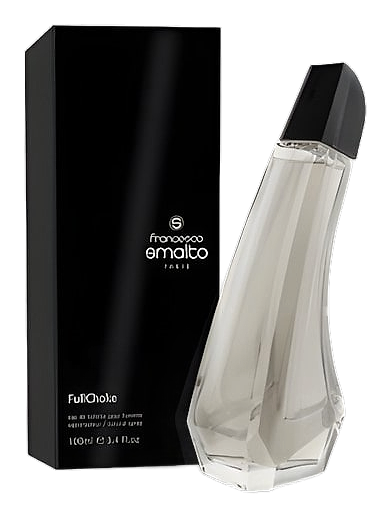
Fragrances featuring Sri Lankan cardamom

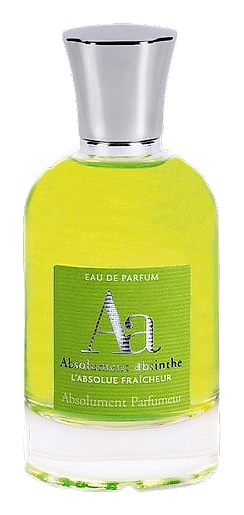
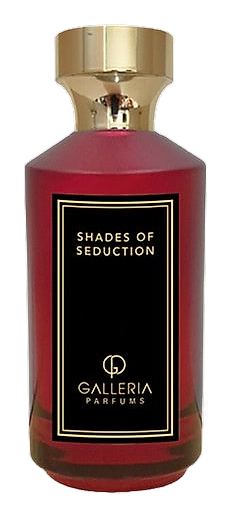
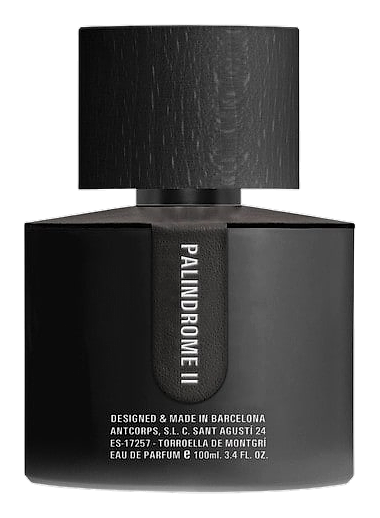
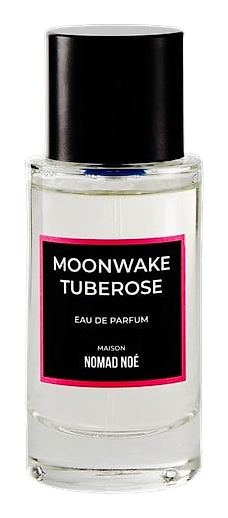
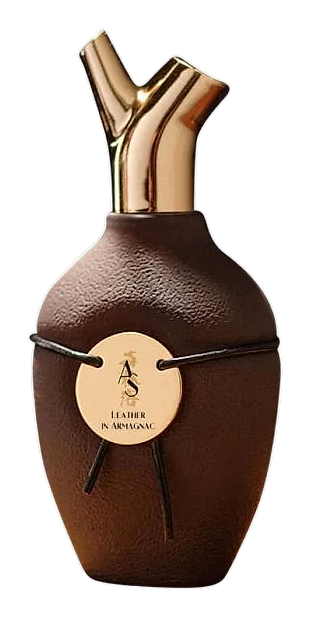
Brands
Brands known for Sri Lankan cardamom
Good to know
Questions, answered
The essentials on Sri Lankan cardamom in perfumery: how it smells, where it comes from, and how it behaves on skin.
What makes Sri Lankan cardamom different from other origins?
Sri Lankan cardamom has a brighter, more citrusy-green aroma with subtle floral undertones. The altitude and rainfall in the central highlands produce pods with higher volatile aromatic compounds, giving the oil a complexity that Guatemalan or Indian varieties lack.
In perfumery, does cardamom function as a top, middle, or base note?
Cardamom functions primarily as a heart note, lending warmth and spice to the mid-section of a fragrance. Its sharp opening qualities can push it into top note territory in certain compositions, particularly in fresh, green blends.
How does Sri Lankan cardamom smell compared to Guatemalan cardamom?
Sri Lankan cardamom carries more green, citrusy freshness, while Guatemalan cardamom tends toward warmer, earthier spice. The difference is measurable in volatile oil composition, particularly in 1,8-cineole and linalool content.
What fragrance ingredients blend well with cardamom?
Cardamom pairs naturally with bergamot, iris, amber, sandalwood, and rose. Its warmth amplifies citrus in top notes and grounds florals in the heart, making it a versatile connector in complex compositions.
Is cardamom oil considered expensive in the fragrance industry?
Cardamom oil falls in the mid-to-premium range among natural fragrance materials. The low yield from steam distillation, combined with labor-intensive hand harvesting, keeps prices higher than more common spice oils.
Can cardamom be synthesized, or must it come from natural pods?
Synthetic cardamom compounds exist, including 1,8-cineole derivatives, but natural cardamom oil remains preferred. Synthetic reproductions capture the sharp green note but struggle to replicate the full, multi-layered aroma of the real thing.
How does harvesting timing affect cardamom quality for perfumery?
Pods must be harvested before full ripeness. Late harvesting causes seed pods to dry and lose the aromatic compounds perfumers rely on. This narrow harvest window is why hand selection by experienced pickers is essential.
Is cardamom used primarily in food, medicine, or perfumery?
Approximately 90% of global cardamom production goes to culinary use. The fragrance industry uses only the highest-quality essential oil fraction, which is why perfumers specifically source green, freshly harvested pods from Sri Lanka.