
The Story
Why it exists.
The beginning
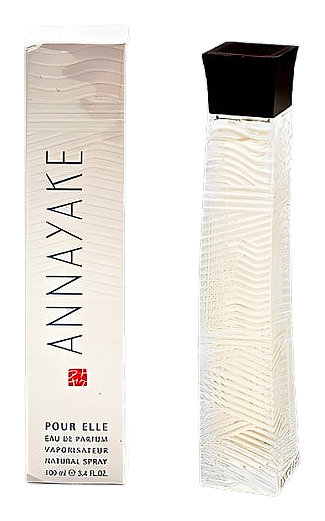
Pour Elle arrived in 2000, built around a central question: what does balance smell like when it's worn, not just discussed? The perfumers Emilie Bevierre-Coppermann and Lucas Sieuzac chose blue lotus as the heart, an ingredient associated with eastern philosophy, here translated into a modern French composition. The name itself is simple: for her. Not a persona, not a mood board. A woman who moves through her day without needing fragrance to announce her. The formulation speaks in quiet tones, preferring presence over proclamation, offering a scent that settles into the background of daily life like a well-worn habit rather than a statement piece. It's the kind of fragrance that asks to be discovered rather than announced, that rewards close proximity over theatrical projection.
Blue lotus sits at the center of this pyramid like a still pond. It's not a common heart note in Western perfumery; the material carries a watery, slightly narcotic floralcy that reads green and cool rather than sweet. Pairing it with fig leaf above and hinoki cypress below creates a vertical line from fresh-cut stem to warm bark, anchored by tea's tannins and musk's skin-affinity. The base isn't aquatic in the marine sense, it's simply grounded and intimate, which gives the drydown its meditative quality.
The evolution
The opening hits bright and green, bergamot sparks against fig leaf's vegetal edge, with elemi resin adding a faint resinous warmth beneath. The blue lotus arrives as a shift in weather: cooler, more diffuse, almost aquatic. The fragrance doesn't project so much as diffuse, filling a small radius without ever pushing outward. The woody base takes over as time passes, hinoki cypress first, then sandalwood settling into the skin's warmth. The tea note threads through the entire drydown, keeping everything slightly astringent and grounded. What's left is a skin-close trace of musk and wood, the kind of thing a stranger might catch when you lean in to whisper. The progression feels unhurried, each phase emerging naturally from the last rather than performing a dramatic transformation.
Cultural impact
Annayake launched in 2000 with a collection built around the house concept of balance and ritual. Pour Elle arrived alongside the brand's first men's release, both exploring how Japanese-influenced ingredients might function within a Western framework. The blue lotus and hinoki cypress pairing represented an unconventional choice for the period, drawing from eastern aromatic traditions without directly mimicking any single cultural style. This approach positioned Pour Elle differently from many contemporaries, appealing to wearers who valued thoughtful composition over conventional structure.