
The Story
Why it exists.
The beginning
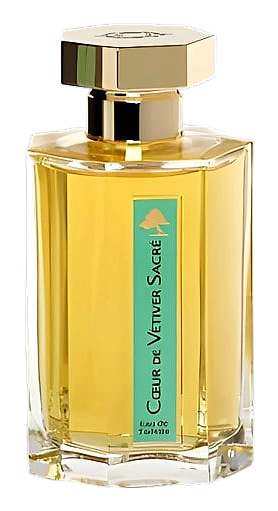
Karine Vinchon-Spehner created Coeur de Vetiver Sacre in 2010. The French title carries weight, Coeur means heart, and Sacre means sacred, or hallowed. The fragrance takes something familiar, roots it in something unexpected, and sees what grows. It's an approach this house has favored, one that challenges expectations and invites wearers to experience familiar materials from unfamiliar angles. Vetiver plays a significant role in the composition, paired with elements that lend it warmth and context, though other notes, particularly tea, assert themselves in the opening as well.
What makes Coeur de Vetiver Sacre interesting is the structure. Tea and dried fruits open the composition with a brightness that feels almost delicate, the bergamot adds that sharp citrus lift, the dates and dried fruits bring a honeyed sweetness that reads as warm, not sweet. Then the spices arrive: ginger, pink pepper, saffron. These aren't aggressive. They're the warmth that builds under the opening. The vetiver appears later in the composition, and when it does, the frankincense is already present. Vetiver and frankincense together create something more complex than either material alone.
The evolution
The opening announces itself quickly. Bergamot and black tea arrive first, bright and aromatic, with the dried fruits lending a honeyed warmth underneath. The ginger and pink pepper begin their work, warmth builds, the spice registers as present without being aggressive. The saffron threads through, adding that golden, slightly medicinal quality it carries in nature. Then the handoff arrives: vetiver and frankincense arrive together, and the character shifts. The brightness recedes. What remains is smoky, earthy, resinous. The vanilla doesn't sweeten so much as round the edges. The musk keeps it close to skin. What you began with is quieter now, the vetiver and incense lingering on skin and fabric alike, on wool, especially, where it stays overnight.
Cultural impact
Coeur de Vetiver Sacre uses an unusual material as its focus, and that material is vetiver, paired with incense. The combination yields something layered and worth knowing. This fragrance rewards patience, unfolding in stages that ask the wearer to stay present with it. It appeals to those who want fragrance to mean something, who care about the story behind the bottle as much as the scent inside it.
The House
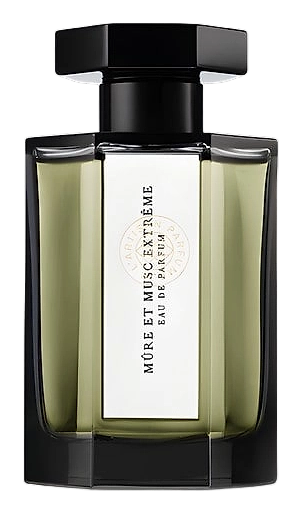
L'Artisan ParfumeurL'Artisan Parfumeur arrived in 1976 with a quietly radical idea: perfume should feel personal, not mass-produced. Founded by chemist Jean Laporte in Paris, the house became one of the first true niche fragrance houses, championing natural ingredients and artisanal craft at a time when blockbuster launches dominated the market. Its Mûre et Musc, launched in 1978, paired blackberry and musk in a way no one had attempted before, and it became a sensation. Over nearly five decades, the house has continued to create unusual fragrances with distinguished noses, never following trends but trusting instead in beautiful materials and imaginative composition.
The Creator
Karine Vinchon-SpehnerKarine's signature centers on natural raw materials used with liberal hand. She gravitates toward warm, enveloping notes: amber, rich woods, and earthier elements.