The Story
Why it exists.
The beginning
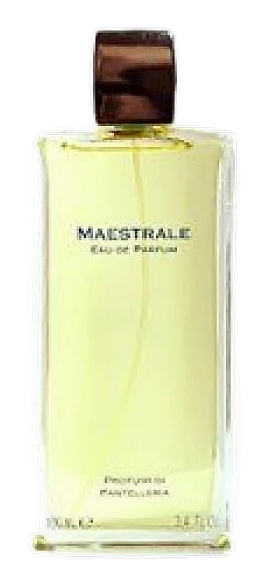
Maestrale is one of the earliest entries in Profumi di Pantelleria's collection, a line that draws directly from the Mediterranean island suggested by the house's name. Perfumer Maurizio Cerizza built the composition around an atmospheric idea: the sensation of moving air arriving sharp and fresh-spiced, turning everything it touches slightly electric. Rather than building around a conventional mood board of amber, leather, or aquatic tropes, the fragrance commits to the wind itself as its organizing principle. That commitment runs through every layer, from the rhubarb-lavender-cardamom opening that reads almost mineral on skin to the dry cedar-ambrette close that settles into something quiet and weather-worn.
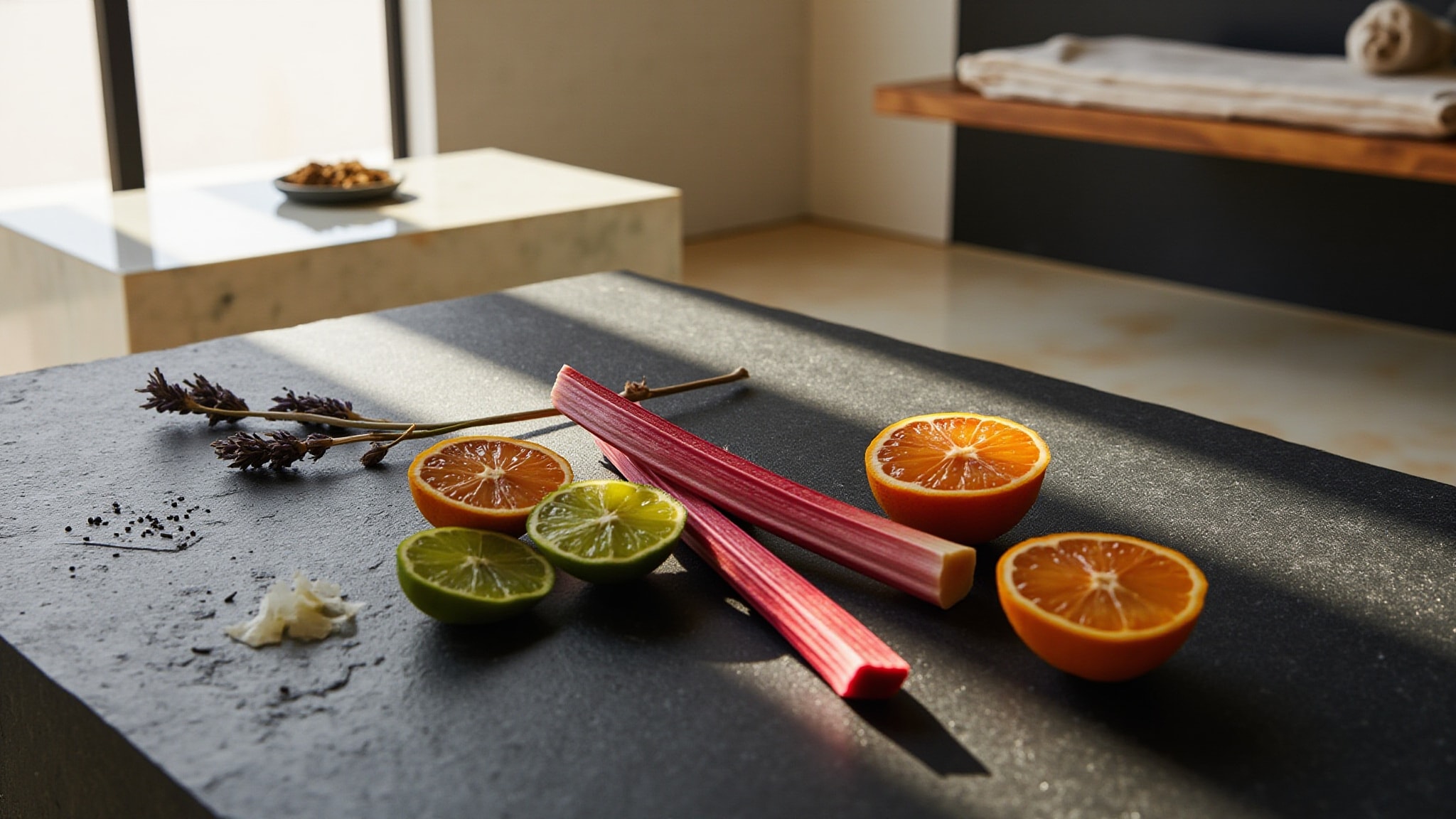
What makes the structure work is the rhubarb-lavender-cardamom axis. Rhubarb brings a green-tart sharpness that reads almost mineral when it hits skin, like cold air on exposed stone. Lavender grounds it in masculine aromatic territory without slipping into fougère cliché. The carnation warmth in the heart gives it a floral-spicy texture that feels old-fashioned in the best sense, less polished than the modern aromatic crowd and more willing to let a flower do real work. Cedarwood and ambrette seed finish it with a dry, musky woodiness that whispers rather than announces.
The evolution
The opening is almost startlingly sharp. Bergamot and rhubarb arrive together, cut by lavender, and the effect reads more like a cocktail than a cologne, something bitter, herbal, slightly astringent. Within the first half hour, cardamom and coriander warm into focus, and the composition pivots from cool and bracing to something spiced and rounded, the floral texture of carnation rising underneath. The heart holds for a solid stretch, and what becomes apparent is how quiet the iris stays, powdery and close, almost skin-like, never lifting into the soapy territory some iris can fall into. Past hour five, the cedarwood and ambrette seed take over completely. The vetiver adds a green-smoky edge underneath, and the whole composition settles into a dry, woody-musky drydown that stays intimate well into the evening.
Cultural impact
Maestrale holds a quiet position within Italian niche perfumery, the kind of release that rewards attention rather than demanding it. The composition draws from sources as varied as Hermès Un Jardin en Méditerranée and Le Labo Thé Noir 29, fragrances that share its herbal-spicy-aromatic architecture, but the rhubarb and ambrette pairing pushes it in a drier, less sweet direction than either of those references. What sets it apart is how directly it commits to a single atmospheric idea and lets that idea carry the entire weight of the composition. There's no concession to trend cycles, no note added to round it out for broader appeal.