The Story
Why it exists.
The beginning
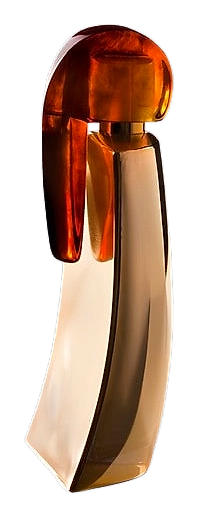
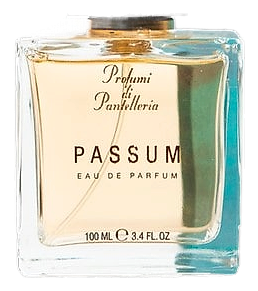
Passum draws its name from the passito winemaking tradition of Pantelleria, the practice of sun-drying Zibibbo grapes on straw mats until they concentrate into raisinated intensity. Maurizio Cerizza translated that idea of concentrate and gravity into scent: the volcanic weight of an island that sits between Sicily and Tunisia, pulling Mediterranean clarity and African heat into the same glass. The result smells like the island's terraced vineyards in late afternoon light, ripe, dried, and warmed by volcanic soil.
What makes Passum unusual is the way it holds amber warmth against dusty leather without ever going sweet. The iris powder keeps everything grounded, while the hazelnut leaf introduces a green, slightly bitter nuttiness that stops the composition from becoming a typical warm-weather amber. Camphor-like myrrh opens with an almost medicinal sharpness before softening. It's a leather scent that forgot to announce itself, and all the better for it.
The evolution
The opening announces itself dry, smoky, camphor-sharp, incense and myrrh lifting before settling into a dusty haze of hazelnut leaf. Give it twenty minutes. The camphor recedes, and iris arrives: powdery, soft, threaded with dry patchouli and Indian sandalwood. The heart holds for two to three hours, warm, close, powdery leather. Then the base: white musk and labdanum softening everything further, leather fading last, closest to the skin. Four to six hours total on most skin types, quieter than it started.
Cultural impact
Passum occupies a quieter corner of the Profumi di Pantelleria collection, a fragrance for those who found the brand through deeper exploration rather than trend lists. Its dusty, camphor-like opening keeps it from broad appeal, but the powdery leather drydown earns genuine devotion among those who stay with it.