Hazelnut Leaf
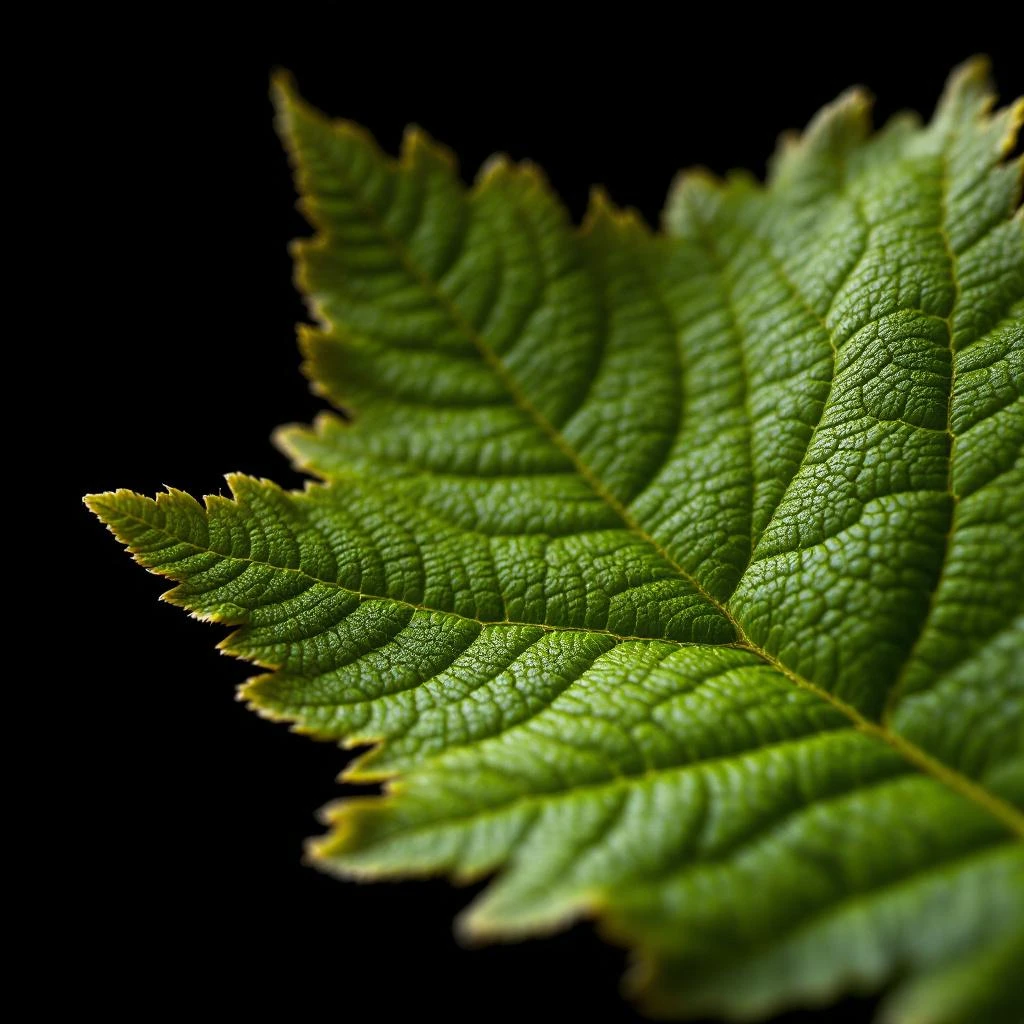
Hazelnut leaf offers a green, nutty whisper that brightens compositions, delivering crisp herbaceous tones with a subtle hint of roasted almond.
Character
How it smells
Green nutty nuance from hazelnut foliage.
Hazelnut leaves contain natural aldehydes that give a fresh, slightly bitter green note, a characteristic rarely found in other nut tree foliage.






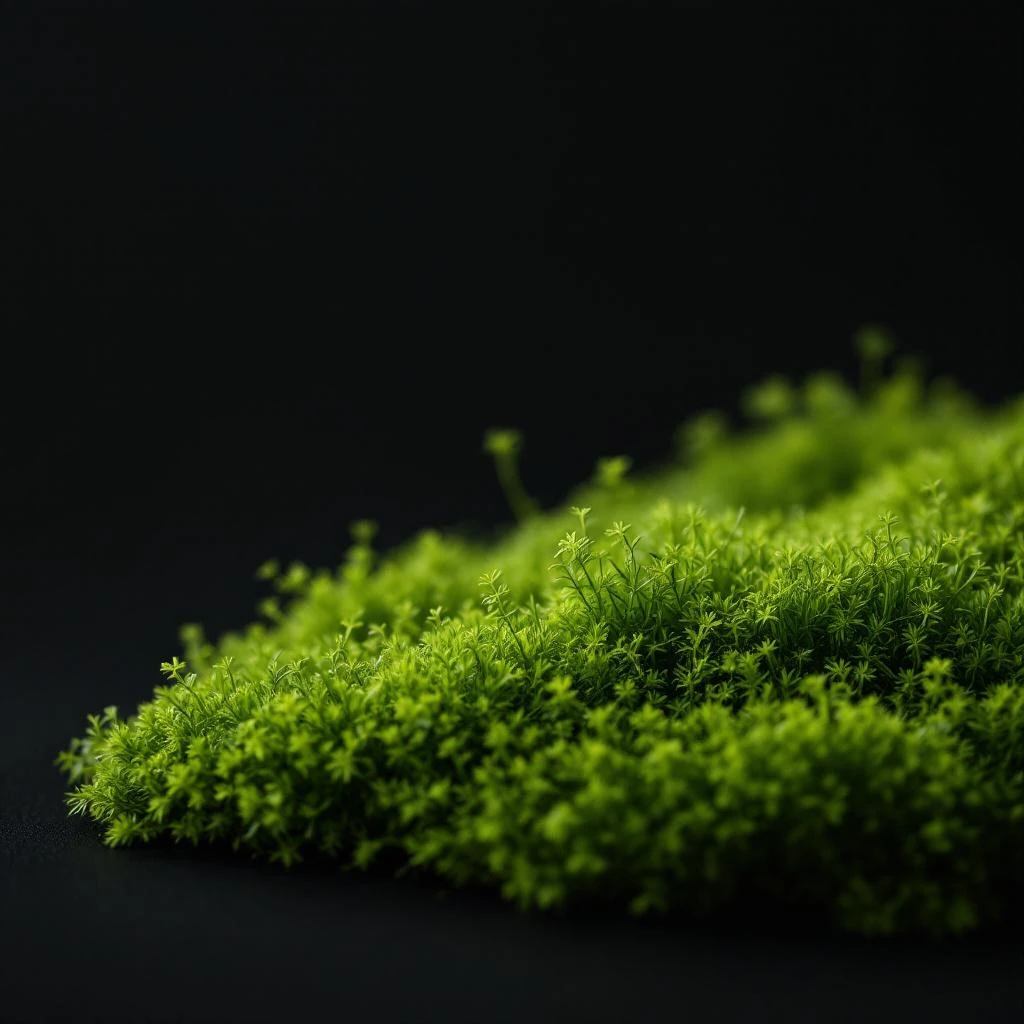
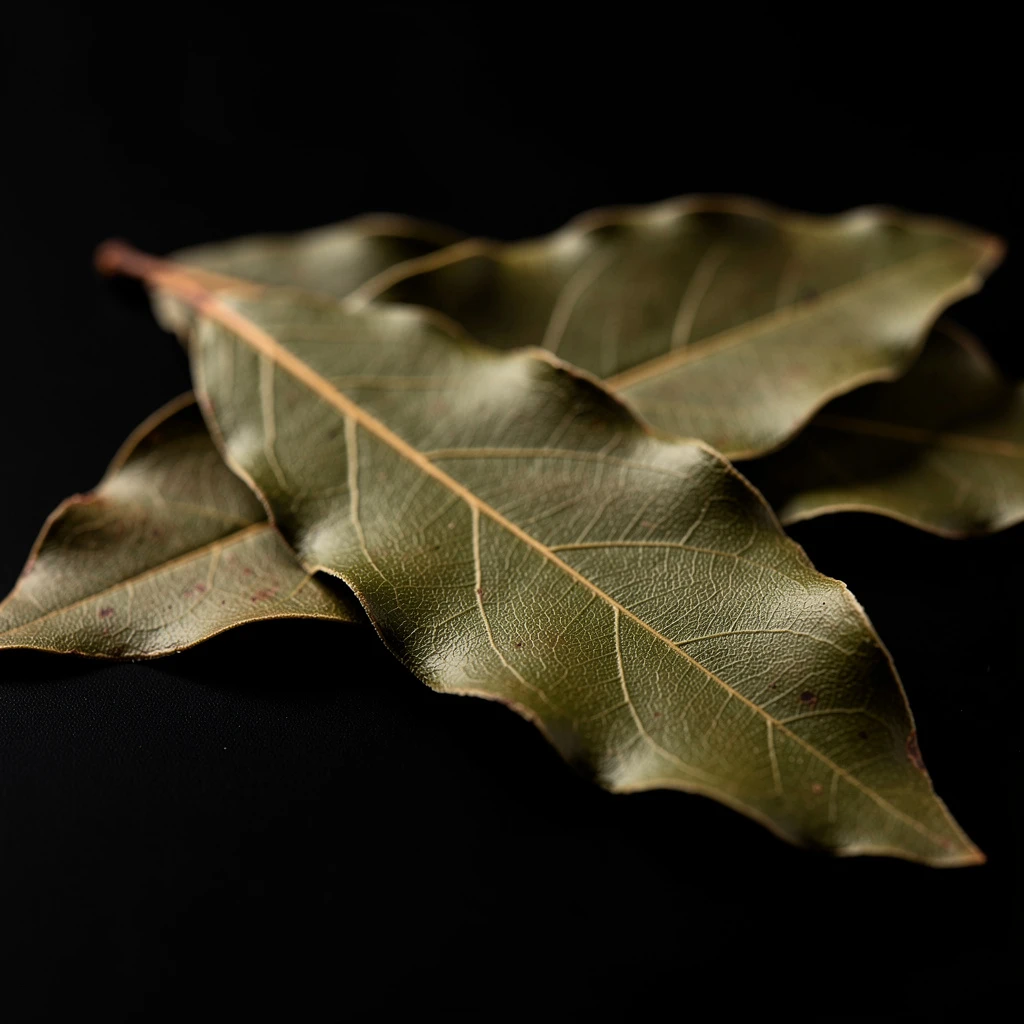
Origin
Turkey
The use of hazelnut parts dates back to ancient Egypt, where hazelnut oil appeared in aromatic waters for ritual cleansing. Medieval herbals recorded the leaf’s sharp scent, noting its ability to freshen indoor air. In the 19th century, French perfumers began experimenting with nut foliage, extracting a faint green essence that complemented the era’s emerging gourmand trend.
The introduction of CO₂ extraction in the 1990s revived interest, allowing a clean, reproducible leaf note without the heavy residues of older solvent methods. Today, hazelnut leaf is prized for its ability to add a natural green lift to both classic and contemporary fragrances, bridging the gap between botanical authenticity and modern olfactory design.
Wears it best
Fragrances featuring Hazelnut Leaf
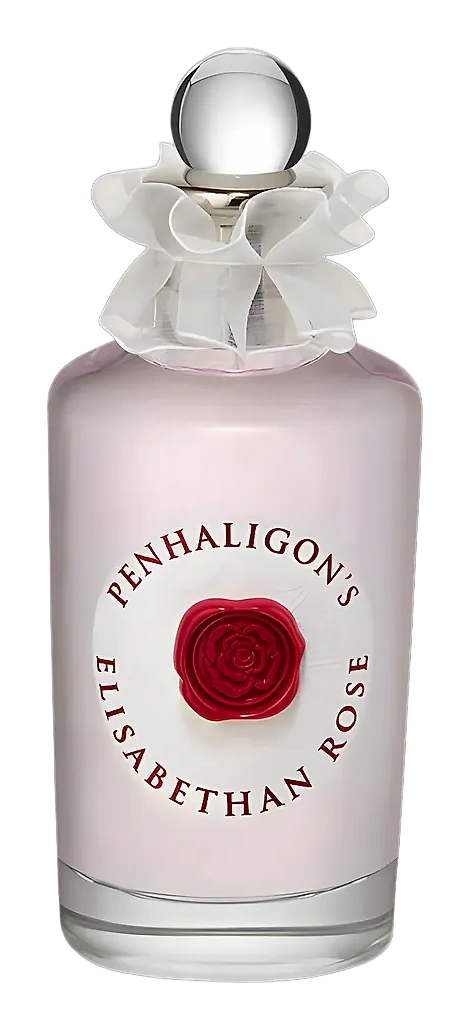
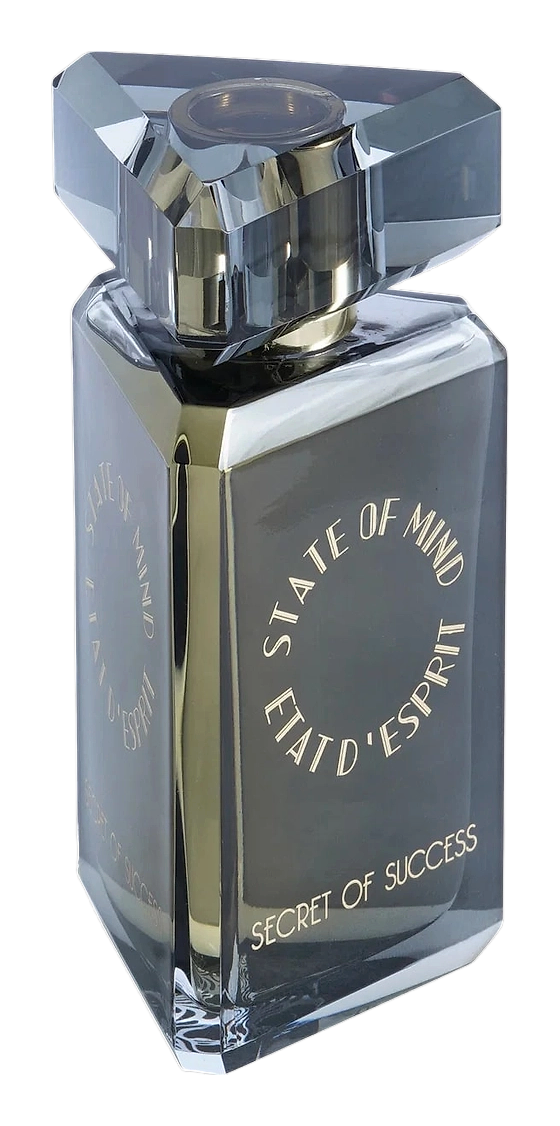
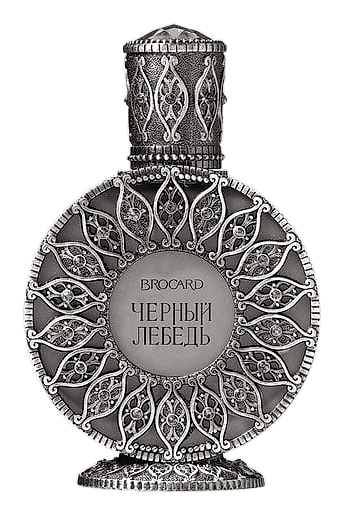
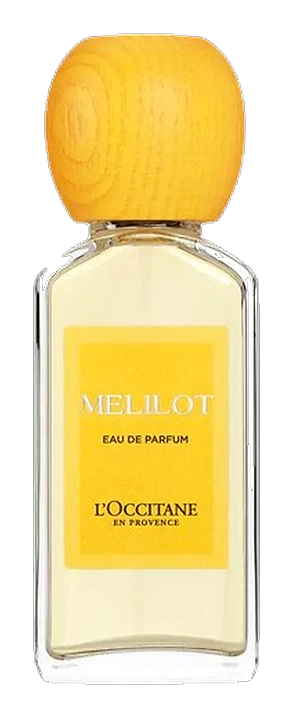
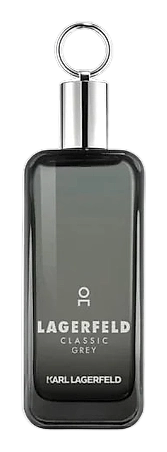
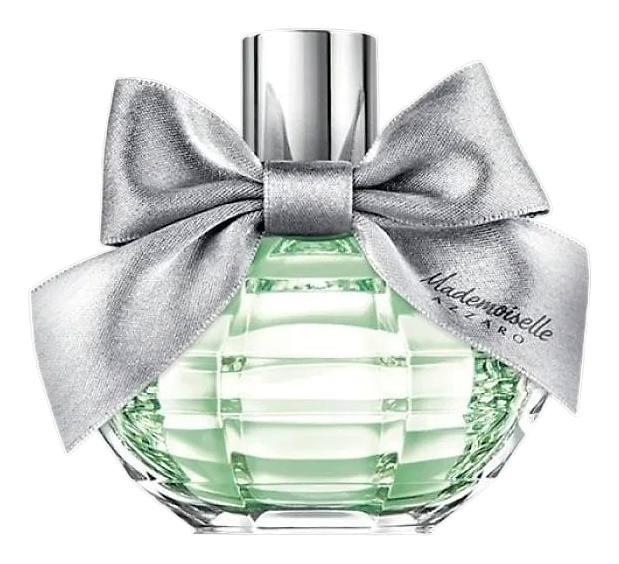
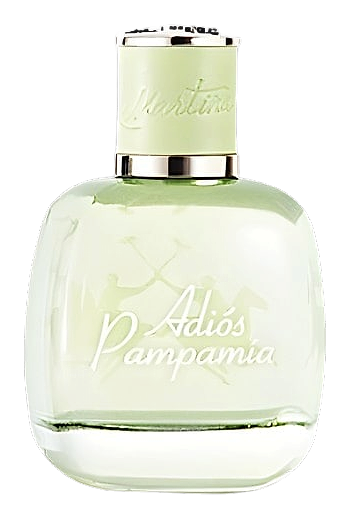
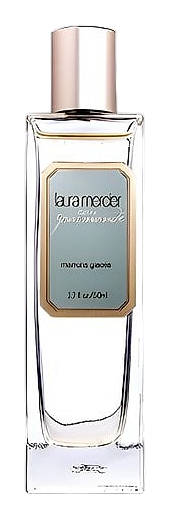
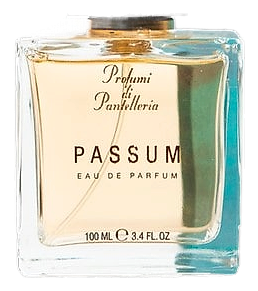

Brands
Brands known for Hazelnut Leaf
Good to know
Questions, answered
The essentials on Hazelnut Leaf in perfumery: how it smells, where it comes from, and how it behaves on skin.
What scent profile does hazelnut leaf provide?
Hazelnut leaf delivers a crisp, green aroma with a faint nutty undertone and a whisper of bitter almond. The note registers as fresh herbaceous, reminiscent of early spring foliage, and adds a subtle depth to gourmand or aromatic compositions in modern perfumery.
Is hazelnut leaf safe for use in cosmetics?
Hazelnut leaf is approved for use in fragrance applications under IFRA standards. It carries a low sensitization rating, and the 2022 IFRA Annex lists a maximum usage level of 0.5% in leave‑on products, making it suitable for most skin‑contact formulas when blended responsibly.
How does hazelnut leaf differ from hazelnut kernel in fragrance?
Hazelnut leaf and hazelnut kernel emit distinct profiles. The leaf offers green, herbaceous tones, while the kernel provides a warm, sweet, roasted almond scent. In a blend, the leaf lifts the composition, whereas the kernel adds richness and depth to the overall aroma.
Which extraction method preserves the green character best?
Supercritical CO₂ extraction preserves hazelnut leaf’s bright green aldehydes better than solvent methods. A 2021 study showed CO₂ extracts retained 85% of the leaf’s key (E)-2‑hexenal content, the molecule responsible for its fresh character, making it the preferred choice for natural perfumers.
Are there any IFRA restrictions on hazelnut leaf?
IFRA limits hazelnut leaf to 0.2% in spray products to control potential skin sensitization. The 2020 IFRA Annex cites a maximum of 0.2% for the ingredient in aerosol applications, ensuring consumer safety when used in combination with other fragrance materials.
Which perfume families commonly feature hazelnut leaf?
Hazelnut leaf appears most often in aromatic‑green and gourmand families. It brightens fougère structures and adds a natural edge to sweet chocolate accords. Perfumers also pair it with citrus or herbal notes to create contrast within a balanced composition for the nose.
How stable is hazelnut leaf in a blend over time?
Hazelnut leaf maintains its green character for several months when stored in dark, cool conditions. Analytical data from 2020 shows less than 5% loss of (E)-2‑hexenal after six months at 4 °C, indicating good stability in typical fragrance formulations overall performance.
Can hazelnut leaf be combined with synthetic notes?
Hazelnut leaf blends well with synthetic green notes such as iso‑E super and aldehydic compounds. Using a 1:3 ratio of leaf extract to iso‑E super yields a balanced, bright opening without overwhelming the natural nuance in most modern compositions today.