Heritage
A house, in its own words
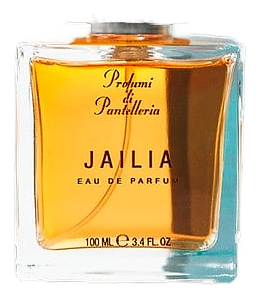
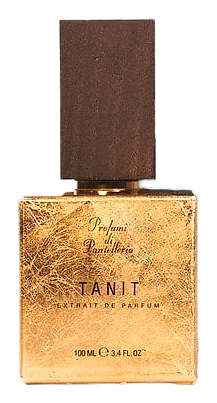
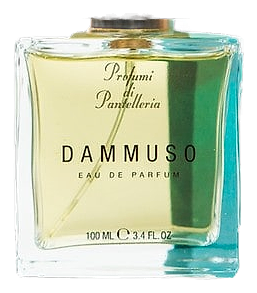
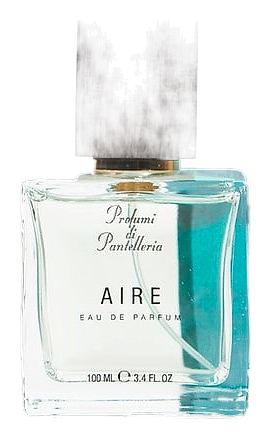
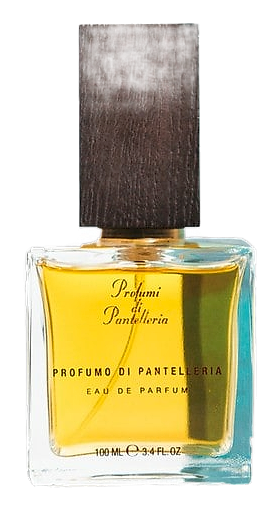
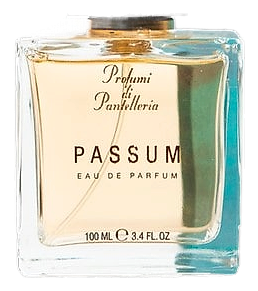
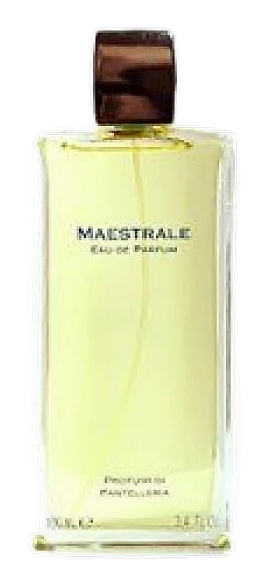
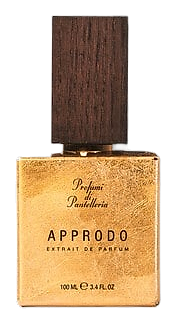
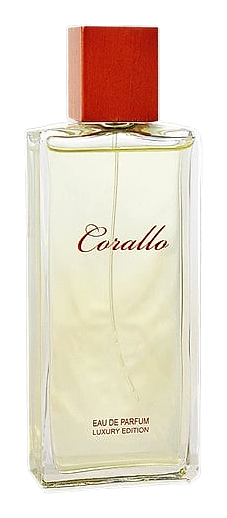
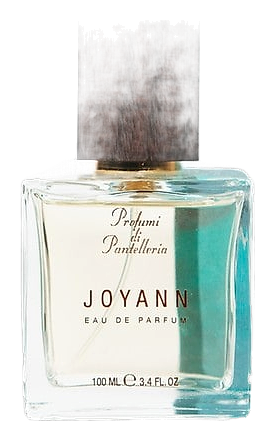
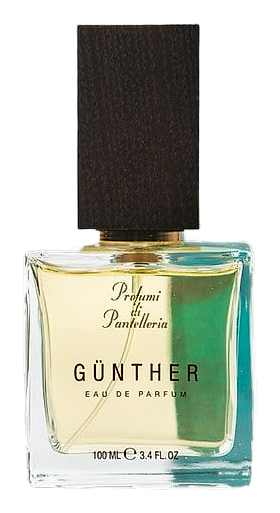
Profumi di Pantelleria emerged in 1997 from an interest in capturing the essence of a specific Mediterranean island. The brand's foundation lies in the desire to translate Pantelleria's distinctive character into olfactory form, drawing on the island's volcanic geology, terraced agriculture, and position as a crossroads between African and European influences. Founded in the late 1990s, the brand entered the fragrance market during a period when niche perfumery was establishing itself as a distinct category separate from commercial designer fragrances. Pantelleria itself has a long history of cultivation, particularly of capers and Zibibbo grapes, which grow in the island's volcanic soil. The brand's naming conventions reflect this terroir, with fragrances taking titles from local landmarks, wind directions, and architectural forms. Profumo di Pantelleria, released in 1998, served as the foundational expression of the brand's artistic premise. Subsequent releases expanded the collection while maintaining the geographic specificity of the original concept. The brand operates from Italy, with distribution extending to specialty retailers including retailers in New York City. Each fragrance in the line represents a distinct interpretation of the island's character, developed with different perfumers rather than following a single house aesthetic. The creative vision of Profumi di Pantelleria centers on place-making through scent, treating each fragrance as an olfactory portrait of a specific location or natural phenomenon on the island of Pantelleria. Rather than developing a house style or signature accord, the brand commissions individual perfumers to interpret discrete aspects of the island's geography and atmosphere. This approach results in a collection where each fragrance carries its own olfactory identity while remaining connected through the shared geographic source material. The philosophy treats the island not as a vague inspiration but as a specific brief, with fragrance names referring to actual places, wind patterns, or architectural forms found on Pantelleria. The brand does not appear to apply the language of luxury or exclusivity to itself, instead letting the specificity of its geographic focus serve as its distinguishing characteristic. Each perfume in the line is understood as an interpretation of its named referent, with the perfumer working from the character of the source material rather than from a predetermined house formula. The approach suggests that the island's complexity is sufficient to generate multiple distinct fragrances without exhaustion of the subject matter.