The Story
Why it exists.
The beginning
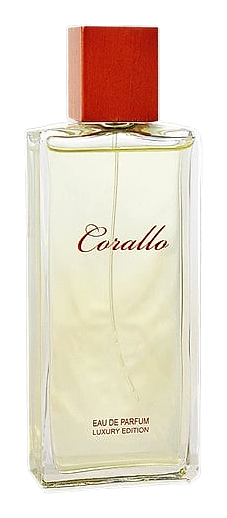
Corallo, launched in 2012 and composed by Maurizio Cerizza, translates a specific corner of Pantelleria into scent. The Mediterranean island of Pantelleria is the source, an ancient, sun-baked landmass that holds its own microclimate and its own flora. Profumi di Pantelleria treats the island as its single subject, building a collection that reads like a map of one place rather than a tour of many. Corallo sits within this project as one of the island's portraits, a fragrance that takes its name from a feature of the local terrain and works to render that feature in olfactory terms.
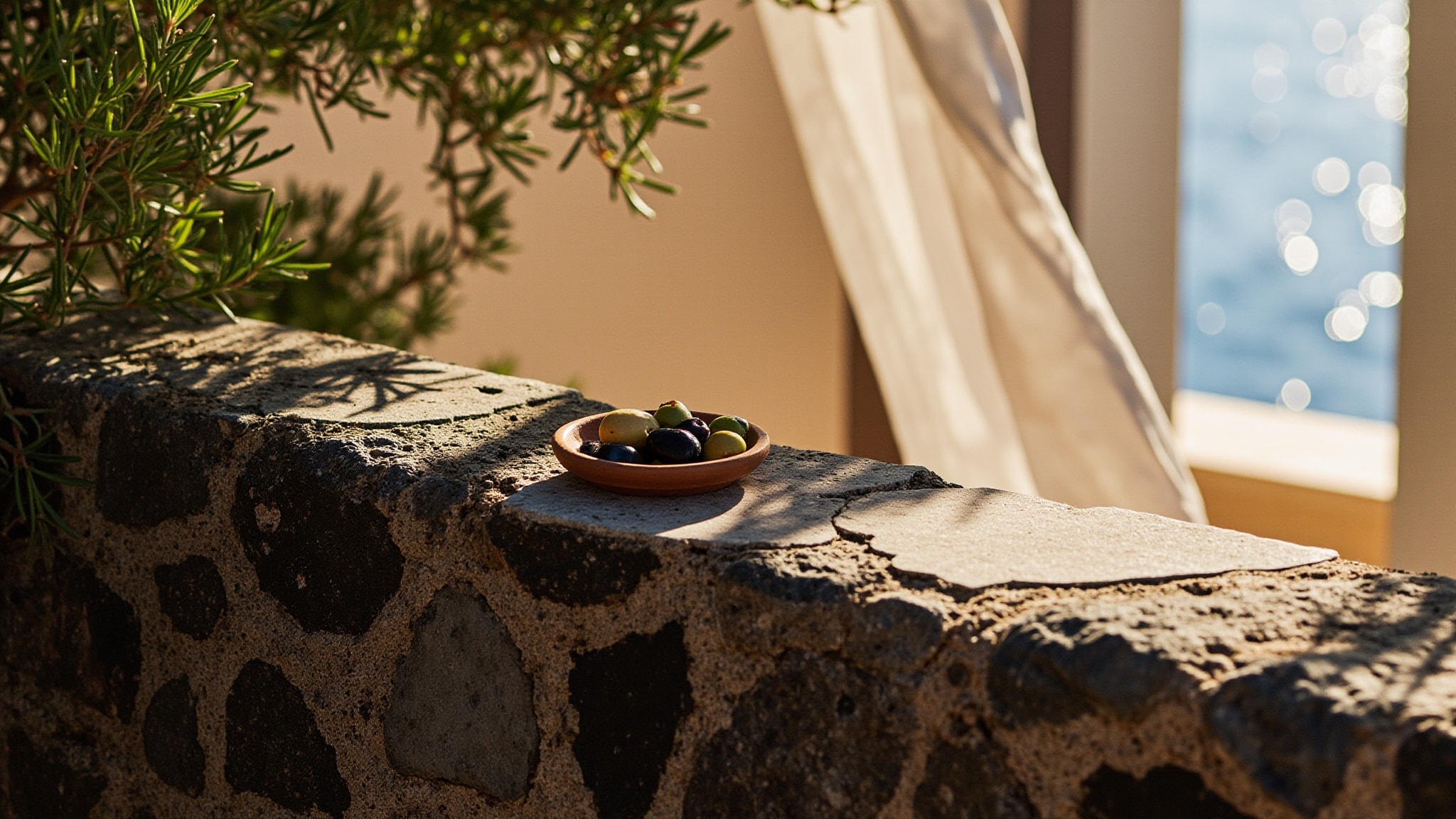
What sets Corallo apart is the unusual thread Cerizza pulls through the composition. Black olive and caper enter the formula, two ingredients that carry the taste of brine and weathered stone rather than anything resembling a culinary herb garden. The immortelle in the heart introduces a dry, almost burnt-sugar warmth that keeps the rosemary and thyme from reading as simply fresh and herbal, giving the whole thing a baked, resinous undertone.
The evolution
The first ten minutes belong entirely to the top: rosemary and thyme arrive sharp and assertive, cut by the briny green snap of olive and caper. There's nothing polite about it, more like standing at the edge of a rocky shore than opening a bottle. As the herbs recede, the immortelle opens, warm, slightly caramelized, like sun-heated resin on dry stone. Jasmine threads through quietly, and water lily adds a cool aquatic hush that softens the whole composition without making it sweet. By the second hour, the drydown takes over. White musk and ambrette seed form a skin-like warmth that's almost imperceptible from a distance, while amber adds a faint golden sweetness underneath.
Cultural impact
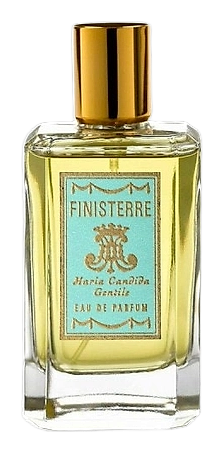
Corallo belongs to a small category of fragrances built around evoking a specific place rather than a mood or an abstract idea. It's been compared to other coastal-leaning compositions like Sel Marin by Heeley and Finisterre by Maria Candida Gentile, both of which appear on similar-fragrance lists and share Corallo's salt-tinged, terrain-driven sensibility. What distinguishes Corallo from these references is how far it leans into the herbal and rocky, the rosemary and thyme grounded by olive and caper rather than steering purely aquatic.