Black Olive
Black Olive leaf absolute carries the dusty, green soul of Mediterranean hillsides into fragrance. Its herbaceous bitterness and mineral warmth evoke sun-baked soil and gnarled trunks standing for centuries.
See fragrances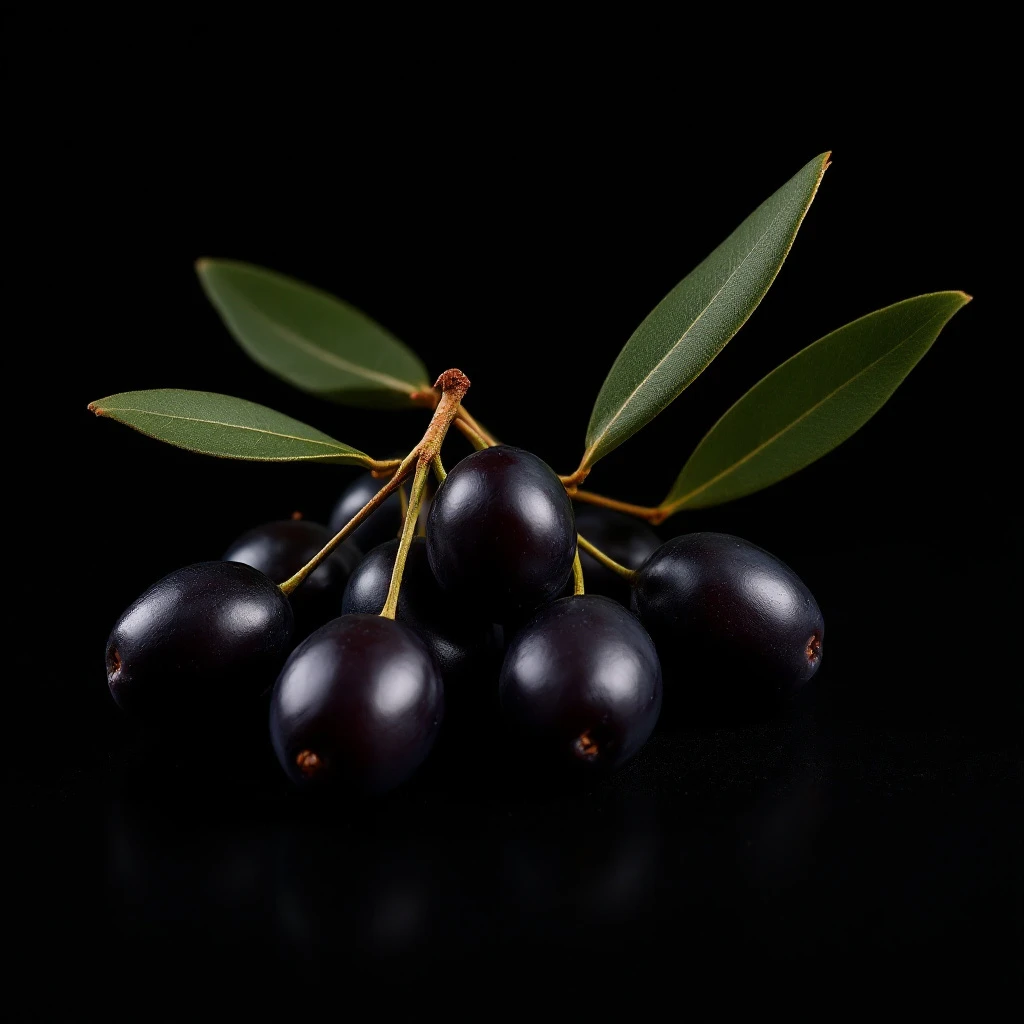
Character
How it smells
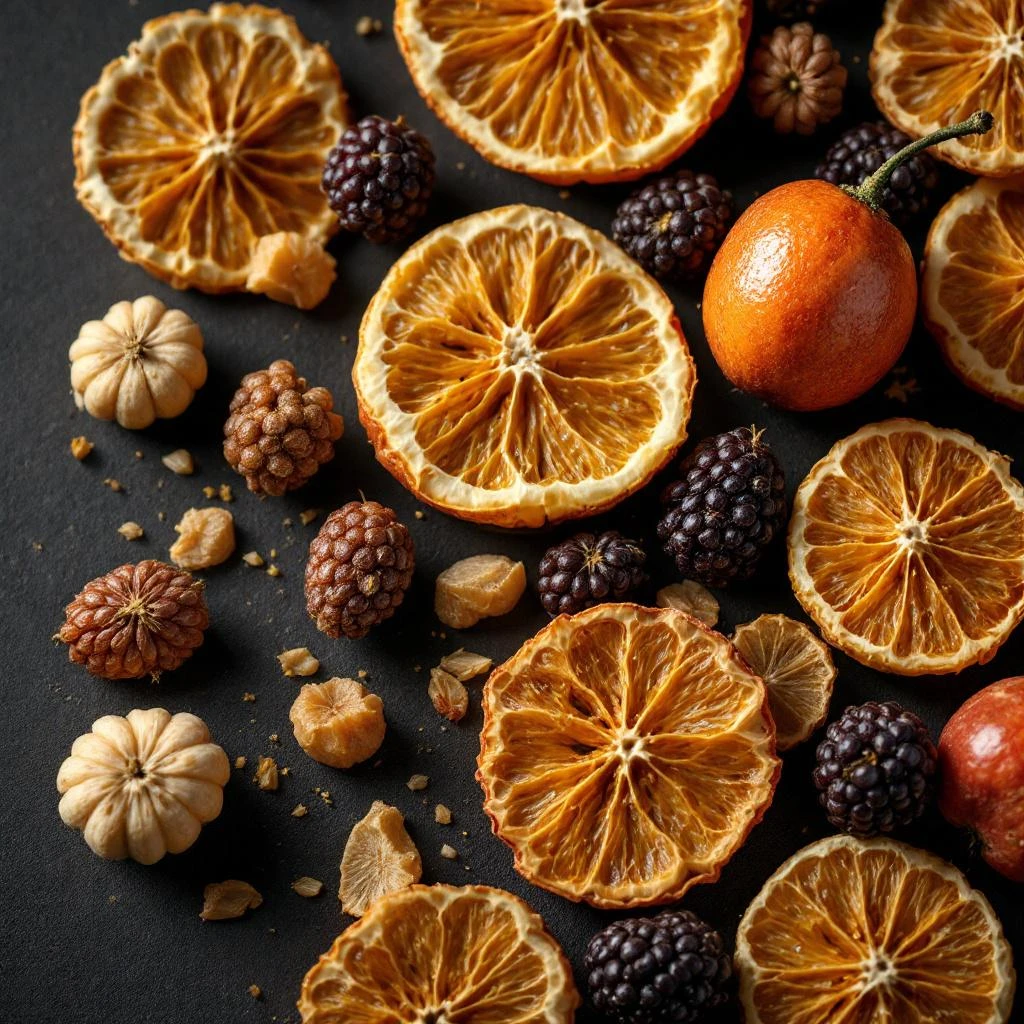
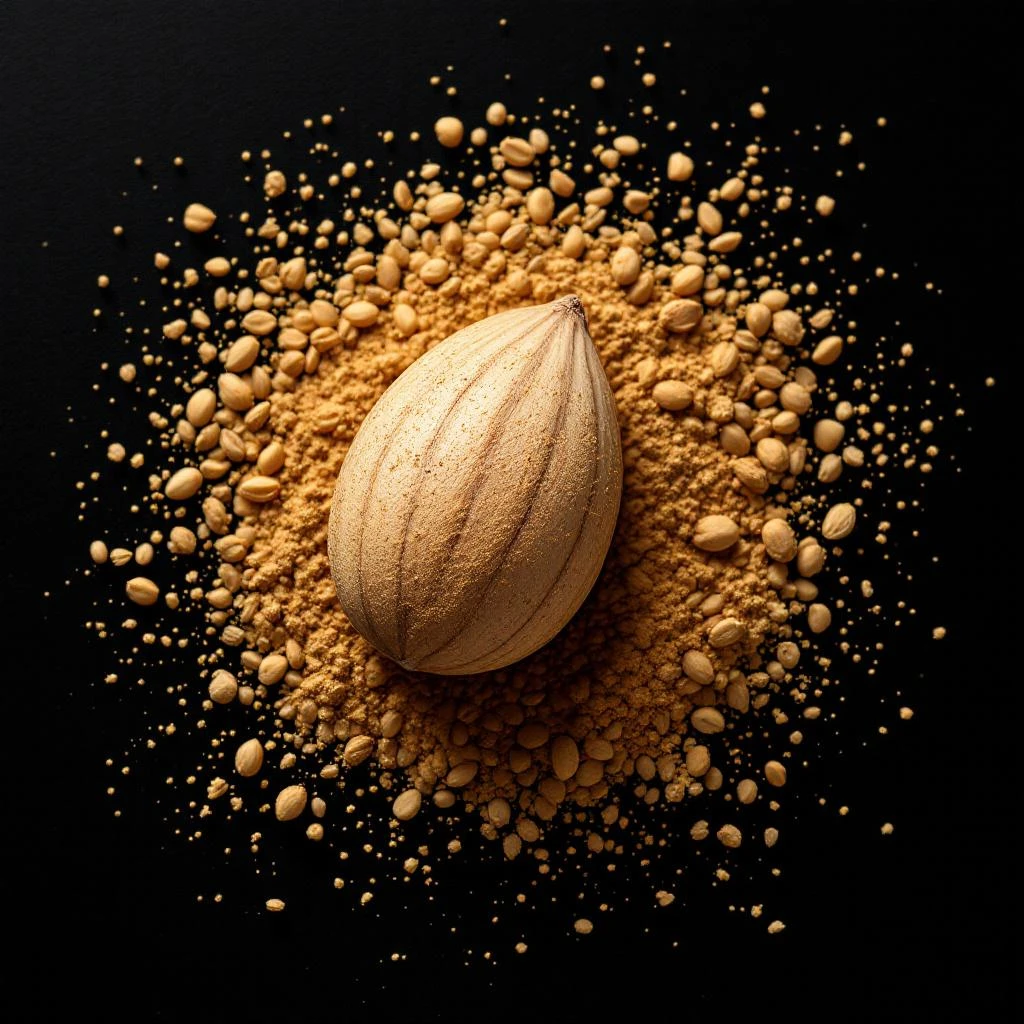
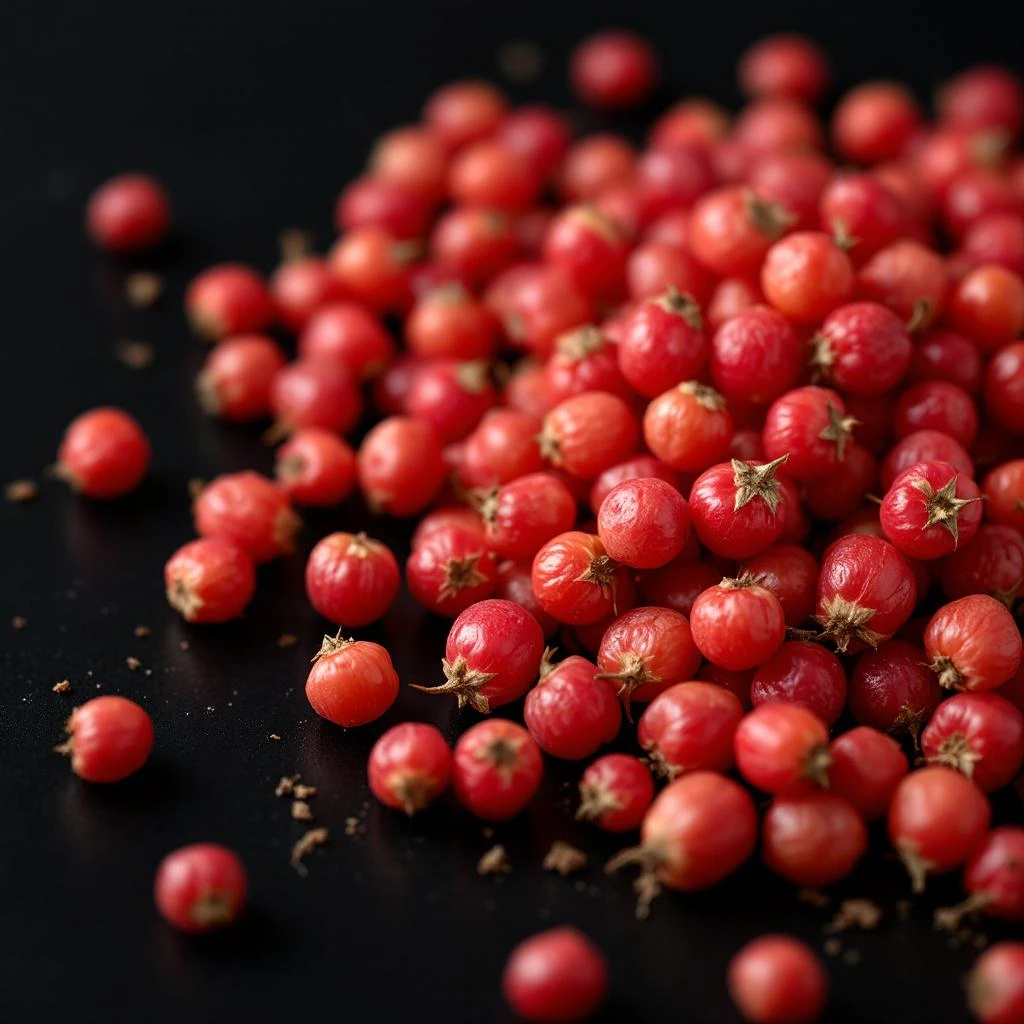
Mediterranean greenery distilled into olfactory form
Olive leaf absolute contains oleuropein, the same compound responsible for the characteristic bitterness of olive oil.



History
The story
The olive tree has accompanied Mediterranean civilizations for at least 6,000 years, its history intertwined with the development of perfumery long before modern fragrance existed. Archaeological evidence shows ancient people extracted fragrance from plants using olive oil as a base medium.
The earliest known perfume factory, discovered in Pyrgos, Cyprus and dating to approximately 2000 BCE, operated near olive oil production facilities. This proximity suggests olive oil served as a primary perfume carrier throughout antiquity, linking these two industries from their earliest origins.
Greek culture held the olive tree in sacred regard, considering it a gift from Athena and a symbol of wisdom, peace, and prosperity. Olive oil functioned in religious ceremonies, medicinal applications, and cosmetic preparations. While olive oil itself dominated ancient perfumery, olive leaves received recognition for their own symbolic and practical value across Mediterranean cultures.
Olive leaf absolute emerged as a distinct perfumery material primarily during the twentieth century, when perfumers sought non-floral botanicals to construct new fragrance families. By combining vetiver, oakmoss, and other non-floral materials with green leaf extracts like Black Olive, creators developed distinctly Mediterranean olfactory traditions. Today it appears in chypre bases, aromatic-green fragrances, and fougere compositions, valued for its ability to evoke Mediterranean landscapes and ground compositions with botanical authenticity.
Wears it best
Fragrances featuring Black Olive


Brands