Molasses
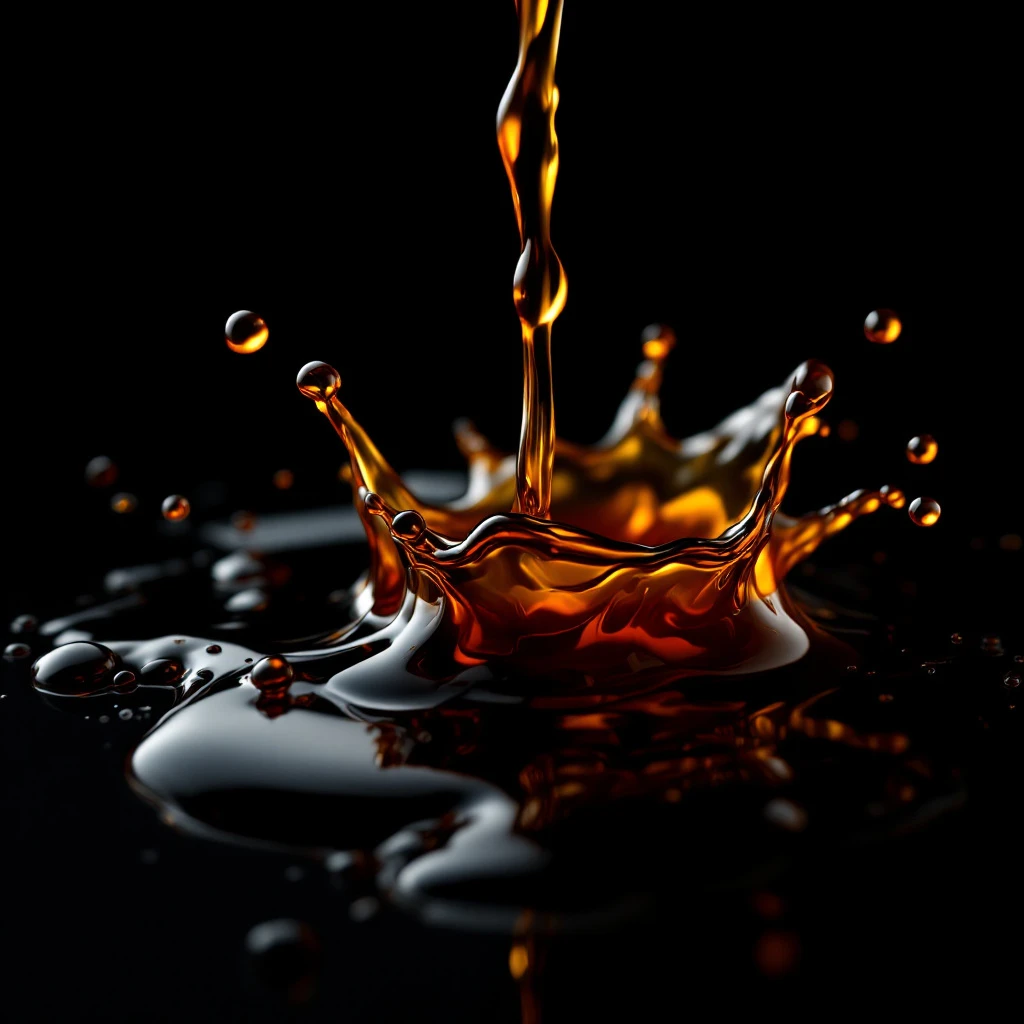
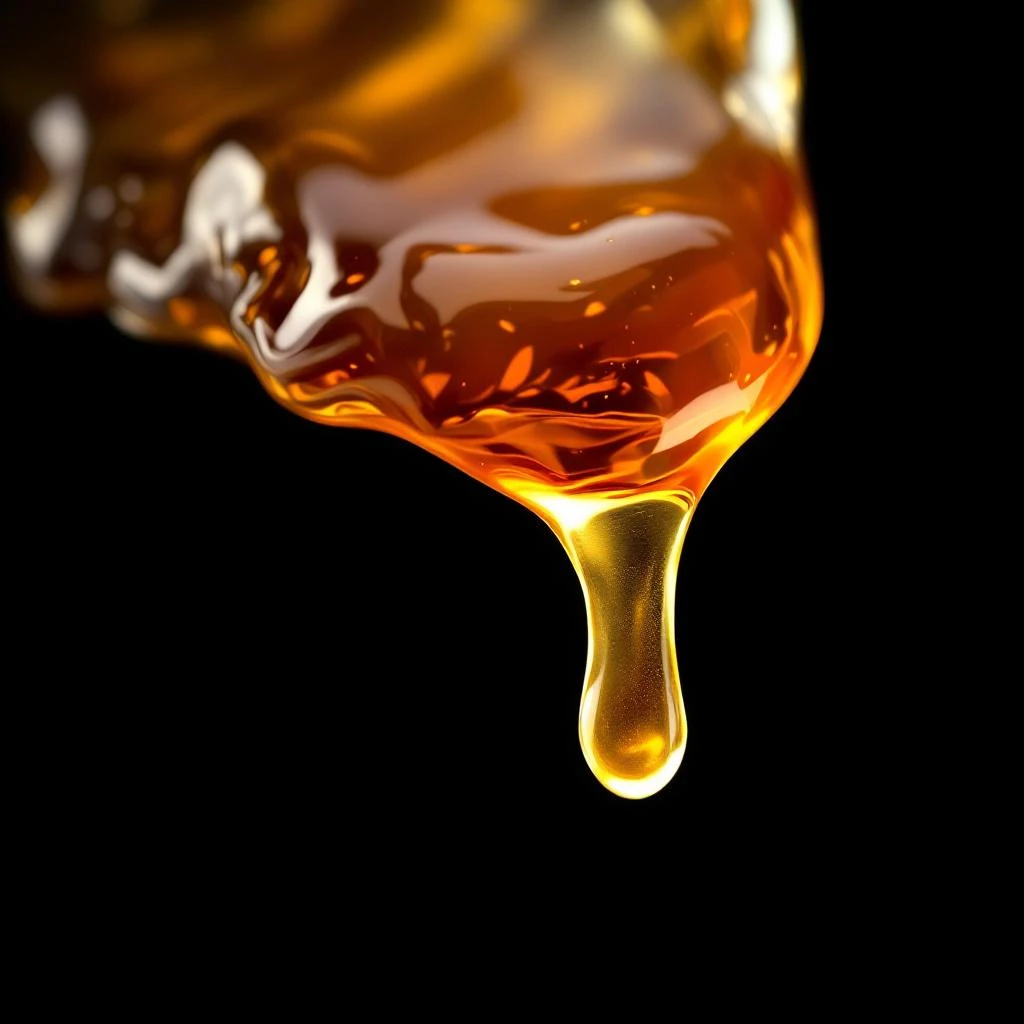
Molasses brings deep caramel warmth and rich, syrupy sweetness to perfumery, lending edible depth to oriental and Gourmand compositions.
Character
How it smells
Liquid caramel warmth, bottled from cane.
A single barrel of molasses yields only tiny amounts of usable aromatic concentrate, making molasses-based perfumery materials exceptionally rare.



Origin
India
Molasses traces its fragrance heritage to ancient sugar cane cultivation in India, where the Indus Valley civilization refined techniques for processing the crop by 3300 BC. Medieval Arab perfumers, including Al-Kindi in the 9th century, documented using sugar-derived materials in their formulations, establishing foundations for later European exploration.
When European sugar refining expanded during the Renaissance, perfumers gained access to concentrated syrups and their aromatic byproducts. By the late 19th century, as modern perfumery emerged alongside synthetic aroma compounds, molasses derivatives found their niche in oriental fragrance families where their warmth and sweetness could anchor more complex compositions.
Wears it best
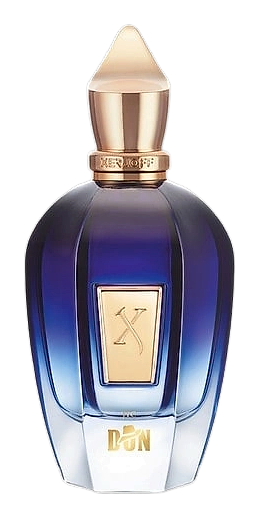
Fragrances featuring Molasses
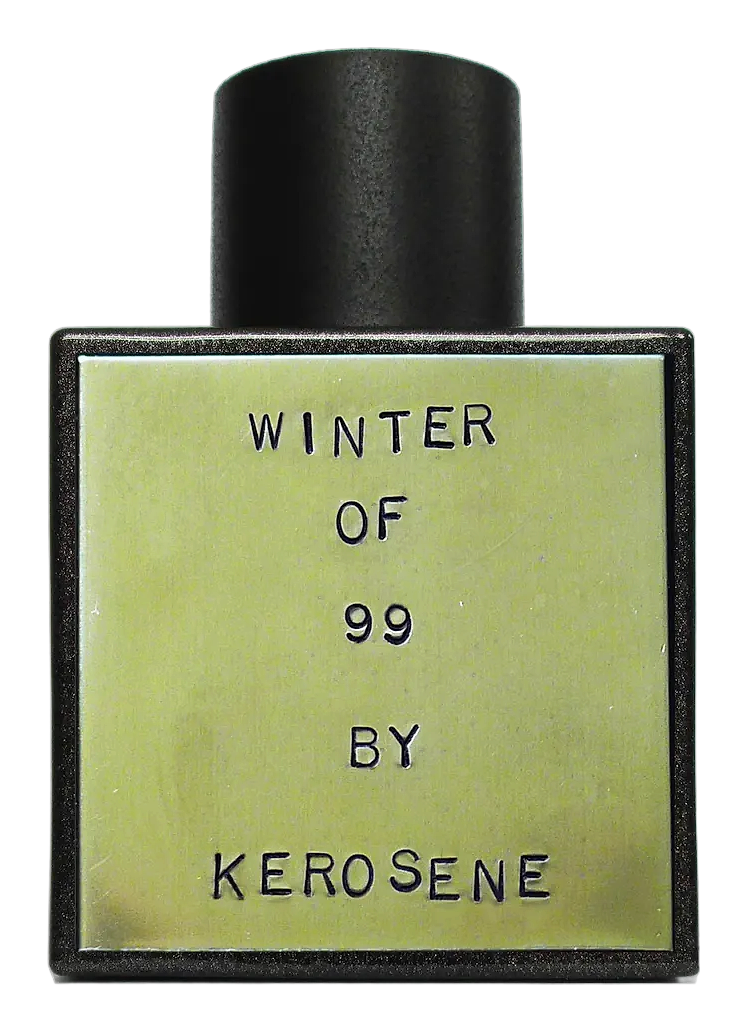
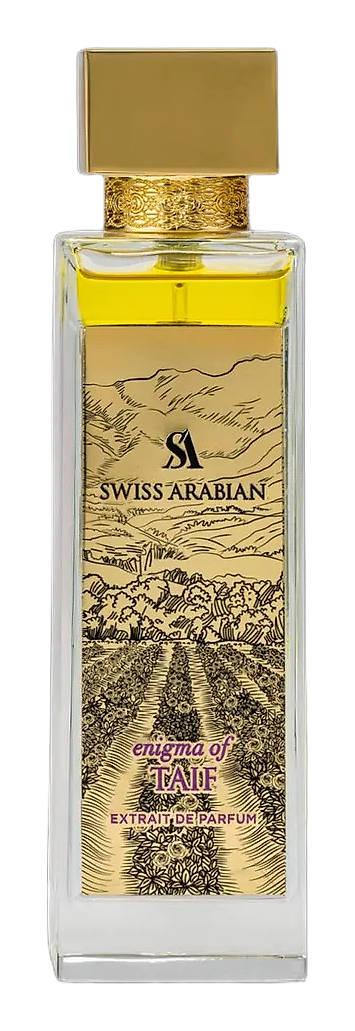
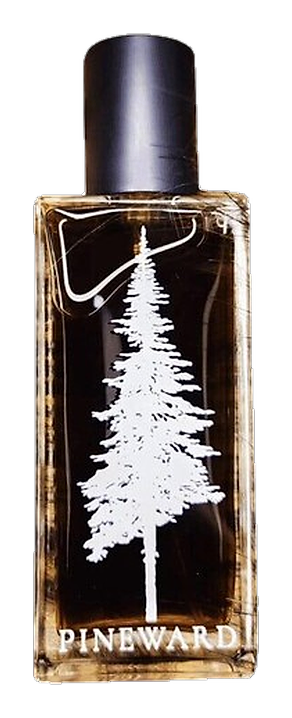
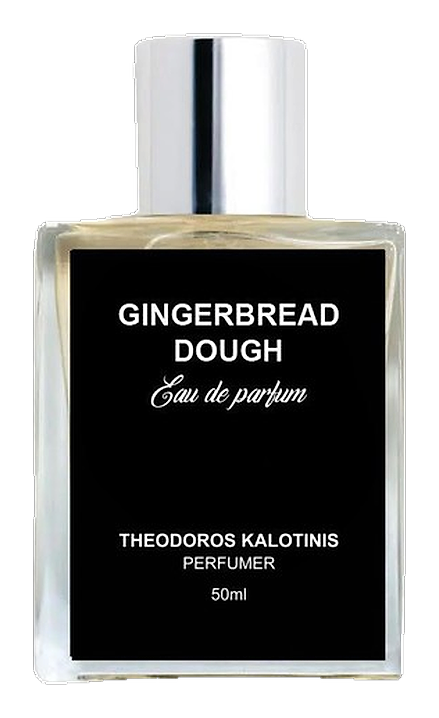
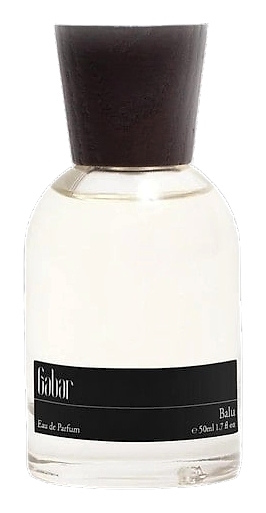
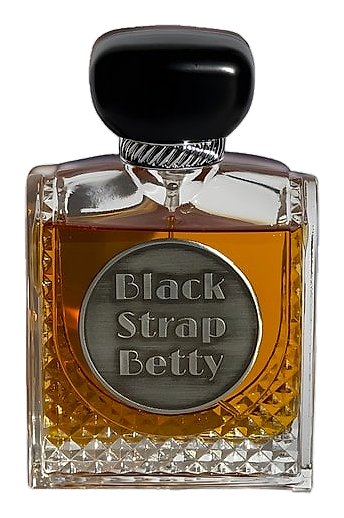
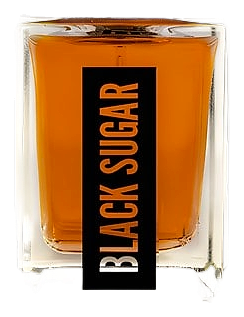
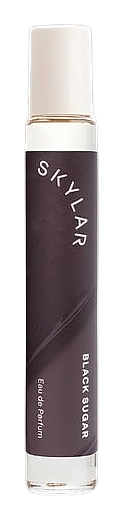
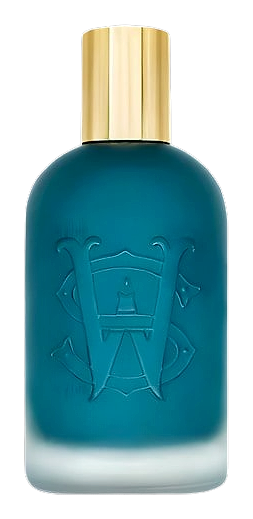
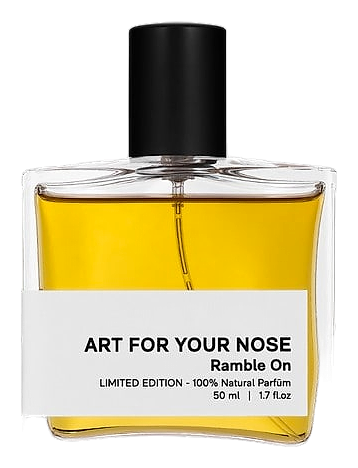
Brands
Brands known for Molasses
Good to know
Questions, answered
The essentials on Molasses in perfumery: how it smells, where it comes from, and how it behaves on skin.
What does molasses smell like in perfumery?
Molasses delivers rich caramel sweetness with deep toasty undertones. The scent reads as warm, syrupy, and edible—like brown sugar dissolved in dark amber. Perfumers value it for adding dimensional sweetness that feels natural rather than synthetic.
Is molasses a natural or synthetic ingredient?
Molasses is a natural ingredient sourced from sugar cane processing. Perfumery uses include solvent-extracted concentrates and derived compounds like furfural, which provide characteristic warm notes. The material appears more frequently as supporting aroma technology than as a listed note.
Which fragrance families use molasses?
Molasses appears mainly in oriental and Gourmand fragrance families. It functions as a base note modifier, adding warmth and edible sweetness to compositions that already feature amber, vanilla, or sugary accords. It works behind the scenes more often than as a focal point.
Does molasses have any therapeutic uses in perfumery?
Beyond aroma, molasses-derived materials contribute fixative properties that help fragrances last longer on skin. The sugar cane origin also gives certain molasses extracts natural antioxidant qualities that support fragrance stability over time.
Can molasses trigger allergies?
As with many natural materials, molasses-derived extracts may contain compounds that affect sensitive individuals. IFRA guidelines address furfural levels in finished products. Those with specific fragrance sensitivities should test perfumes containing molasses accord materials.
How much molasses is used in perfumery?
Molasses-based materials function as modifiers rather than primary ingredients. Concentrations typically stay low, often below 2% of a formulation, because the material is powerful. Perfumers use it sparingly for effect rather than volume.
What fragrances feature molasses notes?
Molasses accords appear most often in oriental and Gourmand perfumes that emphasize caramel, tonka, or warm vanilla bases. The material works alongside ingredients like benzoin, vanilla, and labdanum to create richly sweet dry downs.
What is the history of molasses in fragrance making?
Molasses gained prominence during the Renaissance when European sugar refining expanded. Medieval Arab perfumers, including Al-Kindi, documented sugar-derived materials in 9th-century formulas. Indian sugar cane processing dates to the Indus Valley civilization around 3300 BC.