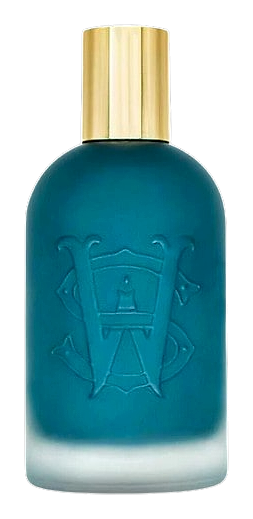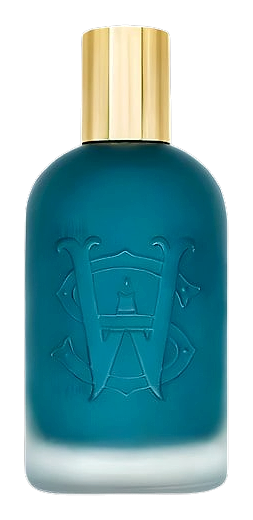

The Story
Why it exists.
The beginning
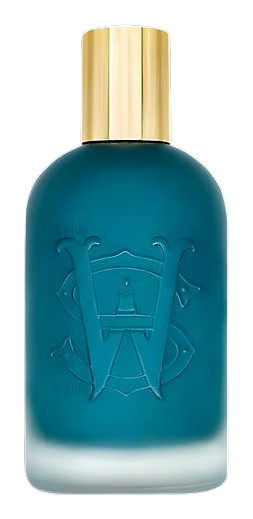
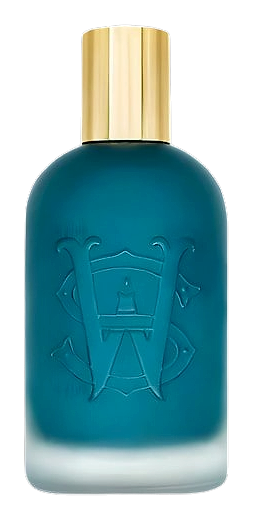
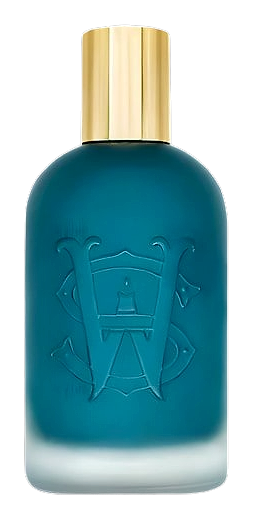
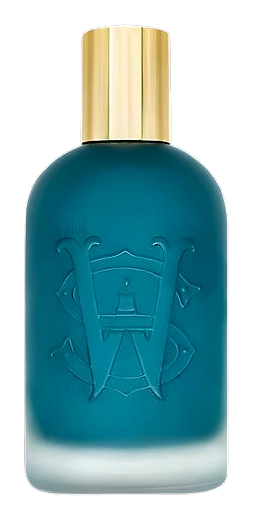
Kenneth Orbeck built Brown Sugar around a simple premise: what happens when edible sweetness meets powdery warmth and neither one backs down? The brief was straightforward, the scent had to smell like something worth eating, without crossing into confectionery territory. Almond and brown sugar share a natural affinity; both carry that roasted, slightly caramelised quality that reads as indulgent rather than juvenile. Molasses anchors the heart with a deep, sticky sweetness that reinforces the name without becoming literal. The challenge was keeping it grounded. Peach provides exactly that, a fruity lift that stops the sweetness from cloying, giving the composition air to breathe. Iris in the base adds the powdery finish that elevates the whole thing above simple gourmand territory. It's the detail that separates something pleasant from something worth wearing repeatedly.
The combination of molasses and almond is unusual. Molasses is thick, almost dark, the residue of sugar processing, all toffee and burnt edges. Almond is nutty, marzipan-sweet. Together they create a sweetness that feels earned rather than added, the way brown sugar in baking doesn't just sweeten but deepens. The citrus top notes, lemon and mandarin, arrive first and fade fast, but their job is crucial: they wake the composition up, keep it from starting too heavy. By the time they fade, the peach has arrived, and the transition is seamless. The powdery iris in the base is where the fragrance earns its longevity.
The evolution
The opening hits bright and citric. Lemon zest and mandarin oil give it a sharp, almost cleaning-fresh quality that lasts about fifteen minutes before the almond arrives and softens everything. That transition is where the fragrance becomes itself, the citrus doesn't disappear, it dissolves into a warm, edible sweetness that smells like the moment brown sugar begins to caramelise. The peach appears around the thirty-minute mark and carries the heart for the next two to three hours, sweet and slightly tart, never overpowering. By hour four, the amber and iris take over. The sillage drops to intimate, close enough to smell if someone leans in, but the warmth on skin remains. Eight hours in, on fabric, there's still a faint trace of that powdery iris, a ghost of the sweetness that started it all.
Cultural impact
Brown Sugar occupies a comfortable middle ground in the independent fragrance world, sweet enough to appeal broadly, powdery enough to feel considered rather than simple. The Saltworks Company's broader catalogue runs from bright nature-inspired releases like Sun Garden to darker concentrated scents, and Brown Sugar fits into a softer corner of that spectrum. It isn't trying to challenge conventions or make a statement. It's trying to smell good and last. For collectors who have worked through the Discovery Set and moved on to full bottles, this is the kind of fragrance that represents why they started in the first place: something warm, wearable, and honest.
The House
The Saltworks CompanyThe Saltworks Company is an independent fragrance house based in the United Kingdom. Since its launch in 2013 the brand has built a catalogue of more than fifty scents, each created from original formulas developed in‑house. The line includes stand‑alone releases such as Calypso, Pomegranate Amber and Sun Garden, as well as seasonal offerings like Rainstorm and Cherry Oakee. Saltworks emphasizes long‑lasting wear and offers a Discovery Set that lets collectors sample a curated selection before committing to a full bottle. The brand’s approach blends a laboratory‑like focus on composition with a boutique‑scale production model, positioning it as a quiet alternative to mass‑market perfume houses.
The Creator
Kenneth OrbeckOrbeck favors ingredients that echo the body’s chemistry. He reaches for soft woods such as sandalwood and cedar, grounding herbs like sage, and light florals that mirror estrogenic cues, including neroli and clary sage.