Caper
Caper brings a distinctive briny, green character to perfumery, evoking Mediterranean cliffs and sun-soaked coastlines. This uncommon ingredient adds sharp herbal freshness that cuts through richer compositions, creating an unmistakable coastal atmosphere.

Character
How it smells
Mediterranean brine captured in scent.
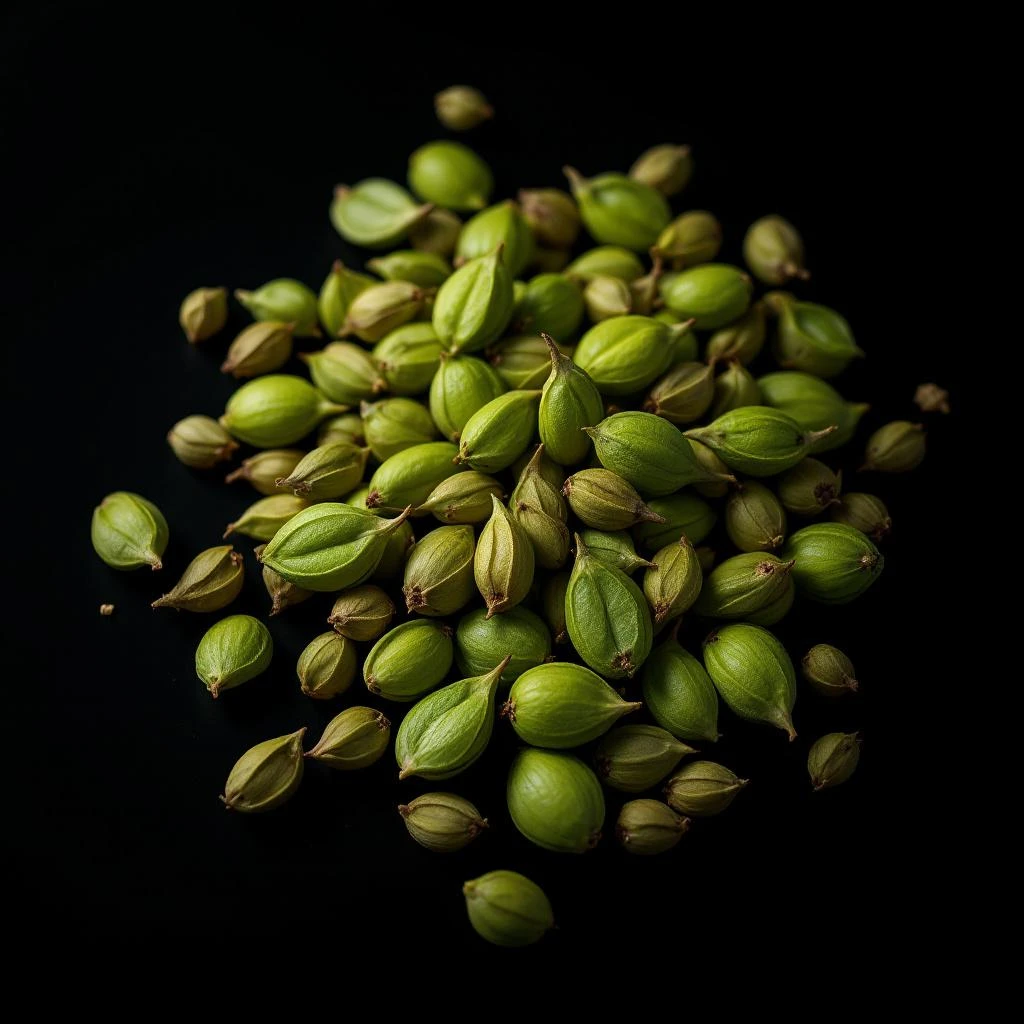
Harvesters collect only unopened buds at dawn. Once flowers open, aromatic intensity drops noticeably, making timing critical.






Origin
Italy
Capparis spinosa has grown wild across Mediterranean cliffs and coastal walls for millennia. While culinary use dates to antiquity, perfumery adopted caper only in recent decades.
Mediterranean perfumers discovered that the unopened bud carried aromatic compounds suited to modern fragrance needs, adding maritime freshness that traditional ingredients could not replicate. Italy and Greece remain primary sources, where wild plants thrive in rocky terrain exposed to sun and sea spray.
Wears it best
Fragrances featuring Caper

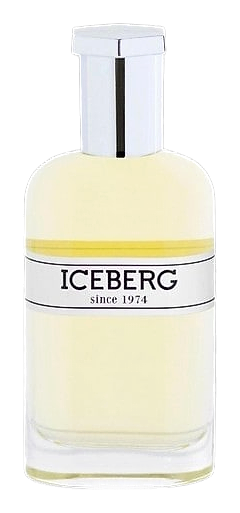
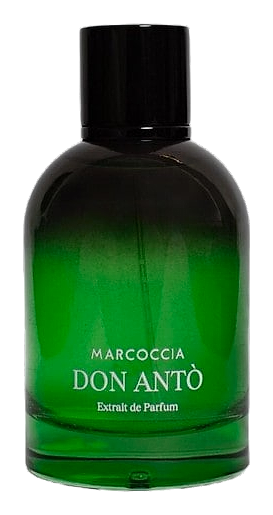
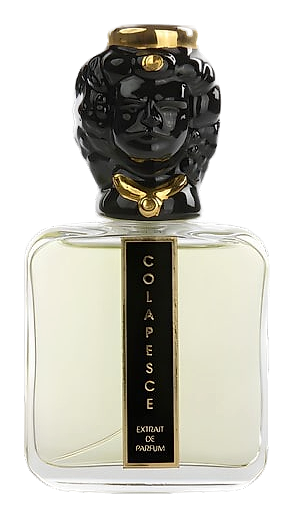
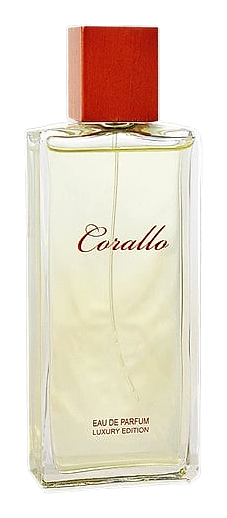
Brands
Brands known for Caper
Good to know
Questions, answered
The essentials on Caper in perfumery: how it smells, where it comes from, and how it behaves on skin.
What does caper smell like in perfume?
Caper delivers briny, green notes with herbal and slightly spicy qualities. It evokes Mediterranean coastal landscapes and adds a fresh, maritime character.
Is caper natural or synthetic in fragrance?
Natural caper comes from Capparis spinosa flower buds extracted via solvents. Synthetic replicates exist for cost and consistency reasons.
What fragrance families pair well with caper?
Caper suits fresh, aromatic, and green fragrance families. It combines effectively with marine notes, citrus, herbs, and light florals.
Which countries produce caper for perfumery?
Italy, Greece, and Turkey supply most caper for fragrance. The Mediterranean climate and rocky terrain create ideal growing conditions.
How long does caper last as a note in fragrance?
Caper functions as a heart note, lasting 2 to 4 hours on skin depending on concentration and formulation. It serves as a bridge between top and base elements.
What makes caper rare in perfumery?
Hand-harvesting only unopened buds during a brief spring window creates labor intensity. Additionally, yield per weight is low, making extraction costly.
Can caper replace marine or ozonic notes?
Caper provides a natural, organic alternative to synthetic marine accords. It offers similar freshness with added herbal complexity.
Which famous fragrances use caper?
Caper appears in niche and designer releases from Mediterranean-focused houses. It remains less common than traditional notes, making it distinctive when present.