The Story
Why it exists.
The beginning
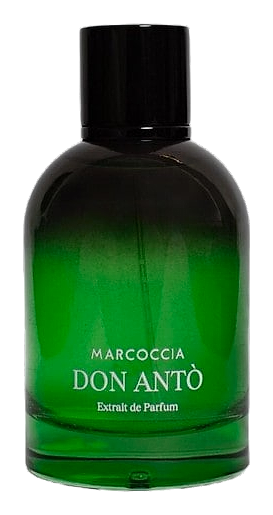
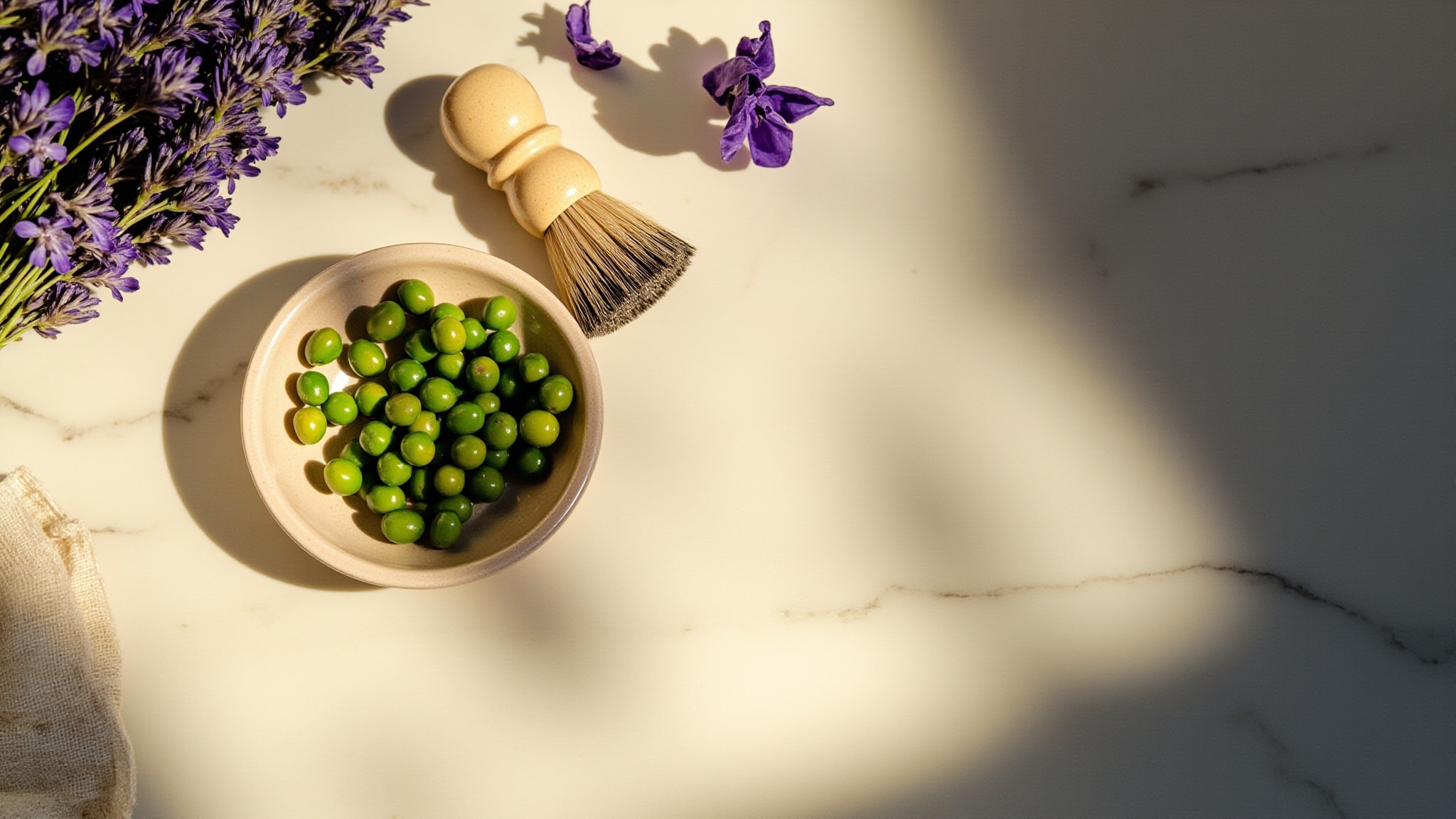
Don Antò is a dedication. Not to an era or an aesthetic, to a person. Andrea Marcoccia created this fragrance for Antonio, his grandfather, the kind of figure who holds a family together through quiet rituals rather than grand gestures. Shaving routines. The cologne chosen for Sundays. The small ceremonies that teach a person what it means to take care of yourself. The name itself, Don Antò, uses the familiar Italian form, the one you'd only use with family. This isn't a fragrance that reaches for historical gravitas. It reaches for memory instead. The Piaceri collection where Don Antò lives is Marcoccia's more personal shelf, the compositions that don't fit neatly into categories. Here, Andrea Marcoccia chose to work in the fougère tradition, one of perfumery's oldest structures, built on lavender, oakmoss, and geranium. But tradition, on its own, doesn't move anyone. The reinterpretation had to mean something.
The fougère structure has been with us since 1882, when Houbigant released Fougère Royal. It's built on lavender, oakmoss, and coumarin, with geranium often anchoring the heart. Classic fougères read as masculine, soapy, slightly fern-like, hence the name. Over the decades, the structure has been stretched, softened, darkened, and modernized, but it typically retains that core identity: aromatic, clean, grounded. Don Antò keeps the structure but shifts the register. Instead of opening with lavender's soapy calm, it arrives with absinthe, sharp, slightly medicinal, unmistakably green in a way that reads more herb-garden than perfume-counter.
The evolution
The opening doesn't ease you in. Absinthe hits immediately, bitter, anise-laced, with caper bringing a briny green edge that most fougères simply don't have. Chamomile or mint (depending on your skin's reading) adds a quieter herbal layer beneath. The effect is sharp for the first twenty minutes. Not aggressive, but intentional. This is the fragrance telling you something about itself before asking anything of you. Then the lavender arrives. It doesn't overtake the absinthe so much as surround it, softening the medicinal edge into something more familiar. Geranium adds a floral sweetness that feels almost soapy in the best way, the fougère heritage asserting itself without apology. Violet leaf contributes a slight dewiness. For some wearers, there's also hay here, a warm dry note that shifts the character from green-sharp to gently rural. The drydown is where Don Antò earns its heritage. Oakmoss settles in with that characteristic earthy darkness, the smell of damp forest floor, of old books, of something that has been here longer than you have.
Cultural impact
Don Antò enters a fougère landscape that has grown crowded with safe reinterpretations. The classic structure, lavender, oakmoss, geranium, appears in dozens of fragrances each year, most of them pleasant and forgettable. What distinguishes Don Antò is the choice to open with absinthe and caper, two materials that make an argument rather than an offering. This is a fragrance for someone who has worn their way through the obvious fougère choices and is looking for one that has something to say. The Piaceri collection's emphasis on personal memory over market positioning means Don Antò isn't chasing trend or category, it's expressing a specific sensibility.