The Story
Why it exists.
The beginning
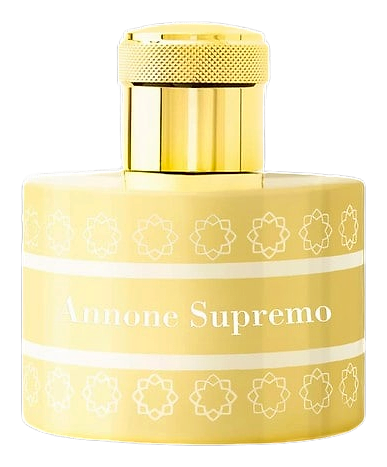
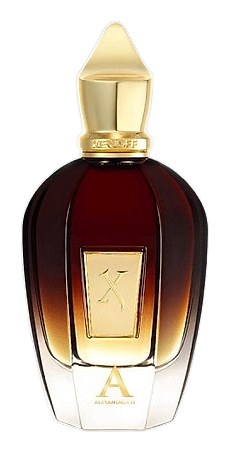
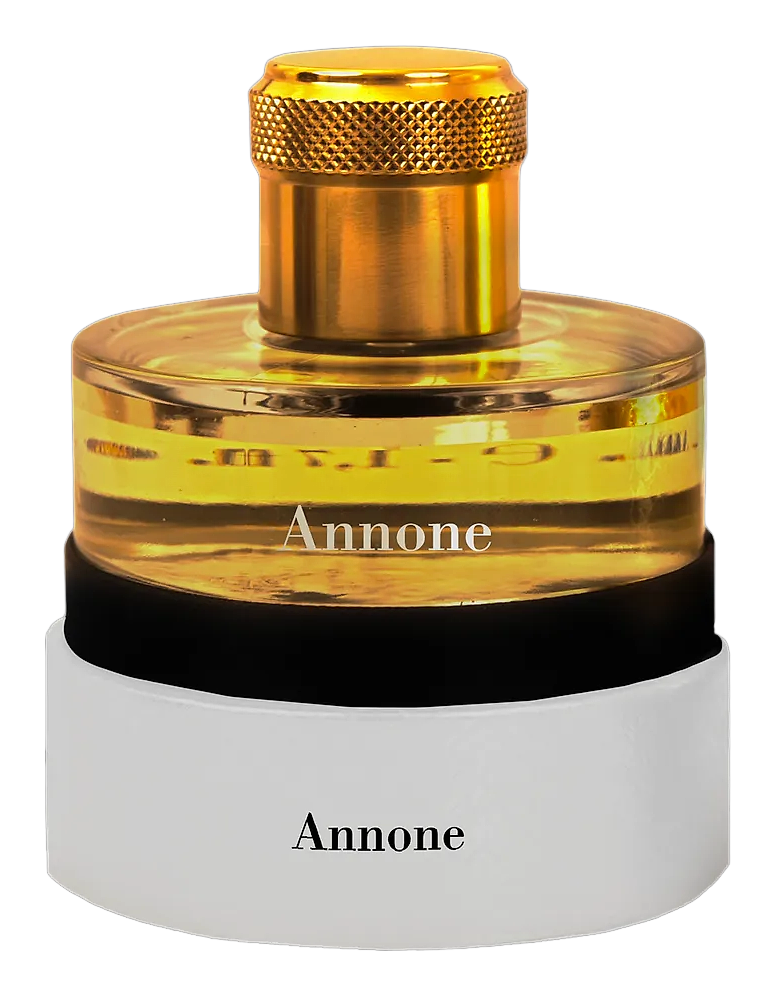
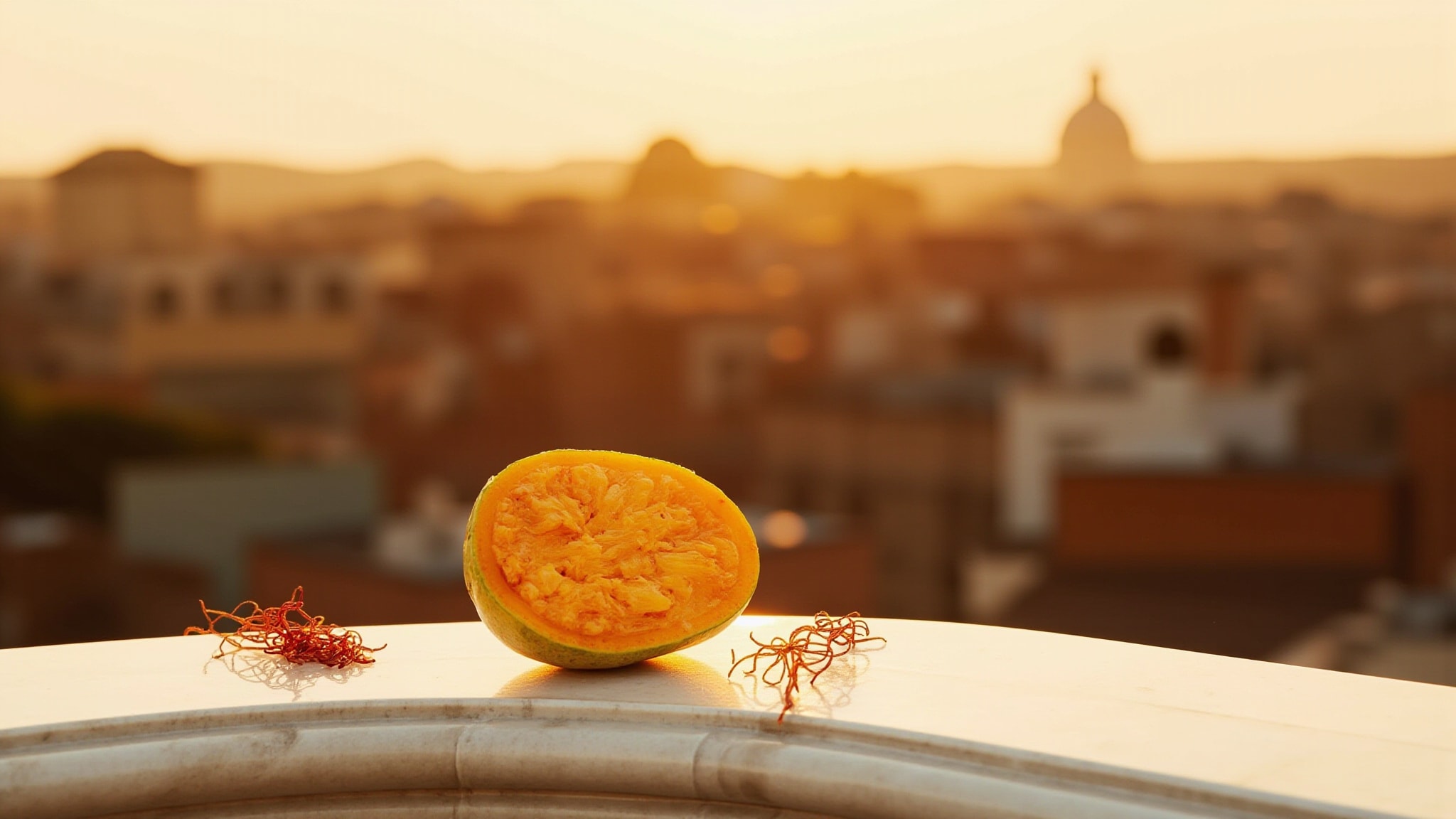
Annone carries a name that echoes through Roman history, an echo that finds new resonance in this fragrance. The composition opens with a collision of tropical opulence and deep oriental structure: mango and saffron arrive together, conjuring spectacle, arrival, the first impression that demands attention. Mango provides sticky-ripe sweetness, almost sticky in its fullness, a fruit that feels almost weightless in its tropical warmth. Saffron threads through with its characteristic medicinal sharpness, a faint edge that keeps the sweetness from becoming soft or anonymous. What follows is quieter, more layered, more interested in persistence than proclamation. This is a fragrance about what happens after the curtain drops, when the stage empties and the real work begins.
The saffron-mango pairing is unusual in this category. Most orientals lean into spice first, then build sweetness as a supporting act. Annone does the opposite: the mango arrives first, fully ripe and tactile, and the saffron acts as a spine, giving structure and a faint medicinal sharpness that keeps the sweetness from becoming soft. The oud doesn't dominate the opening. It builds slowly, surfacing gradually as the rose and iris take their place in the heart. This slow evolution creates a fragrance that reveals itself in layers, each stage offering something the previous phase only hinted at.
The evolution
The opening hits in under a minute. Bergamot appears first, bright, almost sharp, before the saffron and mango arrive together, the saffron lending a faint medicinal quality that some will read as interesting and others as challenging. The mango is sticky-ripe, almost tropical, and for the first twenty minutes it's the dominant impression. Then the rose enters. Not a polite rose, a rose with weight, with body. It doesn't replace the mango; it sits beside it, creating an accord that smells like fruit and flowers at the same time. The iris comes in as a bridge, its powdery quality softening the transition between fruit and florals. At the hour mark, the oud begins its slow ascent. It's not aggressive, it rises like a bass note, adding depth beneath the rose and mango rather than replacing them. The nagarmotha adds an earthy, almost mineral quality that grounds the composition.
Cultural impact
Annone occupies an unusual position in the niche market: a fruity-oriental that embraces warmth without softening itself into irrelevance. The mango-rose heart gives it approachability, a sweetness that invites rather than overwhelms. The oud-nagarmotha base gives it staying power, a foundation that deepens as the hours pass rather than simply fading. The saffron-mango opening feels neither masculine nor feminine, drawing instead on a shared language of tropical richness and oriental weight.