The Story
Why it exists.
The beginning
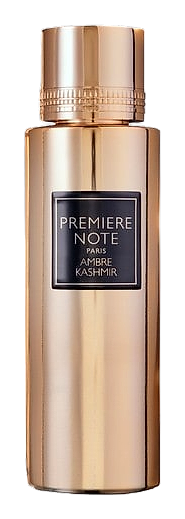
Jérôme Di Marino built Ambre Kashmir for Première Note's ingredient-first catalog, naming it for Kashmir, the mountainous region synonymous with warm shawls, ancient spice routes, and amber-resin traditions. The fragrance translates that geographic weight into a composition that opens bright with citrus and cools into something darker, resinous, and unapologetically warm.
What makes this structure interesting is the contrast Di Marino engineered in the heart: the cool green of lavender against the heat of pink pepper and cinnamon. Turkish rose doesn't soften here, it deepens, pulled toward incense and the resinous amber base. The result is a fragrance that refuses to sit still between cool and warm, fresh and dense. That's rare in amber compositions, which often choose one direction and stay.
The evolution
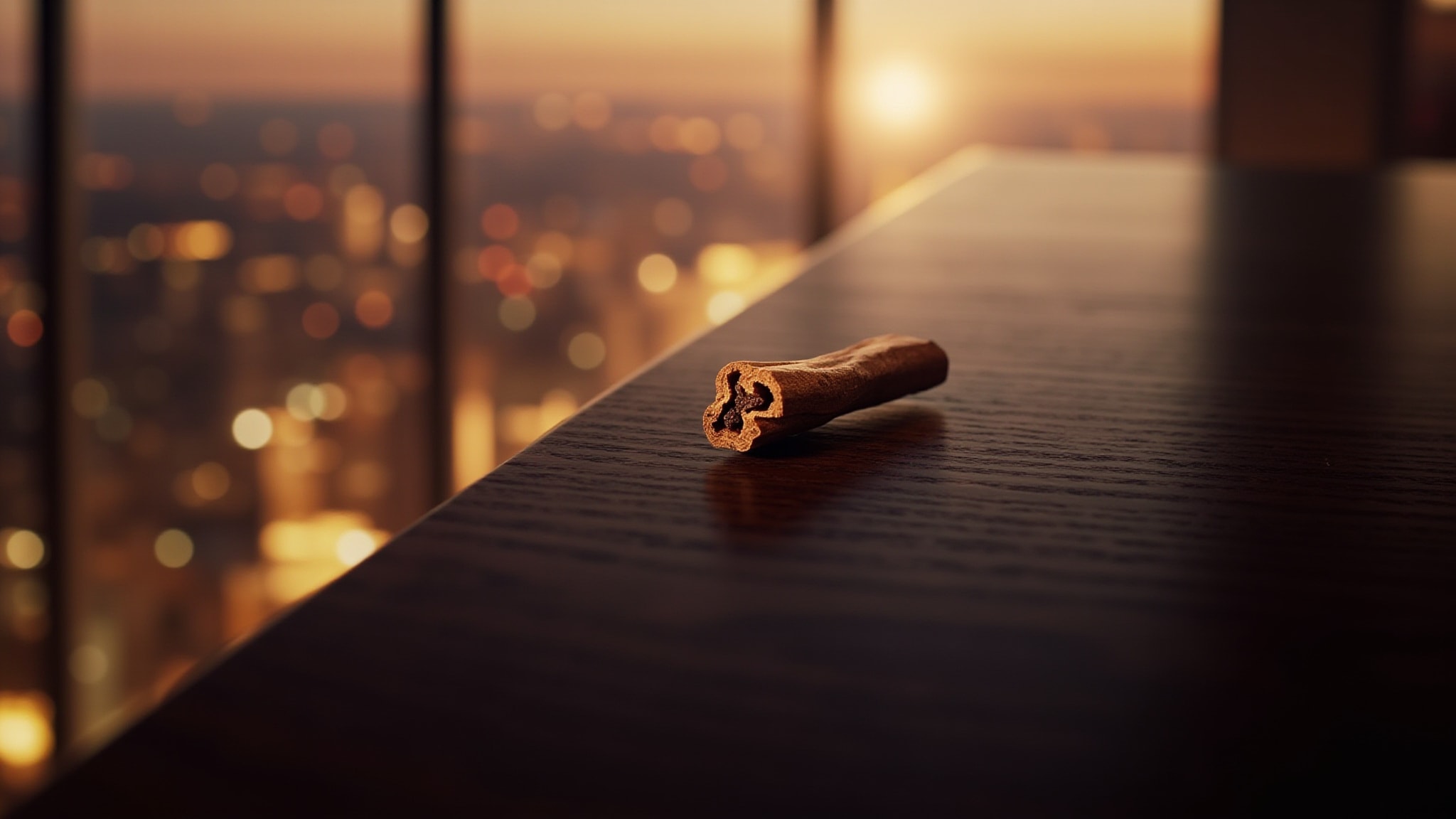
It opens with citrus brightness, bergamot and lemon cutting clean against angelica's green undertone. The first twenty minutes feel almost refreshing, like stepping into a spice market before the sun hits. Then the cinnamon arrives. Not a whisper, a push. It takes over the heart, wrapping around frankincense and pink pepper, and suddenly the rose feels darker, not sweeter. The sillage tightens, pulling closer to skin. By the third hour, patchouli and labdanum have settled underneath, giving the warmth a place to live. Eight to ten hours later, vetiver and tonka bean remain, warm, resinous, intimate. On fabric, it lasts until the next day.
Cultural impact
Ambre Kashmir sits comfortably in the warm-spicy niche that attracts people who want fragrance to make a statement. It's not subtle, the cinnamon-forward opening reads as bold, even confrontational, but the 8-10 hour longevity means it earns its presence. Wearers describe it as the kind of scent someone notices in a good way, then leans in to catch more.