The Story
Why it exists.
The beginning
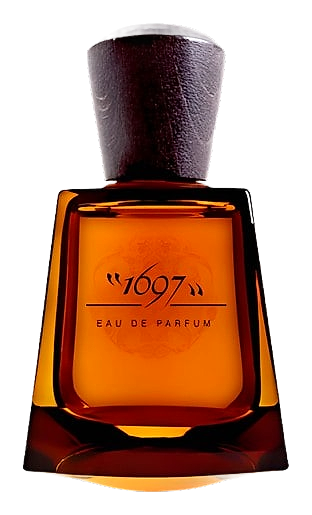
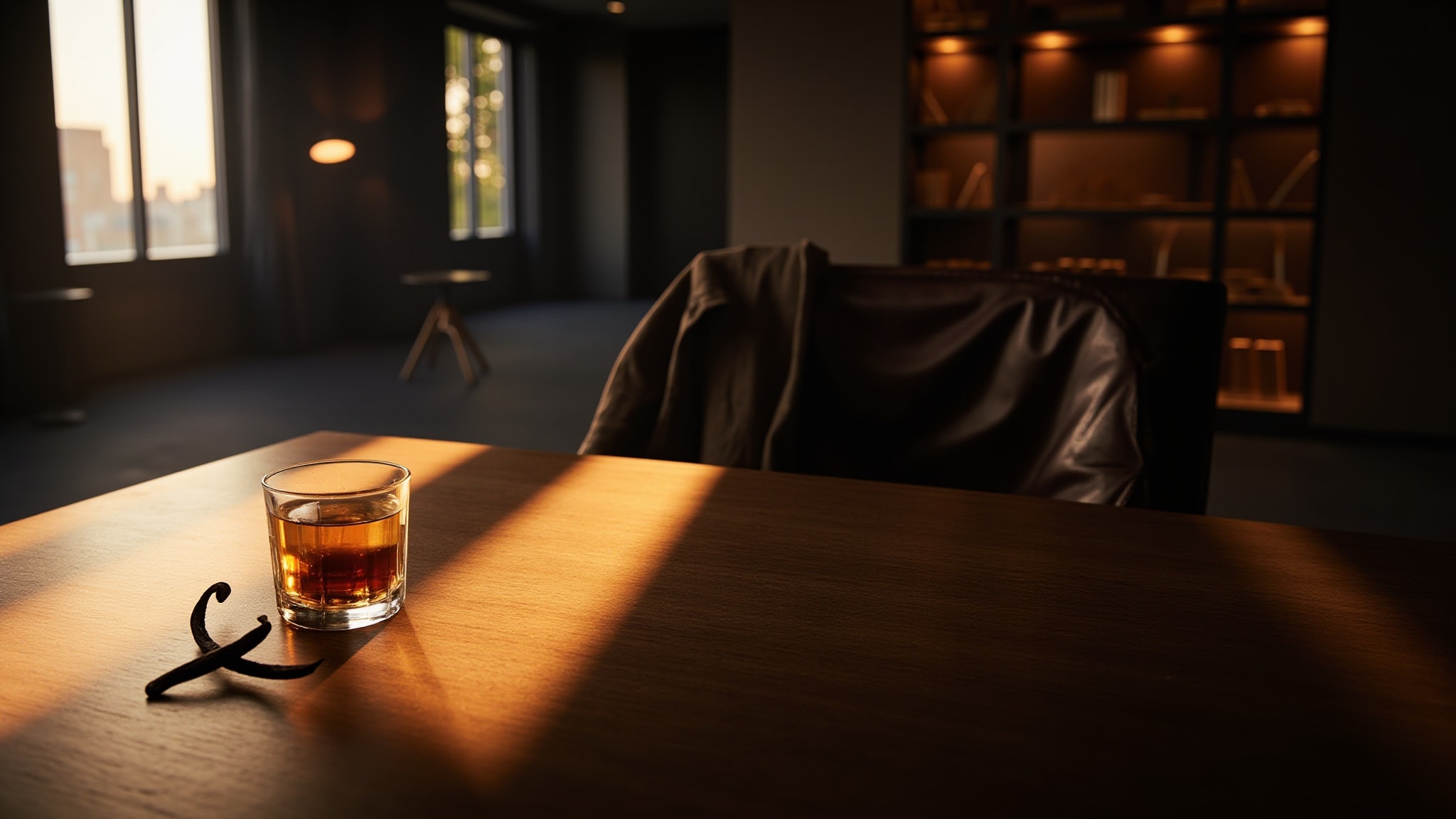
In 2011, Frapin tasked Bertrand Duchaufour with an unusual challenge: translate the atmosphere of a cognac tasting into a fragrance. Not a literal translation, no pouring XO into a bottle. Rather, the mood of the room, the warmth of the glass, the slow exhale after the first sip. The house had spent centuries understanding how spirits evolve in oak barrels. Duchaufour understood that same patience could work in perfume. The result was named 1697, a quiet signal that this fragrance was rooted in family heritage and tradition, not in passing trend.
What makes 1697 unusual is its structural logic. Most orientals start bright and turn warm; this one begins warm and stays warm, with the rum note acting less like an opening and more like a constant pressure behind everything else. The dried fruits in the heart aren't the bright apricot of a summer fragrance, they're darker, almost fermented, the kind of fruit that suggests long storage. Duchaufour layers spice not as accent but as architecture: clove and cinnamon form a structure that holds the vanilla and tonka at the base, preventing them from going flat or too sweet.
The evolution
The opening phase features rum speaking clearly, with Jamaican rum absolute and dark rum notes supported by pink pepper and artemisia, an herb that prevents the sweetness from becoming syrupy. As the fragrance develops, the spices take their turn. Hot cinnamon and dense clove emerge, accompanied by hawthorn with its distinctive dried flower stem quality. Ylang-ylang and jasmine surface during this transition, present but never dominant. The dry fruits become more apparent as time passes, adding richness and depth without brightening the composition. Vanilla and tonka bean begin their gradual rise, and for the next several hours the fragrance settles into warm amber territory. Patchouli and cedarwood provide grounding, while white musk keeps the overall impression from becoming heavy.
Cultural impact
1697 occupies a distinctive space in the niche fragrance world, a composition that rewards patience and attention. The cognac-house framing gives it a specificity that generic orientals lack: this smells like something that lived in a barrel. Wearers describe it as the fragrance for someone who walks into a room and does not need to announce themselves. Its composition offers a complexity that reveals itself gradually, with layers of warmth and depth that unfold over hours rather than minutes. The fragrance invites a slower appreciation, appealing to those who understand that the most interesting scents are not always the loudest.