
The Story
Why it exists.
The beginning
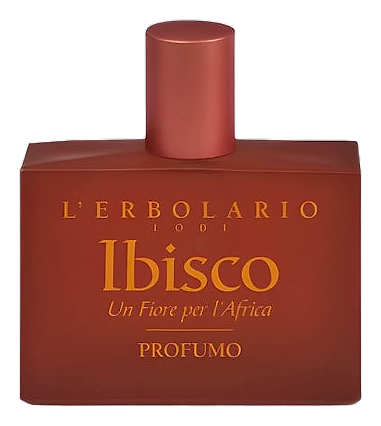
The hibiscus flower has long been a symbol of delicate beauty across Mediterranean and tropical landscapes. For L'Erbolario, a brand deeply committed to botanical authenticity, the hibiscus represented something worth exploring: a flower with visual drama but a scent that requires patience to uncover. The 2013 creation takes its name directly from this botanical subject, Ibisco, the Italian word for hibiscus, acknowledging that the fragrance's purpose is to translate the flower's quiet complexity into something wearable.
What makes Ibisco interesting is the tension between its tropical inspiration and its Italian restraint. The hibiscus flower itself is more olfactory whisper than statement, L'Erbolario's solution was to build around it rather than simply reproduce it. Ylang-ylang and vanilla create a warm, creamy foundation that amplifies the floral without mimicking it. The orris root adds powdery depth, while the citrus and cardamom topnotes provide an aromatic opening that keeps the sweetness from overwhelming. It's a composition that understands restraint is not the same as weakness.
The evolution
The opening arrives aromatic and bright, elemi resin and lemon cutting through with a crisp, zesty intensity that quickly gives way as the orange and coriander settle into something softer and more rounded. Thirty minutes in, the ylang-ylang takes command, buttery and heady, as hibiscus blooms into the composition. The vanilla follows closely, preventing the floral from flying too high, keeping everything anchored in warmth. By the third hour, the drydown emerges: amber and patchouli create a woody, balsamic base while the musk lingers close to the skin. The final hours are intimate, powdery, present but never intrusive. On fabric, it holds longer, you'll find traces in a scarf or on a pillowcase the next morning.
Cultural impact
Discontinued but not forgotten. Ibisco offers warmth without projection, intimate where many florals aim to announce themselves. It's the kind of fragrance that rewards someone patient enough to seek it out, a quiet alternative to more marketed sweet-florals of its era.