The Story
Why it exists.
The beginning
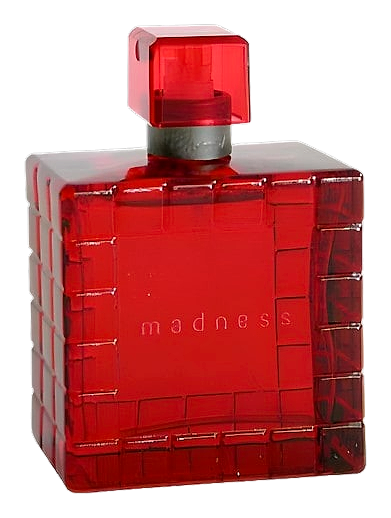
Christine Nagel designed Madness in 2001 as a deliberate collision of notes, the sharp and the soft, the tropical and the grounded. Pink pepper and kumquat opened the composition with a brightness that didn't ask permission. Beneath it, a heart of rose and hibiscus offered warmth that felt earned, not given. The name said everything: this was not a fragrance meant to fade into the background. It was meant to arrive before the wearer did.
The base notes are what make it interesting. Palisander rosewood, a drier, more complex rosewood than the sweet variety found in many contemporary compositions, grounds the scent with a pencil-shaving quality that reads sophisticated rather than heavy. Cotton flower adds a musky softness that keeps the drydown intimate. The combination is unusual: tropical fruits and florals meeting a woody base that refuses to sweeten. This is the kind of structural choice that separates a fragrance with a point of view from one that simply smells pleasant.
The evolution
The first hour is the test. Pink pepper announces itself with confidence, some find it startling, others find it magnetic. Lychee arrives shortly after, adding a tropical sweetness that softens the edge without diluting it. Kumquat keeps things bright. By the second hour, the floral heart begins to unfurl. Rose and hibiscus work together to create warmth that feels earned rather than given. The final act belongs to the woody notes. Palisander rosewood takes over, its dry quality sitting close to the skin like pencil shavings left on a desk. Cotton flower adds a quiet powdery finish that keeps the entire composition intimate and refined. This is a fragrance that starts bold and ends close, never loud, always present, lasting well into the evening with a sillage that stays within arm's reach rather than filling a room.
Cultural impact
Madness arrived in 2001 as a statement fragrance, unapologetically bold in a market where subtlety often ruled. The name said everything: this was not meant to please everyone. It was meant for those who wanted something with a point of view. That positioning attracted wearers who wanted their fragrance to stand apart from the expected. The discontinued status has only amplified its appeal among collectors who recognize the value in a scent that was never designed to be safe. To wear it was to make a choice, and that choice said something about the person wearing it.