Green Olive
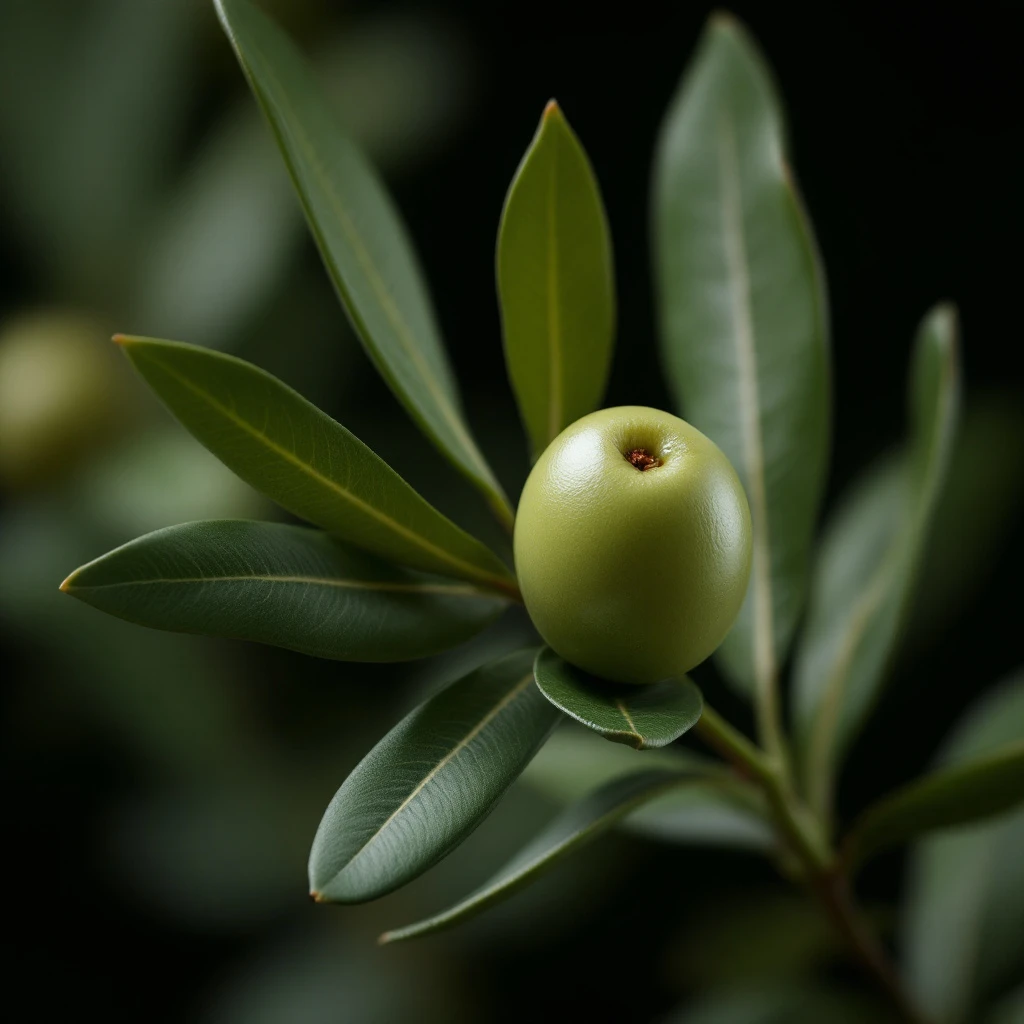
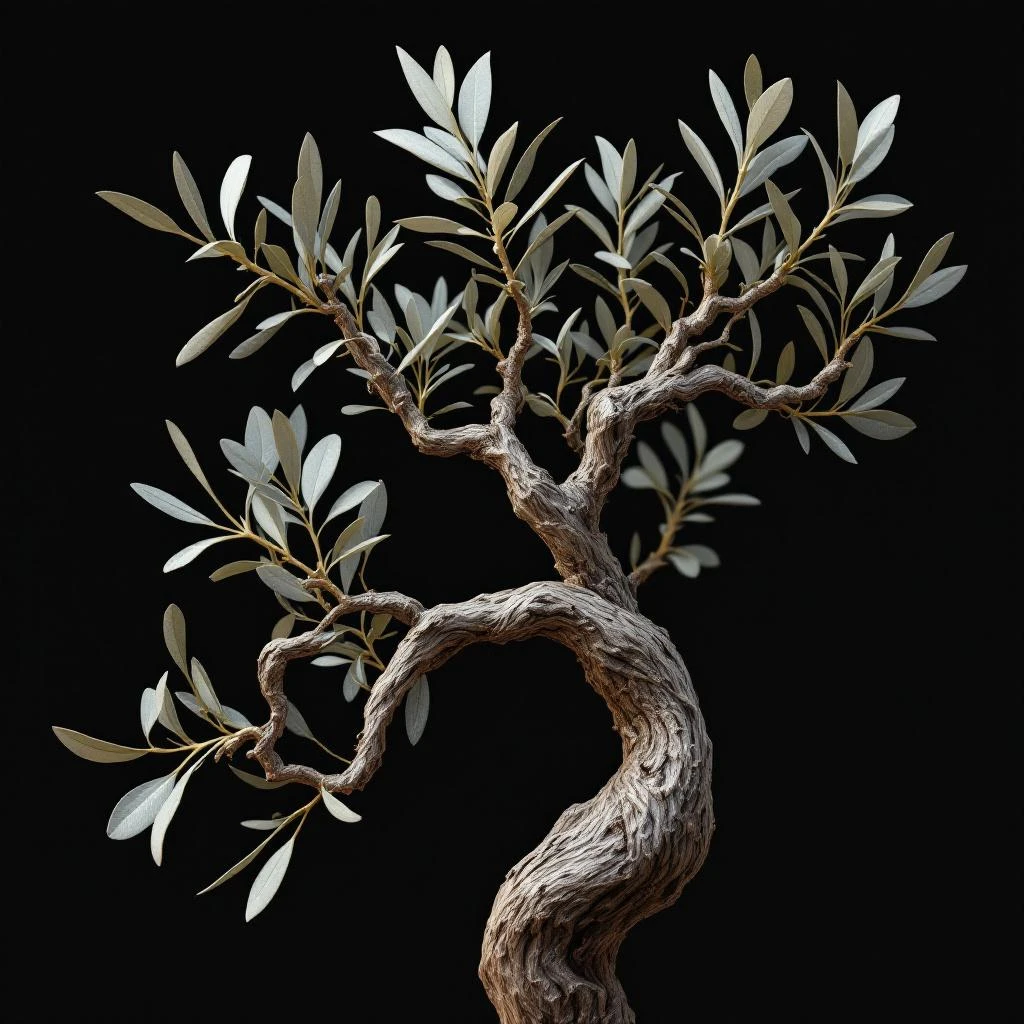
Green olive brings a briny, herbaceous sharpness to perfumery, capturing the sun-warmed leaf and bitter-peppery fruit in scent form. This Mediterranean staple anchors chypre compositions and adds a vegetal snap to modern green accords.
Character
How it smells
Brine, leaf, and bitter green
The ancient Romans macerated scented materials in oil pressed from unripe green olives to create their earliest perfumes, a method Pliny the Elder documented in Naturalis Historia.





Origin
Greece
The olive tree has perfumed Mediterranean civilization for over four millennia. Egyptian tomb paintings from 1500 BCE depict olive harvest rituals, and archaeological evidence confirms olive oil use in sacred anointing practices along the Nile.
Ancient Greek perfumers recognized olive oil as an ideal carrier for macerating flowers and resins, creating scented unguents that scented skin and hair. Roman perfumers, including those working under Pliny the Elder's documented methods in the first century CE, pressed oil from green olives or unripe grapes as their base for enfleurage-style extractions.
This oil-base technique spread throughout the empire and remained standard practice until alcohol-based perfumery emerged in the medieval Islamic world, where distillation innovations by Arabic chemists transformed ingredient preparation. The modern green olive note, however, is largely a twentieth-century creation, engineered through synthetic chemistry to evoke the leaf rather than the fruit, a direct nod to Mediterranean landscapes now bottled in chypre fragrances.
Wears it best
Fragrances featuring Green Olive
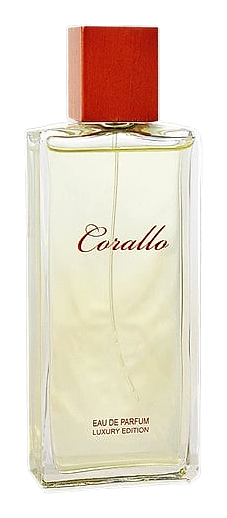
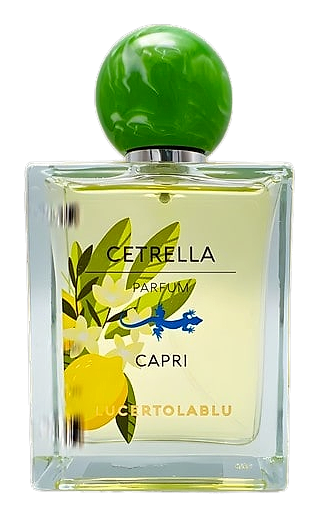
Brands
Brands known for Green Olive
Good to know
Questions, answered
The essentials on Green Olive in perfumery: how it smells, where it comes from, and how it behaves on skin.
What does green olive smell like in perfume?
Green olive offers a briny, herbaceous scent with bitter-green undertones and a faint salty tang. It reads as vegetal and slightly pithy, evoking sun-warmed leaves and freshly pressed oil rather than food. This sharpness makes it a classic chypre building block.
Is green olive a natural or synthetic note?
Both forms exist. Natural olive leaf absolute comes from solvent extraction of fresh leaves, while olive fruit essence requires cold-pressing unripe fruit. Most modern perfumers use synthetic molecules like stemone to recreate the effect affordably and consistently.
Which fragrance families feature green olive?
Green olive anchors chypre compositions and appears in modern green and aromatic fougère structures. It pairs naturally with oakmoss, galbanum, bergamot, and herbal accords where its bitter edge adds structure and lift.
Does green olive note come from actual olives?
Yes, technically. Olive leaf absolute derives from real olive tree foliage, and fruit essence comes from cold-pressed unripe olives. However, many 'green olive' accords in commercial perfumery rely on synthetic recreations rather than natural extracts.
What is the history of olive oil in perfumery?
Ancient Romans macerated flowers and resins in oil pressed from green olives to create scented unguents. Pliny the Elder documented this oil-base extraction method around 77 CE in Naturalis Historia, making it one of the earliest recorded perfumery techniques.
Where are most olive trees grown for perfumery?
Mediterranean countries dominate olive cultivation for both culinary and perfumery use. Greece, Italy, Spain, and Tunisia produce the majority of global olive leaf material, with extraction facilities concentrated in southern Europe and North Africa.
Is green olive safe in fragrance?
Green olive notes present low allergenic risk when properly formulated, as most modern versions rely on IFRA-compliant synthetic molecules. Natural olive leaf absolute may contain trace allergens and requires standard safety assessment at usage levels.
Can you make green olive perfume at home?
Limited options exist for home perfumers. High-quality olive leaf absolute requires professional solvent extraction equipment, but you can approximate the scent by blending galbanum, fig leaf accord, and a touch of briny sea salt notes in a base alcohol.