Red thyme
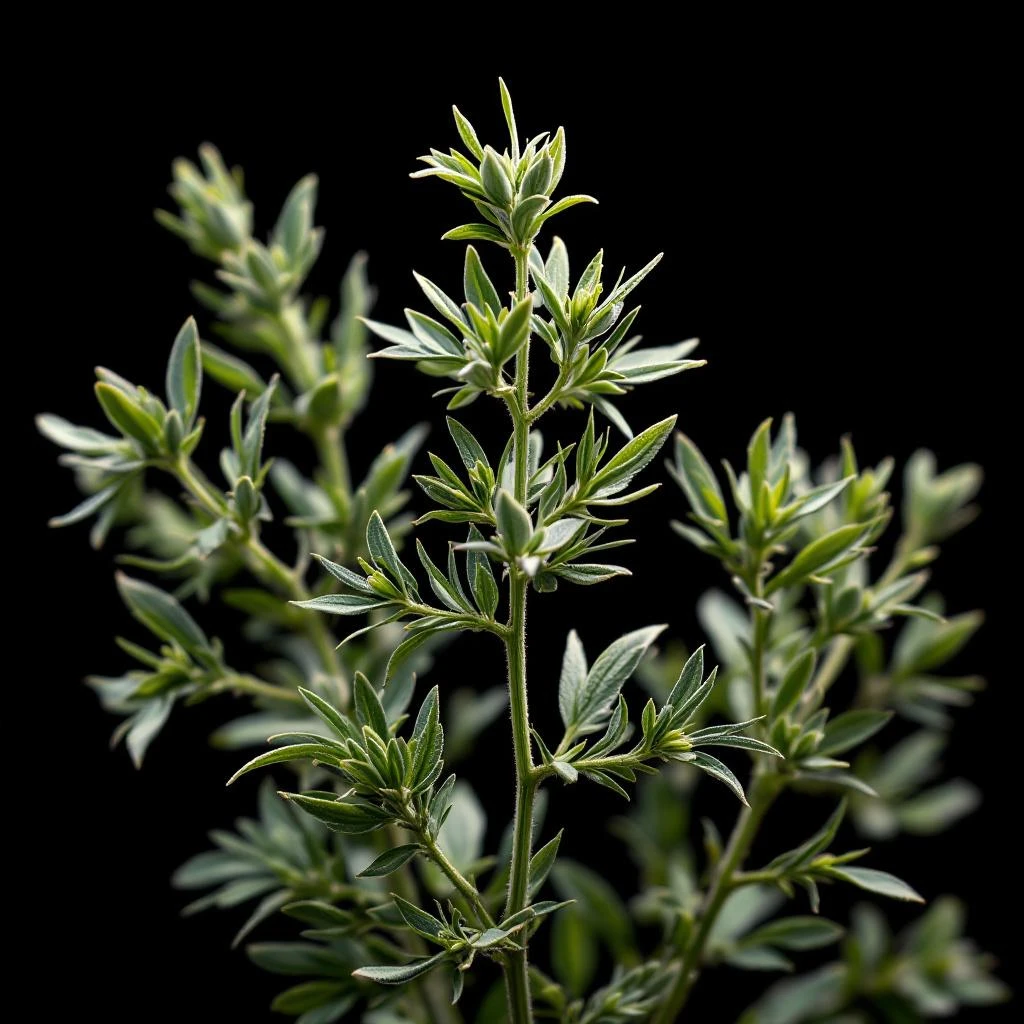
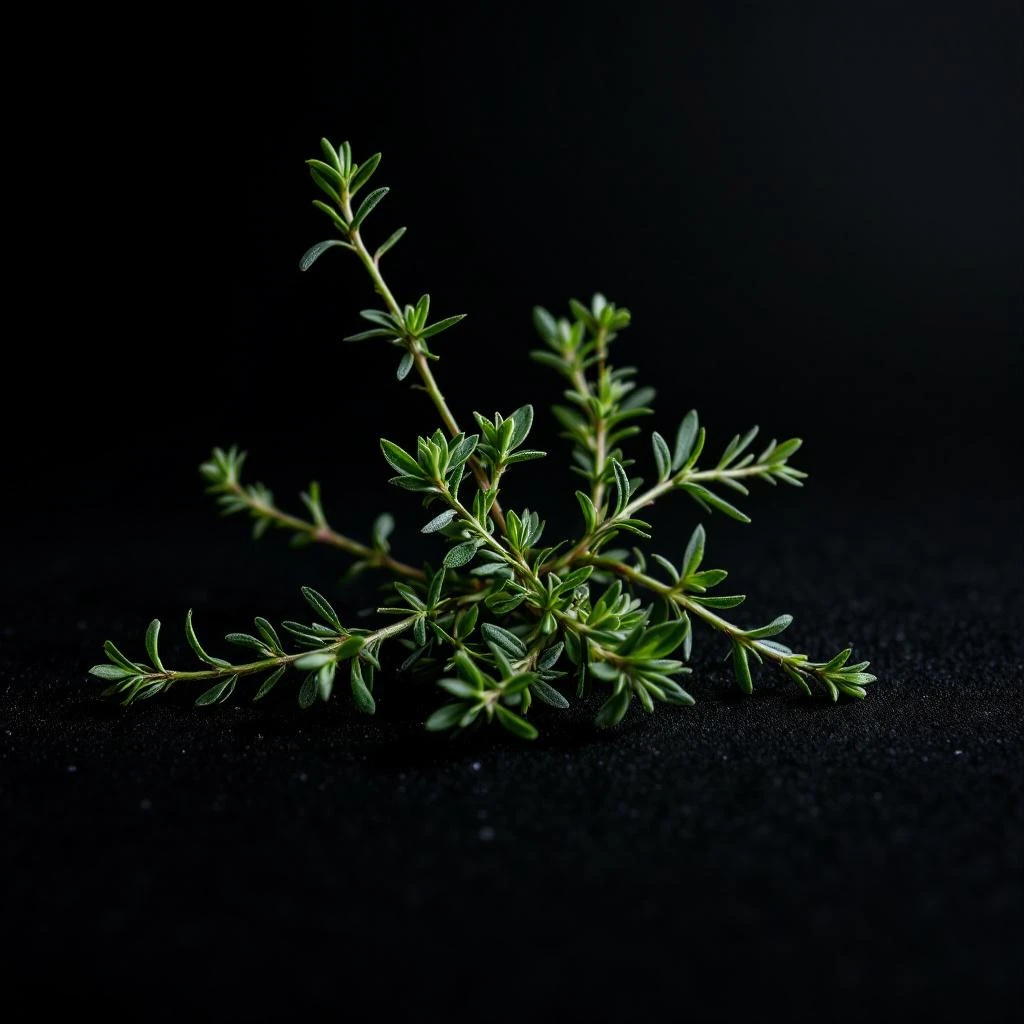
Red thyme is the raw, first-press of thyme oil, an amber-to-red liquid carrying the herb's most intense aromatic bite. Its sharp, medicinal warmth anchors fougère and herbal compositions with a vegetal intensity that white thyme cannot match.
Character
How it smells
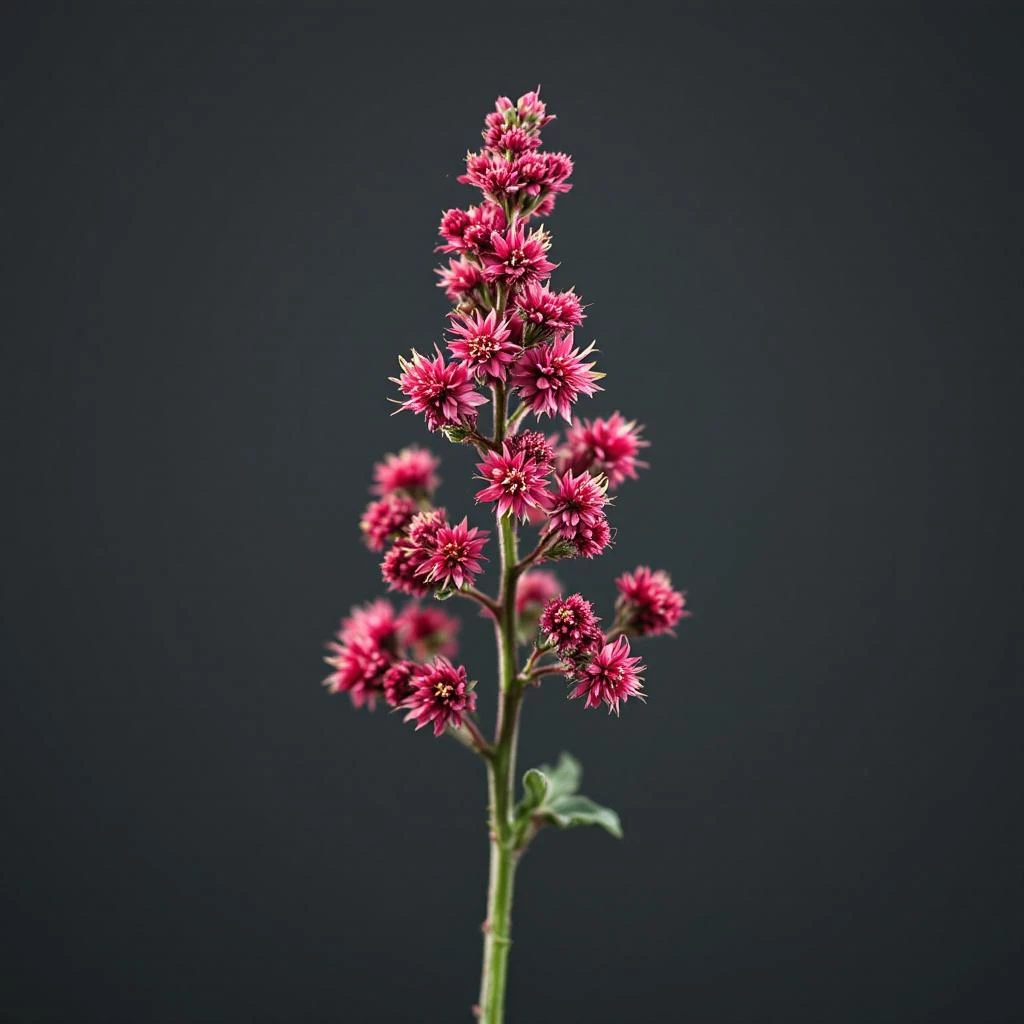
Thyme's boldest cut, distilled.
Red thyme gets its color from the same high thymol concentration that gives it antiseptic power; redistilling the oil removes the pigment and creates the paler white thyme.






Origin
France
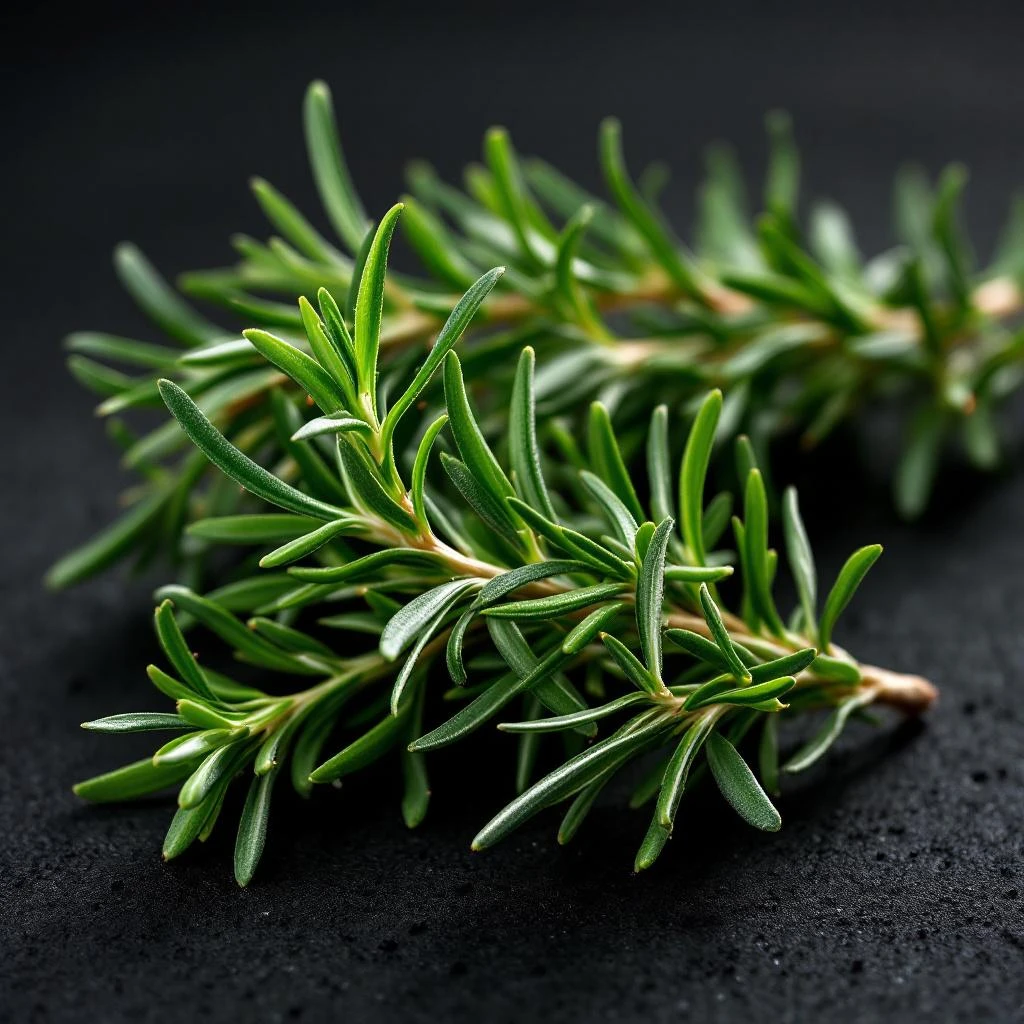
Thyme's recorded history stretches back to ancient Egypt, where it appeared in embalming formulas and temple incense, and to Greece, where physicians like Dioscorides prescribed infusions for respiratory ailments. The Romans bathed in thyme-scented water to restore vigor after campaigns, spreading the herb across their empire. By the Middle Ages, monastic physic gardens cultivated thyme as both a culinary staple and a plague remedy, burning bundles to purify sickrooms.
The essential oil itself became accessible only with the development of modern distillation, gaining commercial significance in the 19th century. France emerged as the dominant producer, particularly around the Mont Ventoux region, where wild populations of Thymus vulgaris grow on rocky southern slopes. In perfumery, red thyme found a home in classic fougère structures, where its sharpness offsets the sweetness of lavender and the depth of oakmoss.
Its high thymol content made it valuable in early men's fragrances before synthetics like isobornyl acetate offered cleaner herbal accords.
Wears it best
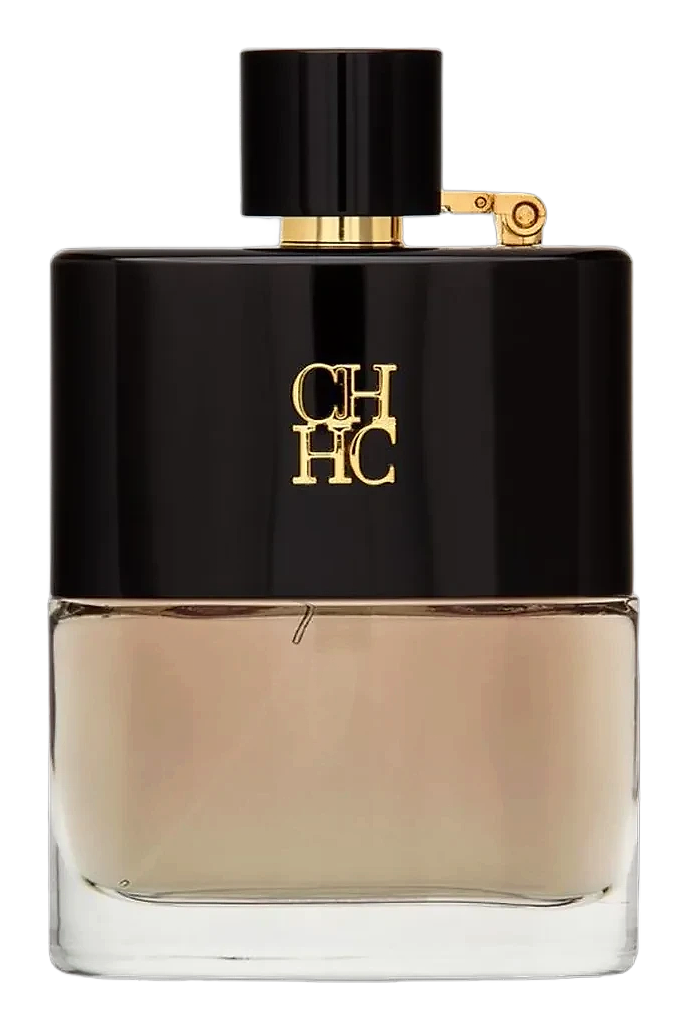
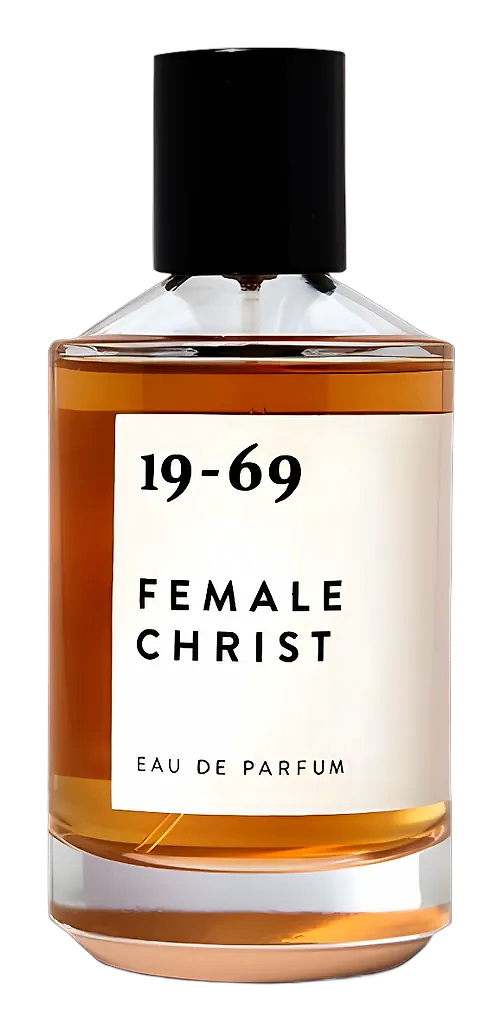
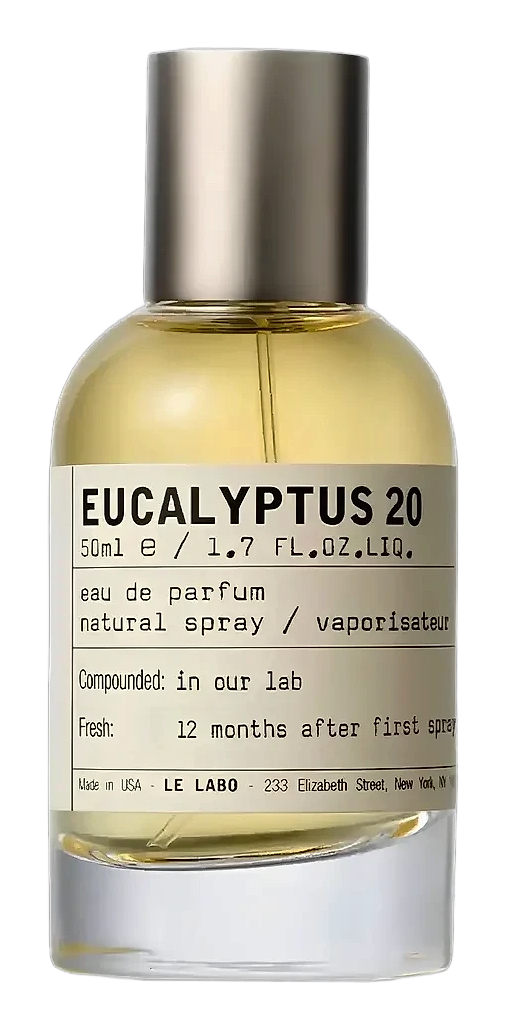
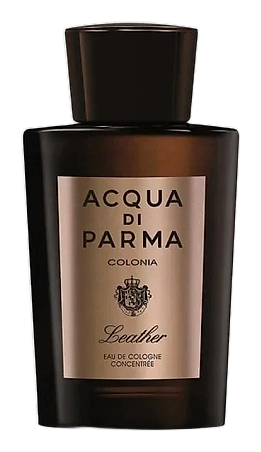
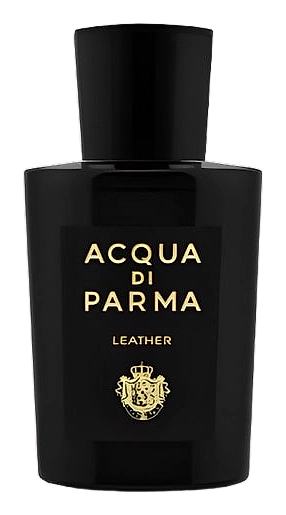
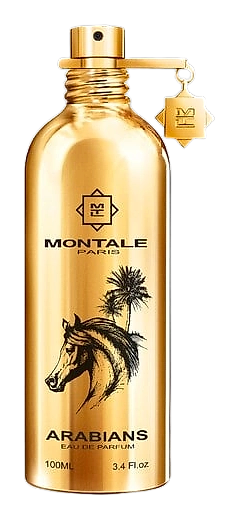
Fragrances featuring Red thyme
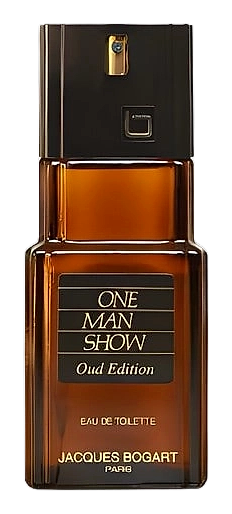
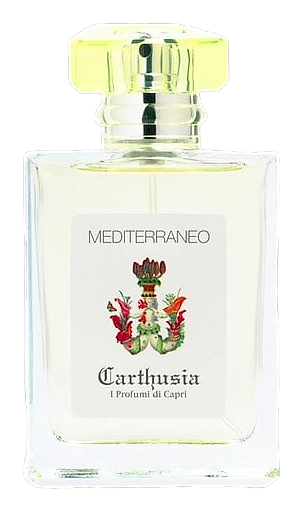
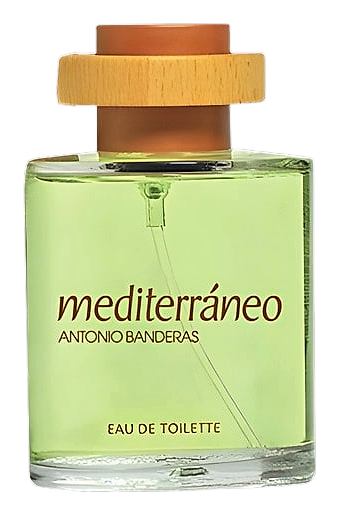

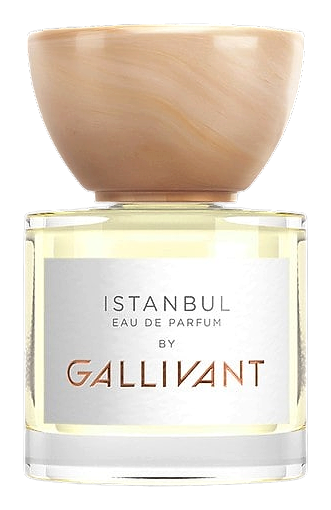
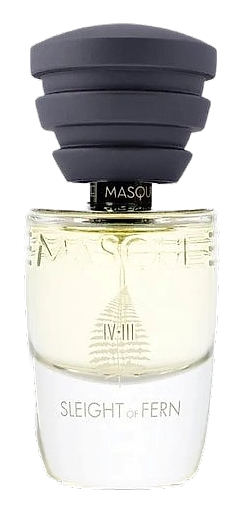
Brands
Brands known for Red thyme
Good to know
Questions, answered
The essentials on Red thyme in perfumery: how it smells, where it comes from, and how it behaves on skin.
What makes red thyme oil different from white thyme oil?
Red thyme is the crude, first-distillation product with high thymol and carvacrol content, giving it an amber-to-red color. White thyme is redistilled from red thyme, removing pigments and softening the phenolic edge.
Which plant species produces red thyme essential oil?
Red thyme oil is distilled from Thymus vulgaris or Thymus zygis, two species of the Lamiaceae family cultivated across Mediterranean regions.
Where is red thyme oil primarily produced?
France leads production, particularly in Provence. Spain, Morocco, and the United States contribute meaningful volumes.
What does red thyme smell like in perfumery?
Red thyme delivers a sharp, herbaceous, slightly medicinal character with warm, spicy undertones. It carries a phenolic intensity that white thyme lacks.
Is red thyme oil safe to use on skin?
Red thyme oil contains high thymol levels and is a known skin irritant at full strength. Perfumers use it in diluted formulations, and direct topical application is not recommended.
What fragrance families feature red thyme?
Red thyme anchors fougère and aromatic compositions, pairing with lavender, geranium, and oakmoss. It appears in herbal colognes and traditional men's fragrances.
Why is thymol important in red thyme oil?
Thymol makes up 40-55% of red thyme oil. This phenolic compound drives both the characteristic scent and the oil's well-documented antimicrobial properties.
How does harvest timing affect red thyme quality?
Early flowering produces the highest oil yield and thymol concentration. Harvesting before or after this window results in lower phenolic content and altered aroma profiles.