The Story
Why it exists.
The beginning
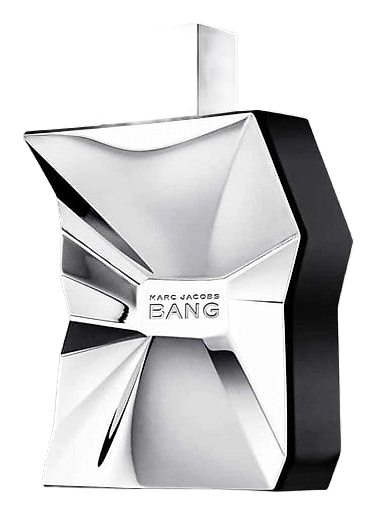
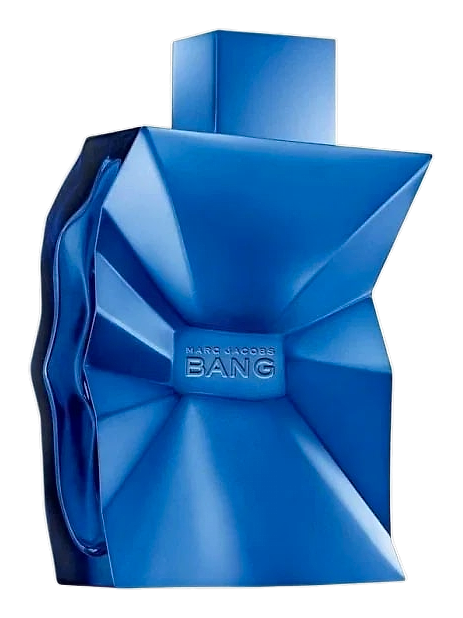
Bang Bang arrived in 2011 from the house of Marc Jacobs. The fragrance was composed by Yann Vasnier. The scent was conceived as a masculine counterpart to the brand's playful, downtown spirit. It reads woody-spicy at first glance, but the structure is more disciplined than that label suggests. Fennel and lemon brighten the entry, their sharpness lifted by the cool citrus snap that gives the opening its almost culinary edge. There's something bracing about that first spray, a clean herbaceous bite that cuts through any preconception about what a masculine Marc Jacobs scent should smell like. Cardamom arrives alongside, threading warmth through the citrus without dulling it, lending a controlled heat that hums rather than burns.
What's interesting here is how restrained the composition is for something marketed as a men's cologne. Five notes total, three of them in the opening, and sandalwood carrying the entire heart on its own. The fennel adds an anisic, almost vegetal sweetness that most masculine fragrances avoid. Sandalwood in the heart means the fragrance spends most of its life in a creamy, lactonic space, and the base musk seals it without adding anything sweet to compete.
The evolution
The first moments after application are the loudest this fragrance gets. Fennel and lemon push forward immediately, sharp and slightly herbal, like a garnish that's been crushed between someone's fingers. Cardamom threads underneath, warming the citrus without dulling it. The effect is bracing, almost culinary, like the smell of a bar just before service starts. There's a freshness here that feels deliberate rather than accidental, the kind of opening that wakes up the room around the wearer before settling down. As the composition moves through its early life, the sandalwood begins stepping forward. It doesn't arrive with ceremony; it just gradually takes over, softening the fennel until the spice recedes into the background. What replaces it is a creamy, almost milky warmth that sits close to the skin.
Cultural impact
Bang Bang sits in the quieter corner of the Marc Jacobs fragrance portfolio, a composition that rewards attention rather than demanding it. Discontinued, which has made it something of a quiet hunt for those who wore it in its original run. Its appeal lies in its restraint, a scent that stays close to the wearer without ever disappearing into the background.
The House
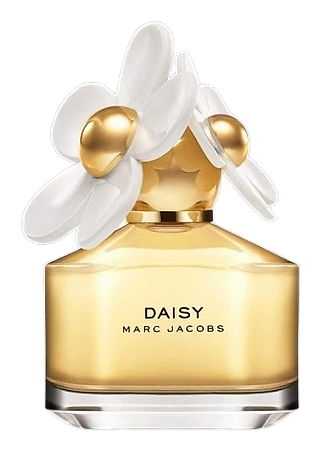
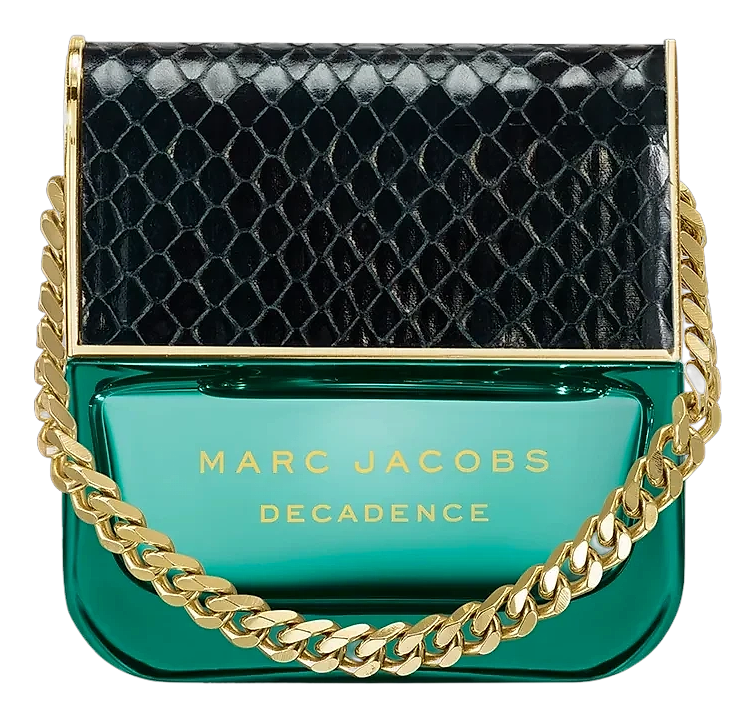
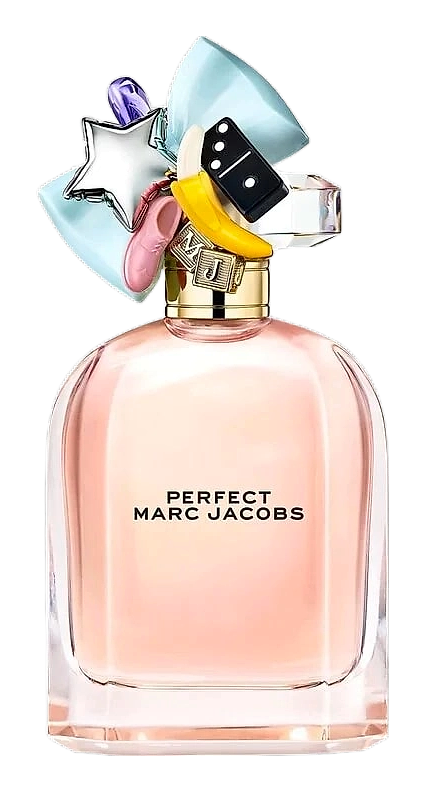
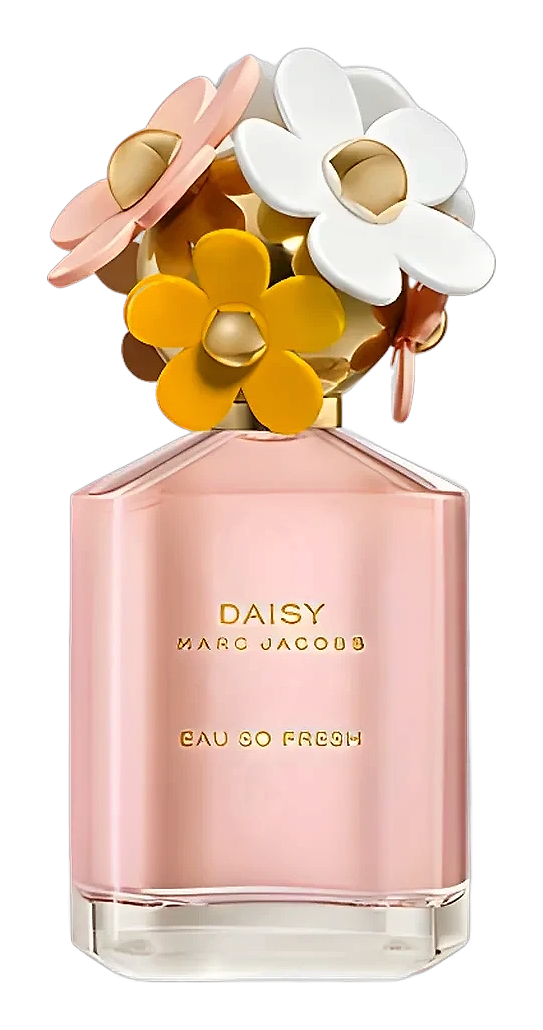
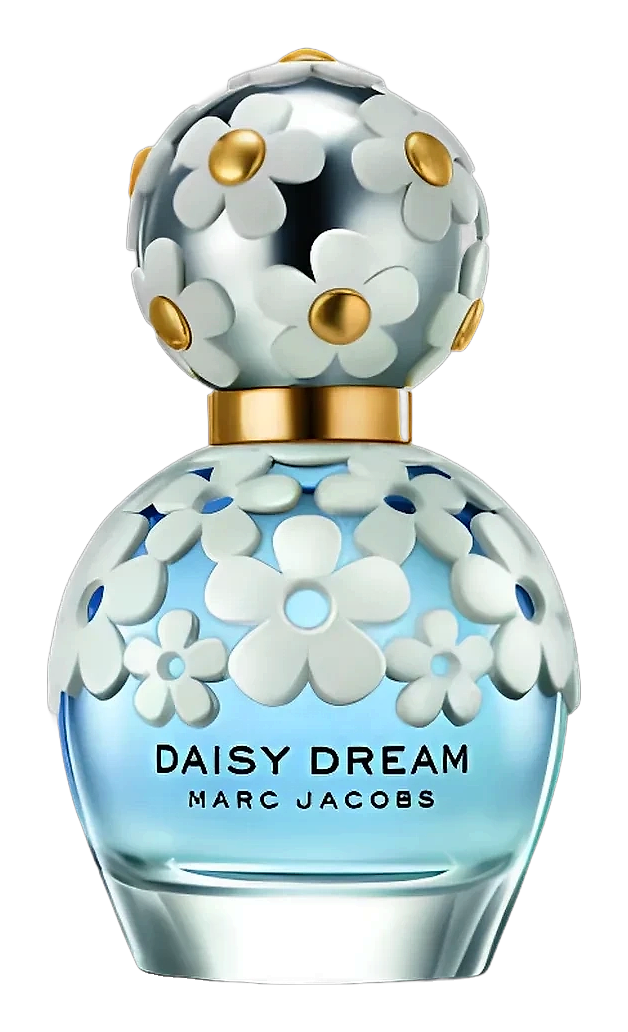
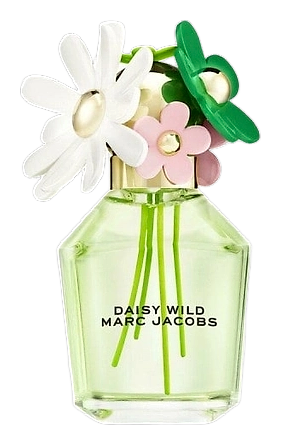
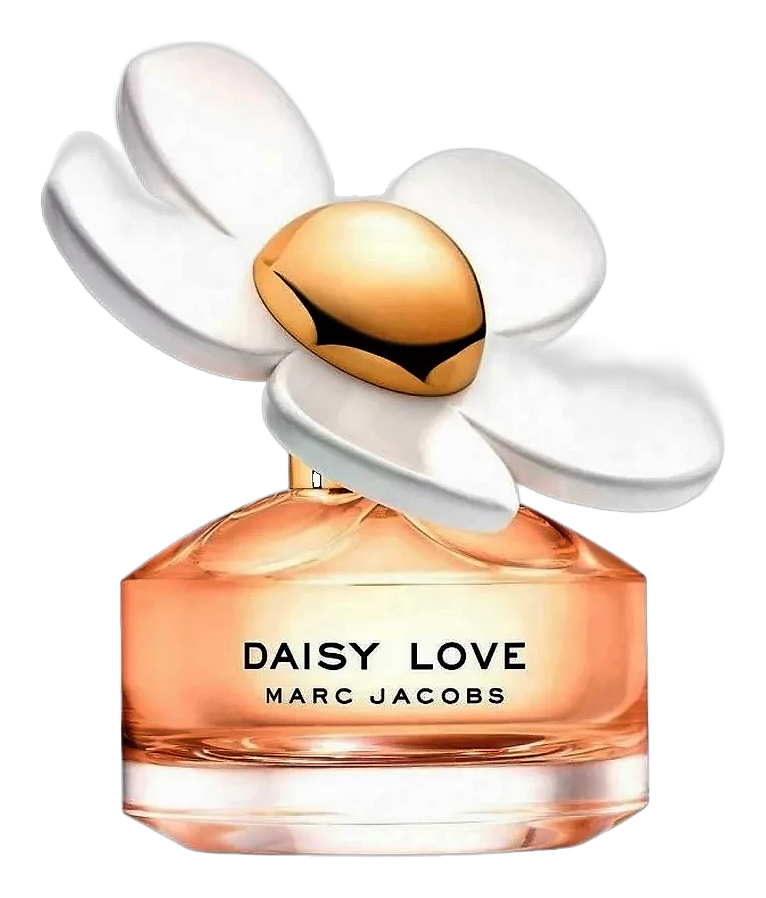
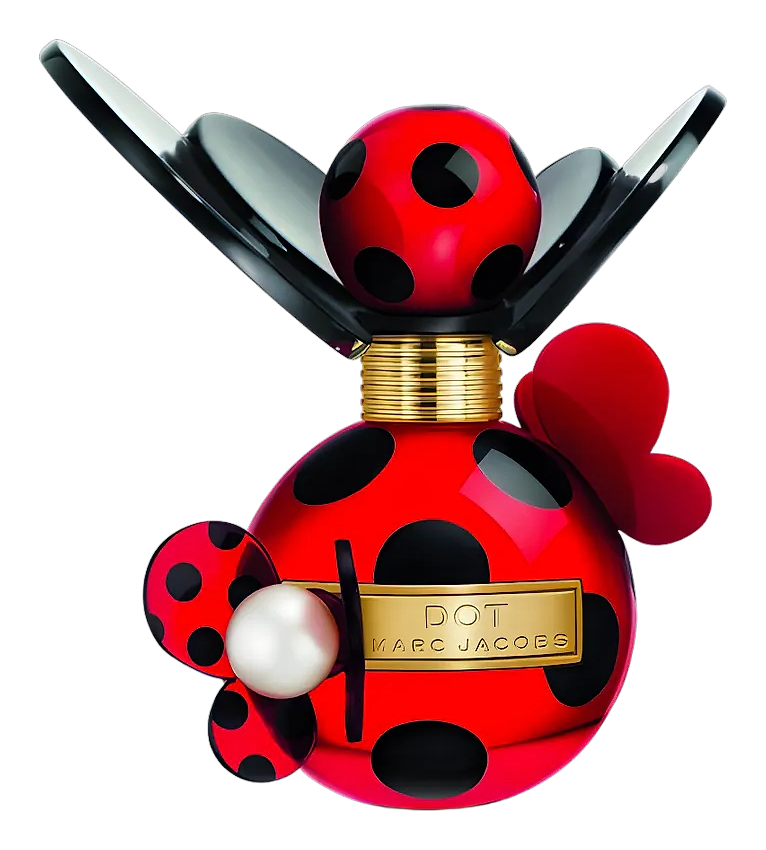
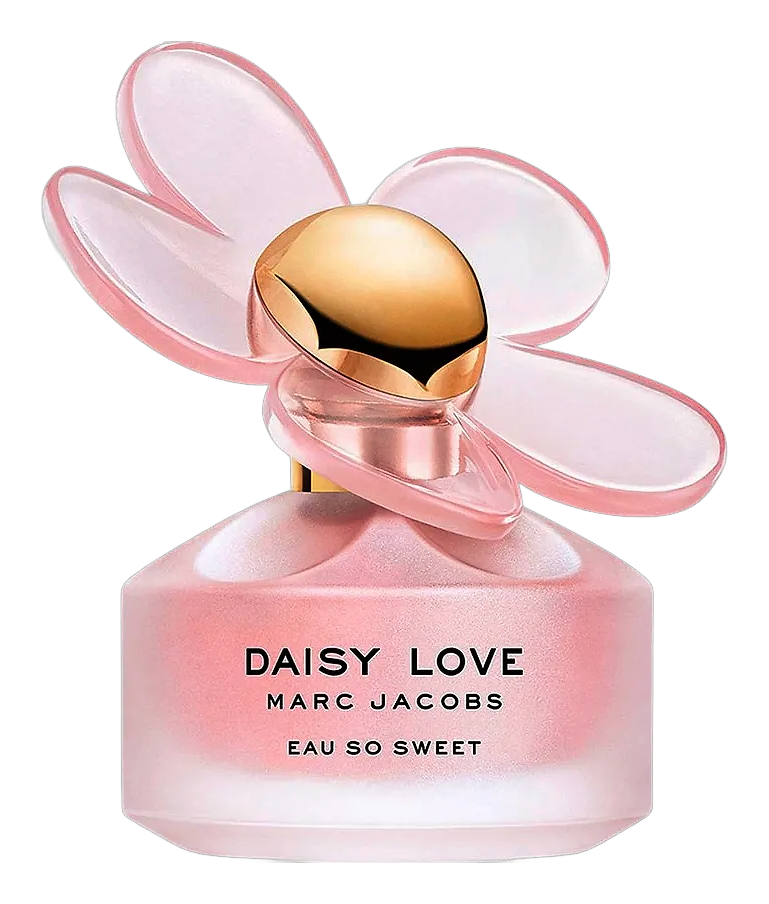
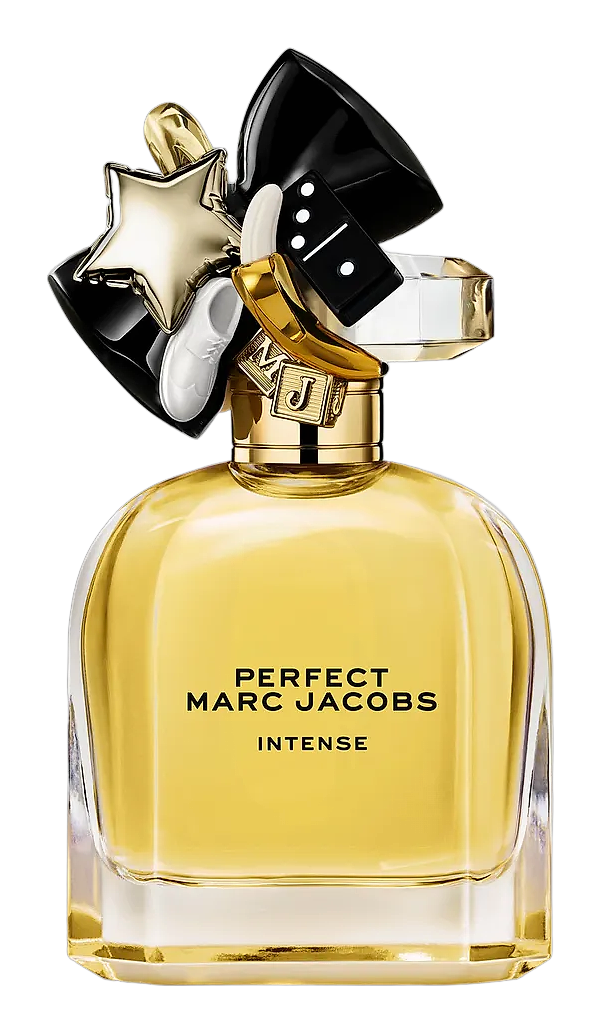
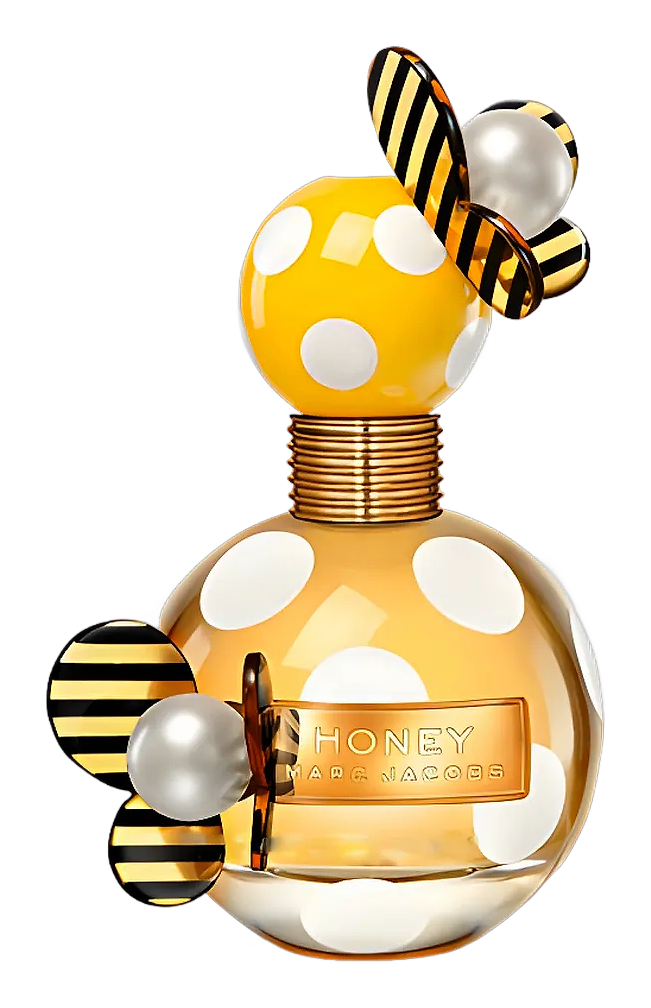
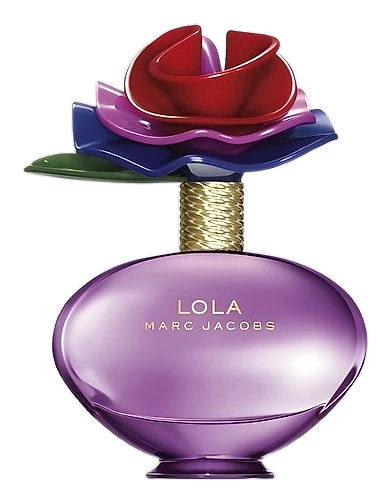
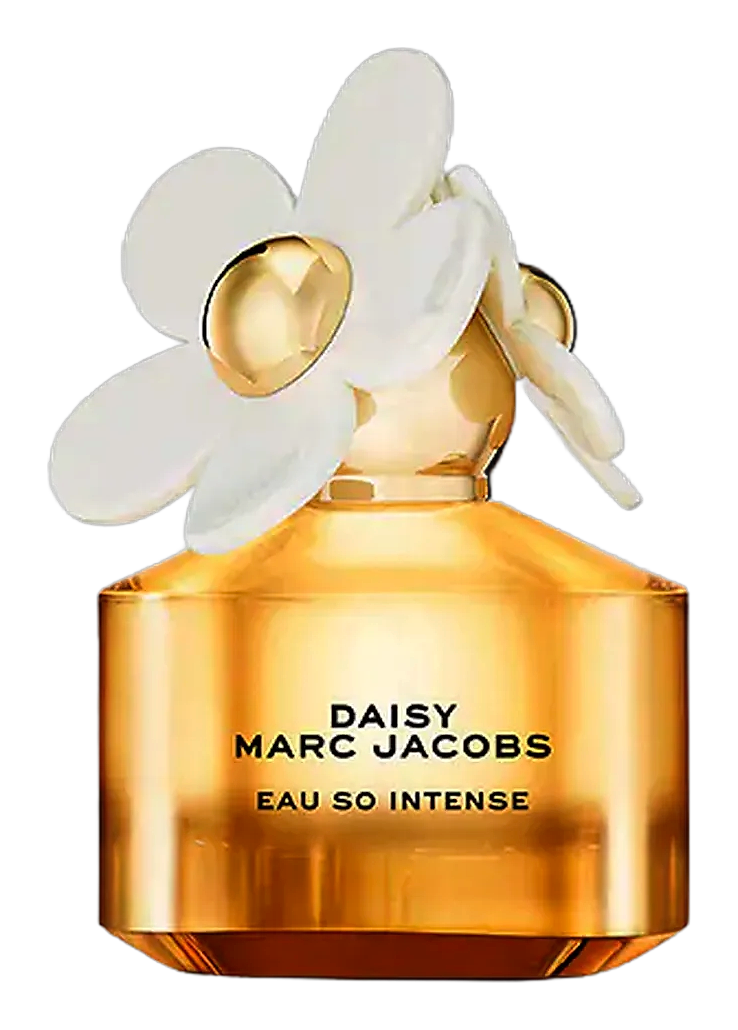
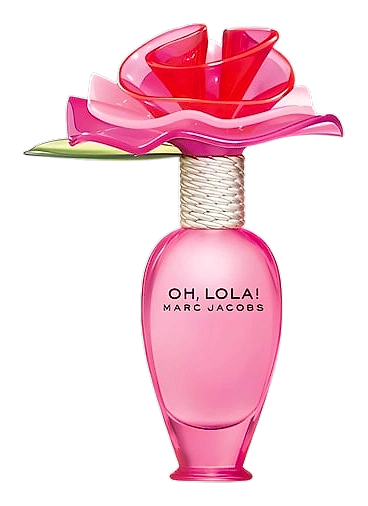
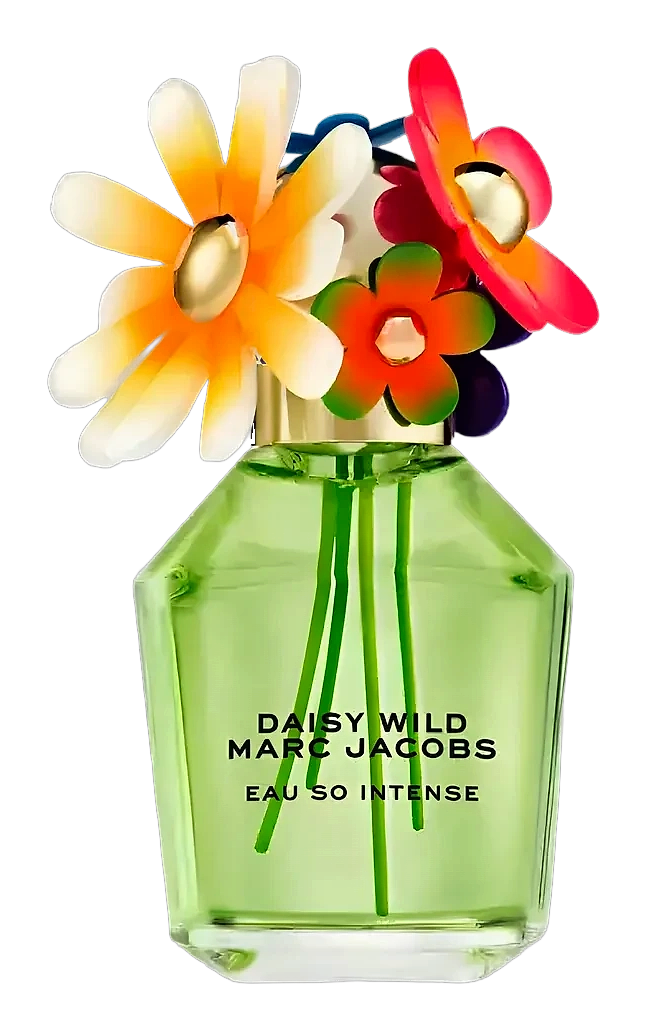
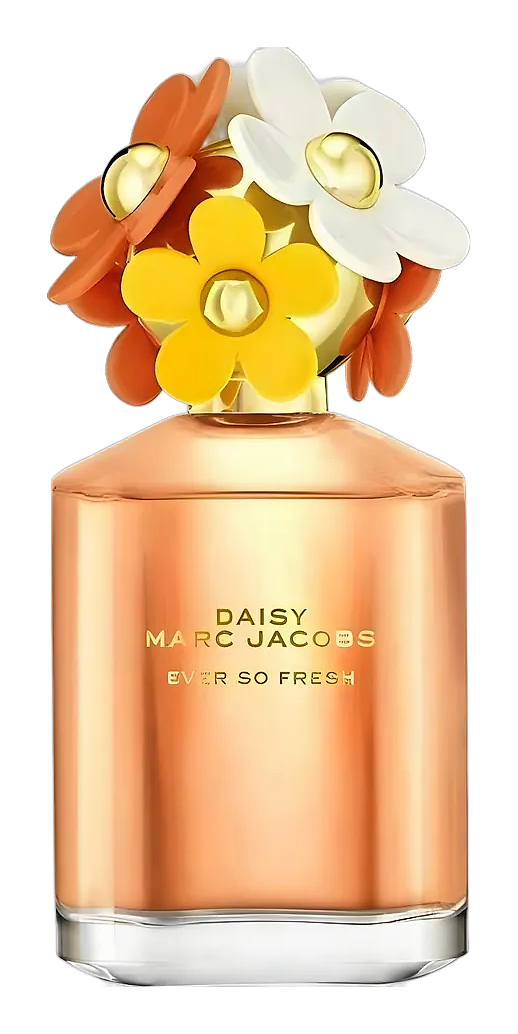
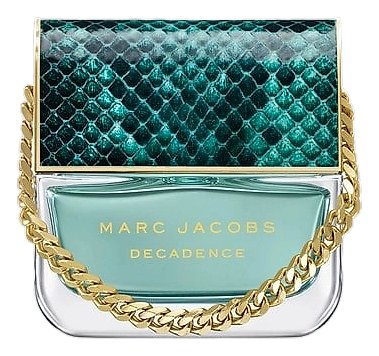
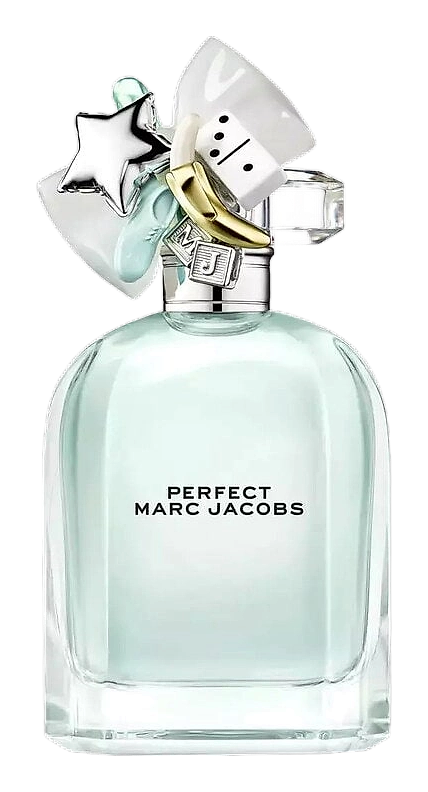
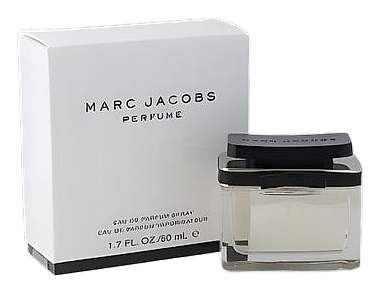
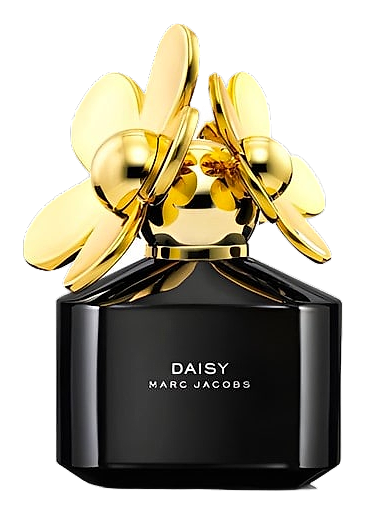
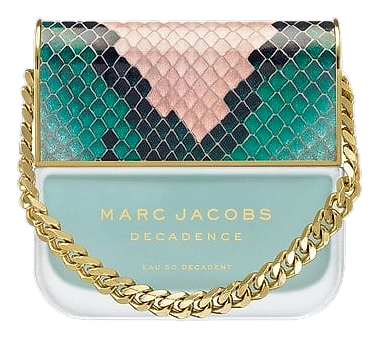
Marc JacobsMarc Jacobs fragrances, produced under license by Coty, launched in 2001 with Marc Jacobs for Women, followed by a companion men's scent in 2002. The brand has since built an extensive portfolio of fragrances anchored by signature lines including Daisy (2007), Lola (2009), Decadence (2015), and Perfect (2020). Daisy, named after Daisy Buchanan from F. Scott Fitzgerald's The Great Gatsby, quickly became a defining success for the brand, spawning numerous flankers and variations across multiple collections. The line's visual identity, with its oversized daisy cap atop a clean bottle, became one of the most recognizable silhouettes in contemporary perfumery. Decadence introduced a handbag-shaped bottle on a gold tasselled chain, a notably unconventional vessel for fragrance at the time of its launch. The brand has collaborated with a broad roster of perfumers over the years, including Annie Buzantian, Ann Gottlieb, Steve DeMercado, Loc Dong, Alberto Morillas, and Calice Becker, among many others. Marc Jacobs fragrances are available at major department stores worldwide and online.
The Creator
Yann VasnierVasnier demonstrates notable versatility across gender and genre, yet his men's work carries particular distinction—often layering richness with unexpected precision. He favors compositions where restraint serves impact, as demonstrated in the twelve-ingredient structure he fo…