The Story
Why it exists.
The beginning
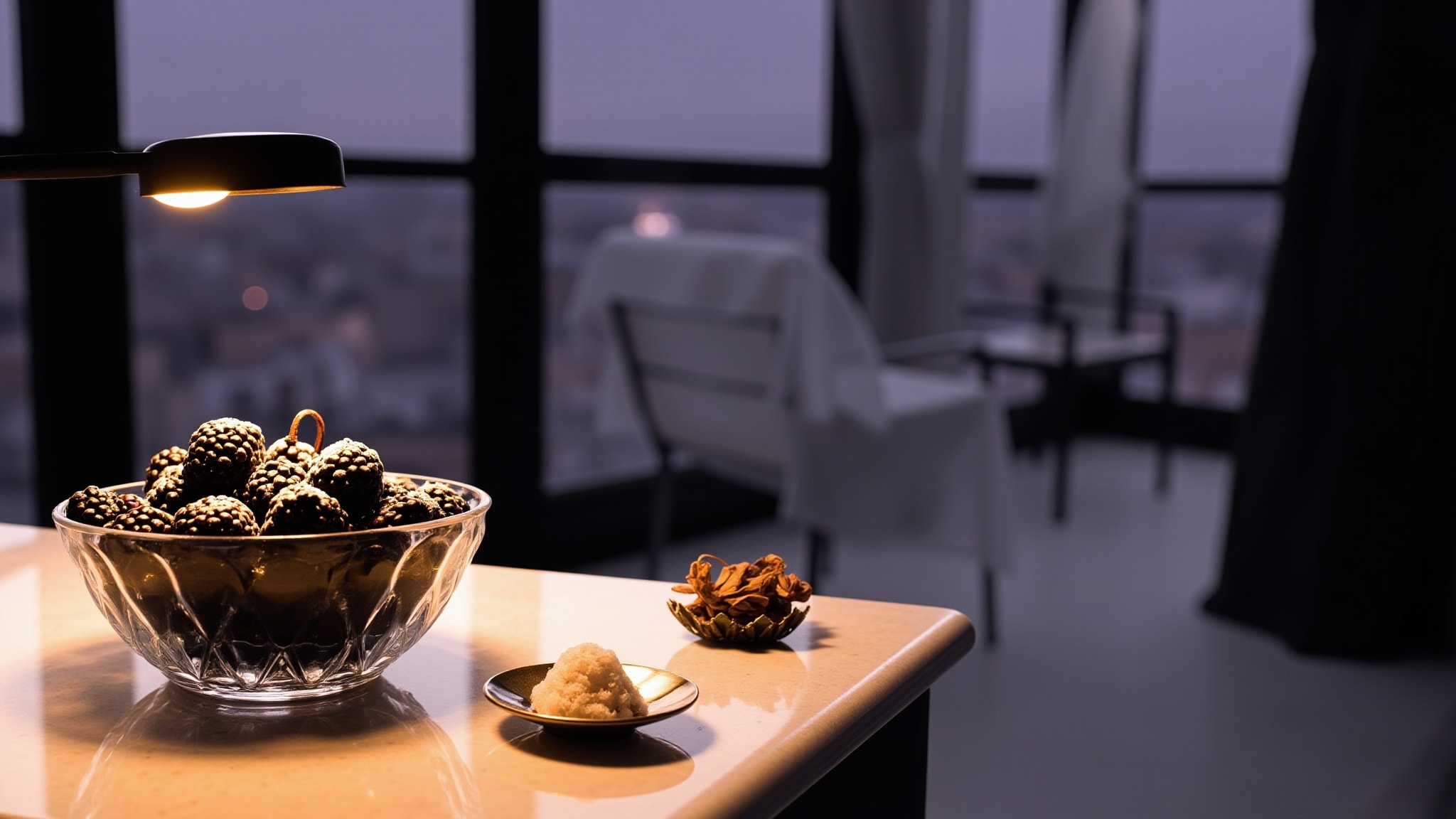
Belle de Minuit arrived in 2000 under the Les Belles de Ricci banner, the title suggesting a fragrance tuned to nightfall. Bergamot, blackberry, grapefruit, and orange open the door with a bright, almost juicy burst. The intention, communicated entirely through the juice itself, is warmth with an edge. Sweet-spicy rather than powdery or overly floral, the composition lands in an oriental register without disappearing into the background. The top accord is brisk, almost cordial-like, the citrus holding for the first few minutes before settling into something rounder. Blackberry threads through the opening, adding a dark fruit note that bridges the citrus into the warmer heart. From there, the composition curves gently downward into something cozier, a slow slide rather than a sharp turn.
What makes Belle de Minuit structurally interesting is the heliotrope-tonka pairing in the base. Heliotrope brings a powdery almond sweetness, while tonka bean adds a spiced warmth. Together with myrrh, they create the gingerbread impression reviewers consistently flag. The orange blossom and jasmine in the heart keep it from collapsing into pure gourmand. There's a floral backbone preventing the sweetness from going cloying.
The evolution
On skin, Belle de Minuit begins with a sharp burst of citrus and blackberry that reads almost like a fruit cordial poured over crushed bergamot. Within the first 20 minutes, the grapefruit and orange brightness starts to fade and the heart takes over. Heliotrope emerges first, bringing that almond-marshmallow softness, followed by orange blossom and jasmine that add a creamy floral lift without ever becoming soapy. The transition is smooth, almost gradual. By the two-hour mark, the tonka bean and myrrh have fully settled, and the fragrance shifts into its warmest register. The sandalwood grounds everything with a soft woodiness that keeps the sweetness from floating away. In the final hours, what lingers is the tonka-myrrh accord, a warm, slightly resinous sweetness that sits close to the skin.
Cultural impact
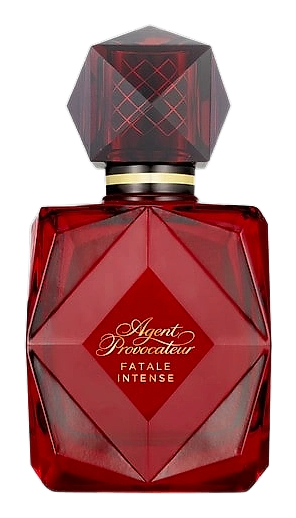
Belle de Minuit holds a place in the landscape of early-2000s orientals, a period when many houses explored warmer, sweeter compositions with pronounced gourmand edges. Its gingerbread warmth connects it to fragrances like Theorema by Fendi and Fatale Intense by Agent Provocateur, scents that shared a willingness to lean into spice and sugar. The fragrance appeals to wearers who want their scent to feel like a statement, something closer to dessert than cologne. The composition's emphasis on tonka, myrrh, and a spiced sweetness places it firmly in the oriental gourmand category, a style that defined much of the era's fragrance output.