
The Story
Why it exists.
The beginning
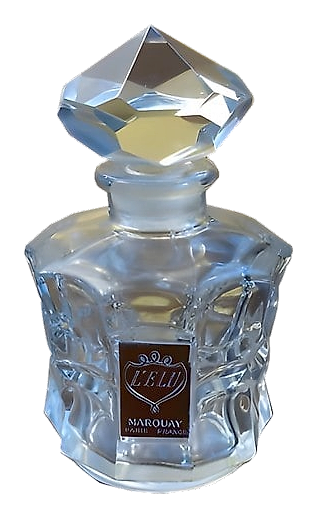
L'Élu, meaning "the chosen one," arrived in 1946 as a Marquay composition. The name itself reads as a quiet declaration. Not the loudest fragrance on the table, but the one chosen, the one that earns its place through restraint and considered construction. It's a chypre built around citrus florals and a dense mossy base, structured rather than ornamental, and that architecture is doing a lot of the talking before anything else has a chance to register. The composition sits inside a wider Marquay catalogue that also includes Traquenard and Coup de Feu, each one carrying its own distinct profile. What L'Élu offers is a particular kind of clarity, a sense that every element was placed deliberately, nothing thrown in for novelty or decoration. The fragrance rewards attention.
What makes L'Élu distinctive is its commitment to the chypre structure. The composition builds on a foundation of oakmoss, amber, labdanum, vetiver, and patchouli, a set of base notes working in concert beneath a heart of ylang-ylang, Bulgarian rose, orange blossom, orris root, and Grasse jasmine. That's not a simple floral; that's a floral with architecture. The orris root gives a powdery warmth, slightly rooty and cool at the same time. The Bulgarian rose brings density and weight, settling into the composition with a richness that grounds the brighter florals above it.
The evolution
The first thirty minutes are deceptive. Bergamot and lemon lift the opening, and a narcissus note reads green, almost vegetable-like, with the sharp scent of cut stems. It feels like a lighter composition than it actually is. Then the heart opens, and the scale shifts. Ylang-ylang arrives with a dense, buttery richness. The Bulgarian rose deepens quickly, bringing weight and a jammy sweetness. Orange blossom adds a candied softness. Grasse jasmine threads through everything with an edge that makes it feel alive rather than decorative. The composition never becomes sweet-sweet. The orris root keeps it grounded, powdery, a little serious. After the first few hours, the base fully takes over. Oakmoss arrives first, dry and earthy, the backbone of the chypre structure. Amber and labdanum warm the composition from underneath. Vetiver adds its grassy character.
Cultural impact
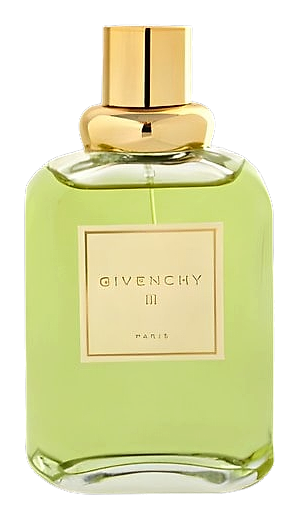
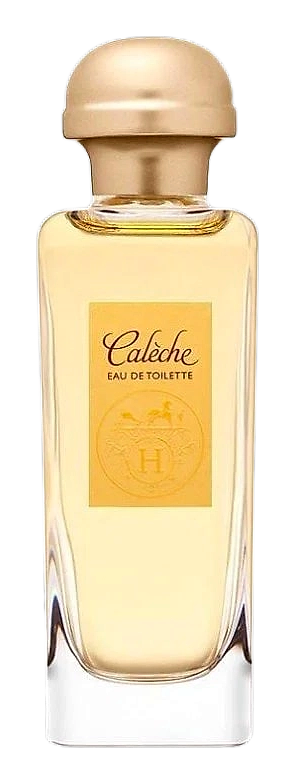
L'Élu sits in conversation with other chypres that take the structure seriously. Fragrances like Caleche, Bal à Versailles, and Givenchy III appear in similar company, compositions that build on the chypre foundation without shortcuts or compromises. L'Élu earns its place in that company through its handling of oakmoss and the way it balances that mossy backbone against florals that don't wilt under the weight. The fragrance rewards wearers who already know what a proper chypre smells like and appreciate when the materials are allowed to speak for themselves.