The Story
Why it exists.
The beginning
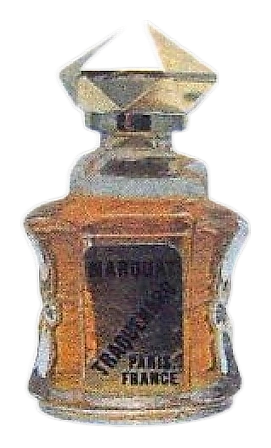
Marquay introduced Traquenard in 1950, a period when Paris was reconstructing its cultural identity after years of occupation and hardship. The name means trap in French slang, chosen deliberately to evoke the idea of a fleeting moment that catches you unawares. The composition was designed to capture the atmosphere of Saint-Germain-des-Pres smoky cafes and the intellectual fervor that would define the decade. Rather than following the conventional structure of the era, Marquay created a fragrance that opens directly into its heart, as if the first chapter of a story has been deliberately omitted. The perfumer worked with a clear vision: to create something that feels both immediate and timeless, a scent that announces itself without apology and lingers with quiet insistence. Bergamot, lemon, and neroli form the foundation of this vision, their citrus brightness tempered by the deeper florals that follow.
The decision to omit traditional top and base notes reflects Marquay philosophy of directness. The heart notes were selected not only for their individual beauty but for their ability to create a complete olfactory experience without the theatrical progression typical of the era. Bergamot and lemon provide the necessary brightness, while rose, neroli, and orange blossom offer depth and sweetness. Geranium adds the green, almost garden-like quality that prevents the composition from becoming overly sweet, while violet brings the powdery, vintage character that distinguishes Traquenard from more contemporary floral compositions. Carnation, used sparingly, provides just enough spice to keep the florals grounded.
The evolution
The evolution of Traquenard follows an unconventional path, beginning where most fragrances reach their peak. Within the first minutes, bergamot and lemon assert themselves with clean, soapy clarity, quickly joined by the delicate white florals of neroli and orange blossom. These notes create an opening that feels both fresh and nostalgic, a bridge between the aldehydic florals of the 1940s and the more streamlined compositions that would follow. Within the first hour, rose and geranium emerge to deepen the composition, their green, slightly medicinal character providing contrast to the bright citrus. Carnation appears next, its clove-like spice adding dimension without overwhelming the florals. Violet joins the composition as a persistent powdery thread, connecting the various floral elements into a cohesive whole. The citrus notes never fully disappear but rather integrate into the floral heart, creating a continuous evolution that maintains the initial freshness throughout the wear.
Cultural impact
Since its 1950 debut, Traquenard has become a subtle cultural marker of post‑war optimism in Parisian society. Its bright bergamot and neroli opening captured the era’s desire for renewal, while the amber‑woody base resonated with the growing appreciation for sophisticated, long‑lasting scents. Over the decades, collectors have cited the fragrance as a nostalgic reference point in vintage fashion exhibitions, and its presence in classic cinema scenes has reinforced its association with mid‑century elegance, influencing subsequent generations of perfumers who seek to balance citrus freshness with warm depth.