


Heritage
A house, in its own words
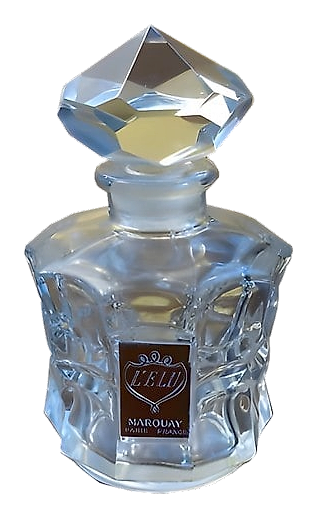
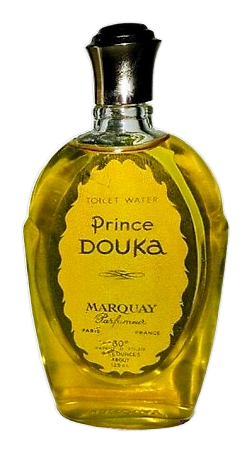
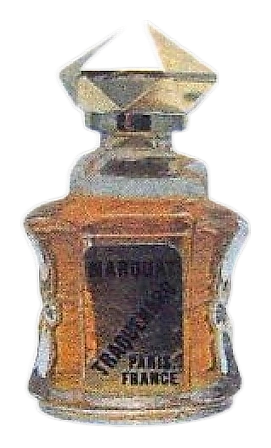
The house of Marquay opened its doors in 1946, a year after the end of World War II, when Paris was rebuilding its artistic identity. The founder, whose surname has not been widely recorded, chose the name Marquay after a modest commune in the Loire‑Atlantique region, hoping the brand would embody the same grounded elegance. The first fragrance, L’Élu, arrived that same year and quickly earned a place in Parisian salons; contemporary press noted its balanced blend of citrus and soft florals, a departure from the heavier wartime scents. By 1950, Marquay introduced Traquenard, a composition that combined amber, leather, and a hint of tobacco, echoing the smoky cafés of the Saint‑Germain district. The following year, Prince Douka, originally formulated in 1927 by an earlier, unrelated perfumer, was acquired and re‑issued under the Marquay label, giving the house a link to pre‑war perfume heritage. In 1957, Coup de Feu arrived, inspired by the burgeoning rock‑and‑roll culture; its bright pepper and ginger top notes were described in a 1958 French style magazine as “a spark of youthful energy”. Throughout the 1960s and 1970s, Marquay maintained a low‑key production model, focusing on limited runs for select Parisian boutiques rather than mass distribution. The 1990s saw a modest revival when a new generation of collectors rediscovered the brand’s vintage bottles at auction, prompting the house to re‑release several classics with updated packaging. In 2015, Marquay partnered with a small cooperative in Grasse to source organically grown jasmine, marking its first explicit commitment to sustainable ingredient sourcing. Today, the house continues to operate from a historic atelier on Rue du Faubourg Saint‑Honoré, preserving its original workshop layout while integrating modern quality controls. The continuity of location, combined with a catalog that spans more than seven decades, gives Marquay a rare sense of temporal depth in the niche perfume landscape. Marquay’s creative outlook centers on the idea that fragrance should act as a quiet narrative rather than a bold proclamation. The house believes that a perfume’s power lies in its ability to evoke a specific memory or place, a principle that guides every new launch. Rather than chasing trends, Marquay selects raw materials that have a clear provenance, allowing the scent to tell a story rooted in geography and history. The brand’s values include discretion, craftsmanship, and a respect for the natural character of each ingredient. In practice, this means that the perfumers—though not publicly named—work closely with the sourcing team to understand the terroir of each flower or resin before translating it into an olfactory formula. Marquay also emphasizes longevity, designing compositions that evolve gracefully on the skin over several hours, a trait that aligns with the house’s belief in perfume as a companion through the day. Sustainability entered the philosophy in the mid‑2010s, when the house adopted a policy of sourcing at least 30 % of its botanical extracts from certified organic farms. This shift was motivated by a desire to protect the ecosystems that supply the raw materials, rather than by market pressure. Finally, Marquay maintains a modest public presence, preferring intimate launch events in historic Parisian venues where the scent can be experienced in a setting that mirrors its narrative intent.