The Story
Why it exists.
The beginning
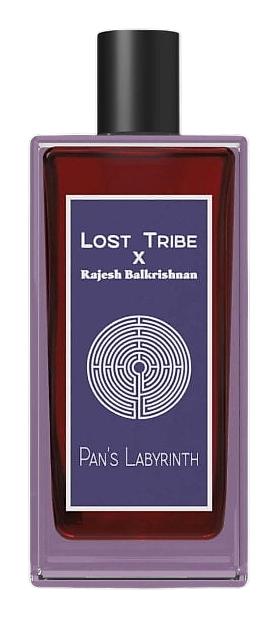
Pan's Labyrinth arrived in 2025, signed by perfumer Rajesh Balkrishnan, under the Lost Tribe banner. The name borrows from Guillermo del Toro's 2006 film, a story where innocence and dread share the same skin, and where the boundary between a child's fairy tale and a war-torn reality is thin enough to walk through. That duality is the brief. The fragrance asks the nose to sit inside a fairytale that refuses to behave like one. The fougère structure gets pulled sideways into something powdery, almost edible, while the base refuses to stay polite. Bitter almond and a soft dust of powder lead the charge before lavender and coumarin bring the crisp backbone of a traditional fougère into focus. Rose otto and rose absolute sweeten the heart, a touch of ylang-ylang humming underneath.
What makes the composition unusual is the friction between its registers. Bitter almond and powder open the door with something almost edible, then lavender and coumarin arrive with the clean lines of a classical fougère. Rose otto and rose absolute sweeten the heart without tipping it feminine. The base is where the film's other register lives: Malayan oud, Sri Lankan sandalwood, bakhoor incense, French oakmoss, labdanum, Siberian musk. That bottom layer carries enough density to keep the powder from dissolving into nostalgia.
The evolution
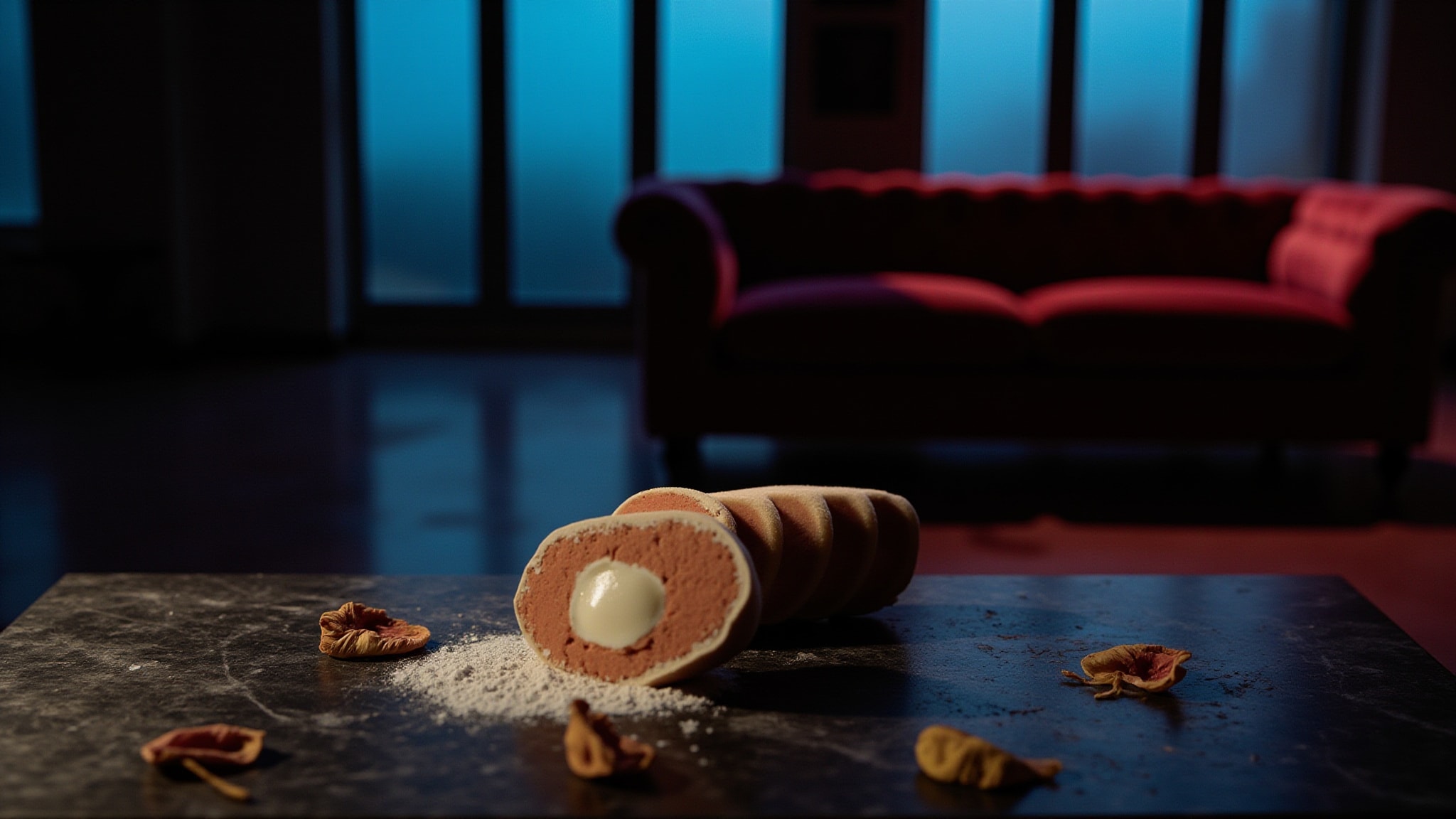
The opening belongs to bitter almond and powder, with bergamot and rose otto threading through like light through a sheer curtain. It reads as soft, almost edible, closer to marzipan than to anything fougère-adjacent. The rose absolute and lavender settle in as the composition warms against skin, and the coumarin starts to soften the edges. Ylang-ylang and patchouli add a low hum underneath, the kind of warmth you feel before you identify it. Eventually the powder recedes and the base takes over. The Malayan oud arrives quietly, never loud, never medicinal, just present. Bakhoor and Sri Lankan sandalwood trade places through the middle stretch, incense flickering in and out. The French oakmoss and labdanum anchor everything with a cool, resinous gravity that keeps the composition grounded. The musk does what musk is supposed to do: it clings.
Cultural impact
Pan's Labyrinth draws on Guillermo del Toro's 2006 film, borrowing its title and its central tension between innocence and violence. That reference gives the fragrance a recognizable anchor outside the usual perfume conversation, connecting it to a film culture that prizes dark fairy tales and visual storytelling. The composition itself reads as a modern take on fougère, pulling the classic shirting structure sideways with powdery almonds, bakhoor, and Malayan oud. The bakhoor and oud in the base tie it to the contemporary appetite for resinous, incense-driven scents, while the lavender and coumarin keep it tethered to European tradition.